
Soberanía National Park
Panama · Americas
About Soberanía National Park
Soberanía National Park is a protected area of tropical forest in the provinces of Panama City and Colón in Panama.
Soberanía National Park travel guide
Understand
Soberanía National Park is a protected area located in the central region of Panama, about 25 km from Panama City, next to the Panama Canal. It was established in 1980 with the purpose of conserving local biodiversity and promoting the sustainable use of natural resources.
The park covers approximately 19,545 hectares of tropical forest, and forms part of the Panama Canal's ecological corridor. Its strategic location contributes to the connectivity between terrestrial and aquatic ecosystems, making it a key area for wildlife conservation in the region.
History Within the park lies the historic Camino de Cruces, a colonial trail used during the 16th and 17th centuries to transport goods and people across the Isthmus of Panama, linking the Atlantic and Pacific Oceans. This adds significant cultural and historical value to the park, complementing its ecological importance. Today, the park preserves both its natural ecosystems and a notable part of Panama’s colonial heritage. The camino, as well as Fort Lorezo at its Atlantic end and Panama's old town (Casco Viejo) and the even older abandoned Panamá Viejo form the UNESCO World Heritage Site "The Colonial Transisthmian Route of Panamá".
Flora and fauna
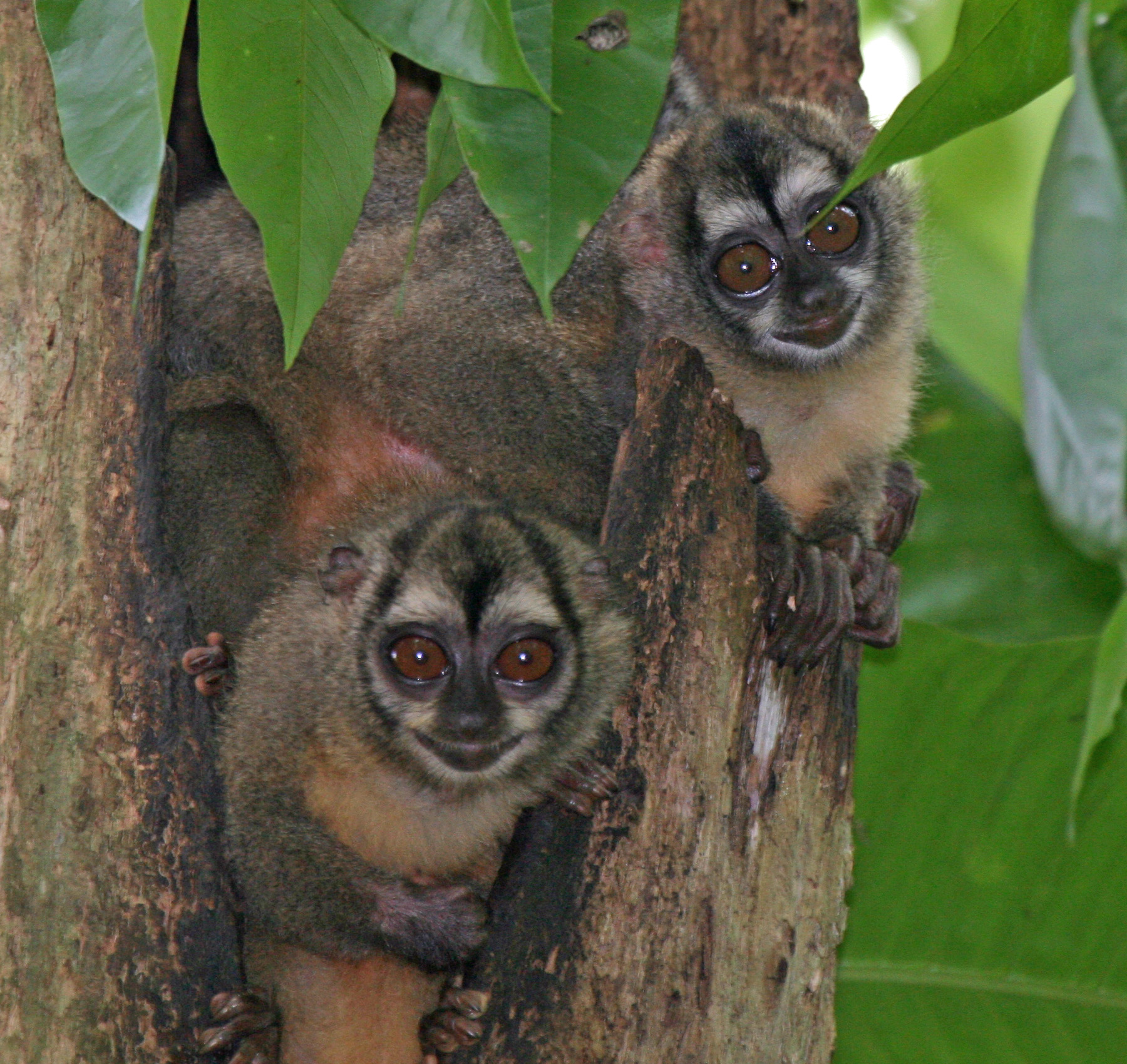
Soberanía National Park protects a significant expanse of tropical humid forest on the Isthmus of Panama. This ecosystem is characterized by high annual rainfall, consistently warm temperatures, and elevated relative humidity—all of which contribute to exceptional biodiversity. The park’s vegetation is dense and layered, with both mature forest and areas of regenerating secondary growth. Notable tree species include Espavé (Anacardium excelsum), Cuipo (Cavanillesia platanifolia), Almendro (Dipteryx oleifera), and Cedro Espino (Bombacopsis quinata). Ferns, vines, epiphytes, and orchids are also commonly found. The park is especially well known for its bird diversity. More than 525 species have been recorded, making Soberanía one of the top birdwatching destination
Getting there
By car From Panama City, the park can be reached via Omar Torrijos Road heading toward Gamboa. Depending on the trail you plan to visit, you can either stay on this road or take the Madden Road turnoff. The drive takes about 30 minutes and covers approximately 25 km. Signage along the route is clear and directs visitors to both the park’s administrative office and the parking areas near the main trails.
By bus From the Albrook bus terminal: Buses to Gamboa stop in front of the park's administrative center (approximately 1 hour). Check return times in advance, as service is limited in the afternoon. To use public transportation, you must have a Rapipass or MiBus card, which costs $2.00. It is also recommended to top up your ticket with at least $2.00 to cover the fare and avoid inconveniences during your trip.
Getting around
Marked trails allow for exploration on foot or by bike. It is advisable to carry water, wear sturdy footwear, and avoid leaving trash behind, as there are no bins inside the park.
See
The park has several marked trails that can be explored on foot or by bicycle:
Pipeline Road: A 17-km trail renowned for its high concentration of bird species. Camino Real de Cruces: An old colonial path used since the 16th century to transport goods. Camino de Cruces: A 10.8-km historic route that was part of the colonial-era transit system. El Charco Trail: A short route with natural pools, ideal for family visits. Spirit of the Forest Trail: A brief educational and interpretive trail. Plantation Road: Features secondary forest and highlights the area's agricultural history.
Do
Trails in Camino de Cruces National Park
Capricorn Trail – Ideal for spotting monkeys and sloths. El Mirador Trail – Offers panoramic views. Park Rangers’ Trail – Follows the edge of lakes and protected areas. Cárdenas Ruins Trail – Features historical remains. Camarón Trail – Excellent for birdwatching. Camino de Cruces Trail – Connects with historic colonial routes. Cycle Route – A shared route with Soberanía National Park. The most common activities include hiking, birdwatching, cycling, nature photography, and guided tours.
Eat
There are no food services or shops inside the park, so you should bring drinking water and light snacks for your visit. It’s essential not to leave any trash behind—carry out all waste you generate, as there are no bins along the trails. However, just outside the park, especially in Gamboa and Summit, you’ll find restaurants and small shops where you can eat before or after your hike.
Sleep
For overnight stays, you can choose the Gamboa Rainforest Resort or the Summit Rainforest & Golf Resort, both surrounded by nature. Alternatively, accommodations are available in Panama City, which is located a short distance from Soberanía National Park.
Go next
Gamboa Summit Municipal Park Panama national parks
Overview adapted from Wikipedia, travel guide fromWikivoyage (CC BY-SA). Photography via Wikimedia Commons.