
Shabqadar
Pakistan · Asia
About Shabqadar
Khyber Pakhtunkhwa (abbreviated KP or KPK), borders the rest of Pakistan to the south and east, central Afghanistan to the west, and the Wakhan Corridor to the north.
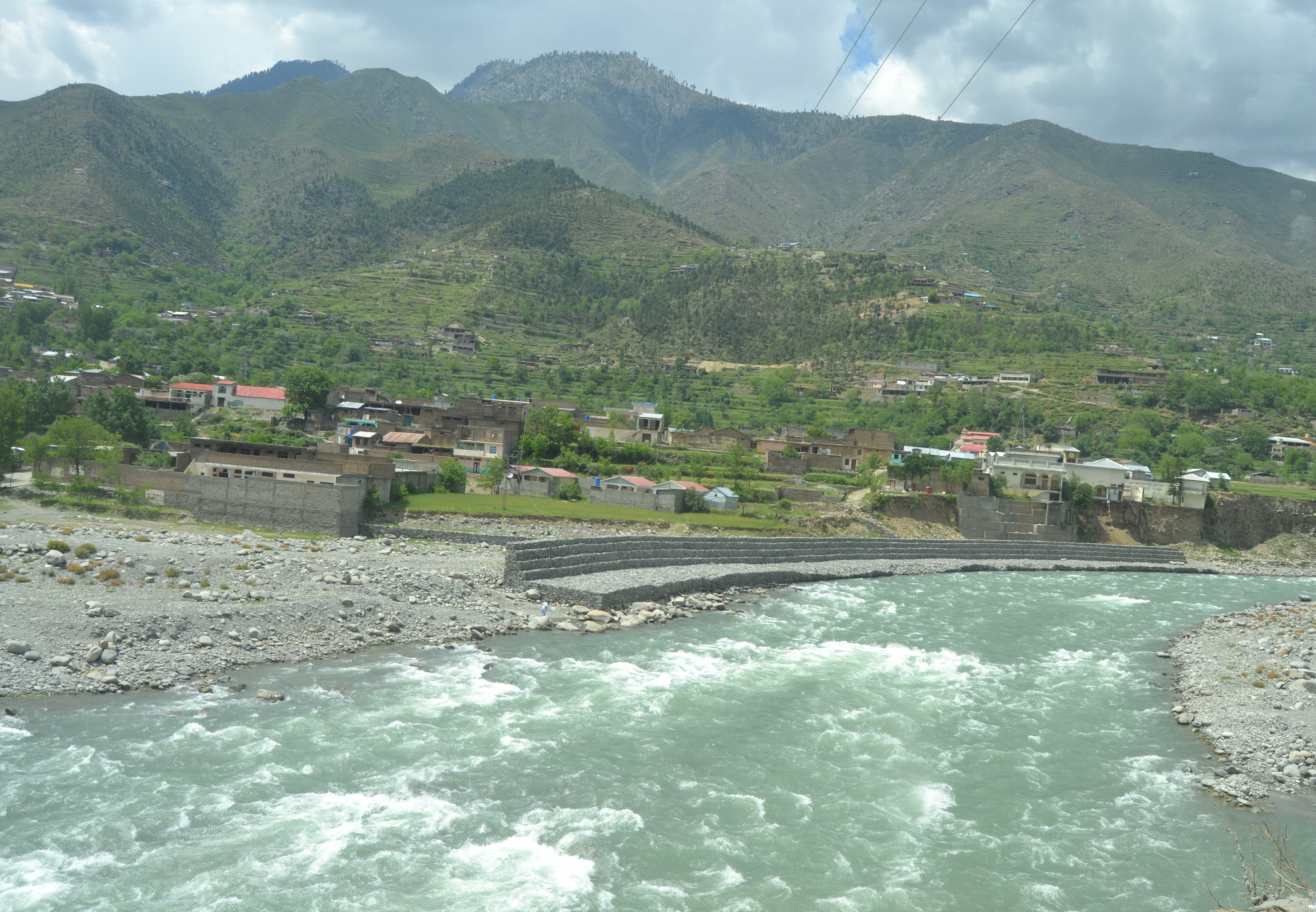
The region has a varied landscape including rugged mountains, valleys, hills and dense agricultural farms. There are a number of Buddhist archaeological sites from the Gandharan civilisation such as Takht Bhai and Pushkalavati. There are a number of other Buddhist and Hindu archaeological sites including Bala Hisar Fort, Butkara Stupa, Kanishka stupa, Chakdara, Panjkora Valley and Sehri Bahlol.
The region has had other names. In the era of the British Raj, it was generally called the Northwest Frontier. After Pakistan's independence, much of it was known as the Federally Administered Tribal Areas, FATA. On maps, it was part of the Raj and is now part of Pakistan, but neither Britain nor Pakistan has ever fully controlled the area; the local Pashtun tribal chiefs remain very influential.
Shabqadar travel guide
Understand
In the era of the British Raj, this region was known as the Northwest Frontier and the British called its Pashto-speaking people Pathans; today we would say Pushtuns. It was both a perennial trouble spot and the source of many fine recruits for the empire's forces; there were whole regiments of Pathan irregular cavalry. Today there are many Pushtuns in Pakistan's military. For decades after Pakistan's independence in 1947, the region was divided into the Northwest Frontier Province and the Federally Administered Tribal Areas (FATA), then in 2018 they were merged into a single administrative unit, today's Khyber Pakhtunkhwa. Khyber Pakhtunkhwa offers invitation to a spectacular landscape and cultural diversity. Peshawar is the business and administrative hub of the province though other cities have their places. Some of the tourist’s hotspots include Khyber pass, old interior city, industrial estate famous for smuggled goods, Islamia College, Peshawar fort, (KisaKhawani) story teller bazaar. Its food street is famous for barbecued mutton as well as karahi meat. There are very amenable people in this area, especially in the mountains in Shandoor and Kalash regions.
Getting there
Areas of Khyber Pakhtunkhwa can be dangerous to for travel. Peshawar’s urban environment or more touristed destinations like Chitral or Swat Valley are generally safer, as opposed to rural areas and those on the border with Afghanistan. Unless traveling to one of these areas of high security concern, it is no longer required to obtain a No Objection Certificate. However, the Khyber Pakhtunkhwa Tourism Authority provides an online registration form. It is strongly recommended to fill this out prior to entering the province.
By plane Peshawar International Airport (PEW IATA) is in the centre of Peshawar. It is served by all Pakistan carriers including national flag carrier PIA. Moreover, many Middle East airlines also serve this airport, such as Emirates, Etihad, Gulf, Kuwait and Qatar airlines. Peshawar airport has international direct flights from Al Ain, Bahrain, Dubai, Abu Dhabi, Doha, Jeddah, Kabul, Muscat, Kuwait and Riyadh. The connections from other Asian, European and American cities are available via Lahore, Karachi and Islamabad airports. The domestic flights to/from Peshawar Airport are Chitral, Islamabad, Karachi and Lahore. Chitral Airport (CJL IATA) from Islamabad and Peshawar.
By bus Buses and minibuses run from many parts of the country from here. Daewoo operates the most luxurious services to Rawalpindi, Islamabad, Multan, Faisalabad, Abbottabad and Lahore (Rs 600; 6½ hours).
By car Peshawar is connected with Islamabad via Motorway M-1 and via national highway N-5.
By train You can reach Peshawar by train with Pak Rail from Karachi (36 hours) and Quetta (25 hours), both go via Lahore and Rawalpindi.
There are no passenger trains from Landi Kotal in the Khyber Pass.
See
Ruins of Takht-i-Bahi in Mardan Ruins of Sahr-i-Bahlol Bala Hisar Fort in Peshawar Burj Hari Singh - Sikh fort founded by Sikh General Sardar Hari Singh Nalwa (no longer exists) Panch Tirath – An ancient Hindu site now converted into a park The Sikh Temple at Jogan Shah Gor Khuttree – An ancient site of Buddha's alms or begging bowl in Peshawar. Headquarter of Syed Ahmad Shaheed, Governor Avitabile Pakhtu Academy – The site of an ancient Buddhist University Shah Ji Ki Dheri Chowk Yadgar Ghanta Ghar – clock tower in Peshawar Avitabile's Pavilion Victoria Memorial Hall
Do
In the summertime hiking tours to the mountains are offered. Ask at Green Tours in front of the Greens Hotel, Peshawar Cantt, and Pearl Tours of the Pearl Continental Hotels. This can also be done by hiring a car, jeep or pickup from local car rental agencies. The region is home to Pakistan's oldest 1 ski resort near Malam Jabba, albeit modest in size with only 2 pistes.
Eat
Chappal Kabab, a beef kebab shaped like the sole of a sandal is most famous dish of Peshawar. Several famous kabab selling shops are around. Information about them can be obtained from the travel agents or local hotels and guides. The restaurants in Namak Mandi serve marvellous tikka and karai. Meat is ordered by the kilogram, and then prepared according to your preference, either as tikka (barbecued) or as karai (an oil-rich stew with tomato and chili). Faluda, a sweet dish mainly found on the Peshawar markets and bazaars especially Qisa-Khwani Bazaar.
Drink & nightlife
Peshawar is known for its Kawa (Green Tea) which has a unique flavour, and is usually served sweet. Sharbat-e-Sandal is a sweet, non-carbonated drink unusually found in markets in summer. It has a good taste and a yellowish-green transparent colour - look out for the black seeds. Served ice cold.
Overview adapted from Wikipedia, travel guide fromWikivoyage (CC BY-SA). Photography via Wikimedia Commons.