
Sepik
Papua New Guinea · Oceania
About Sepik
The Sepik is a region of Papua New Guinea, consisting of two provinces, East Sepik and West Sepik.
Sepik travel guide
Getting there
Air Niugini has daily flights to Wewak and regular flights to Vanimo from PNG's capital Port Moresby, Nadzab (Lae) and Madang. [1] PNG Air connects Wewak with Mt. Hagen in the Highlands and with Madang.
Getting around
The provinces depend heavily on Mission Air Fellowship (MAF), which operates twelve planes throughout PNG both supplying mission stations and supporting local communities.[2] It is sometimes possible for tourists to fly with MAF.
See
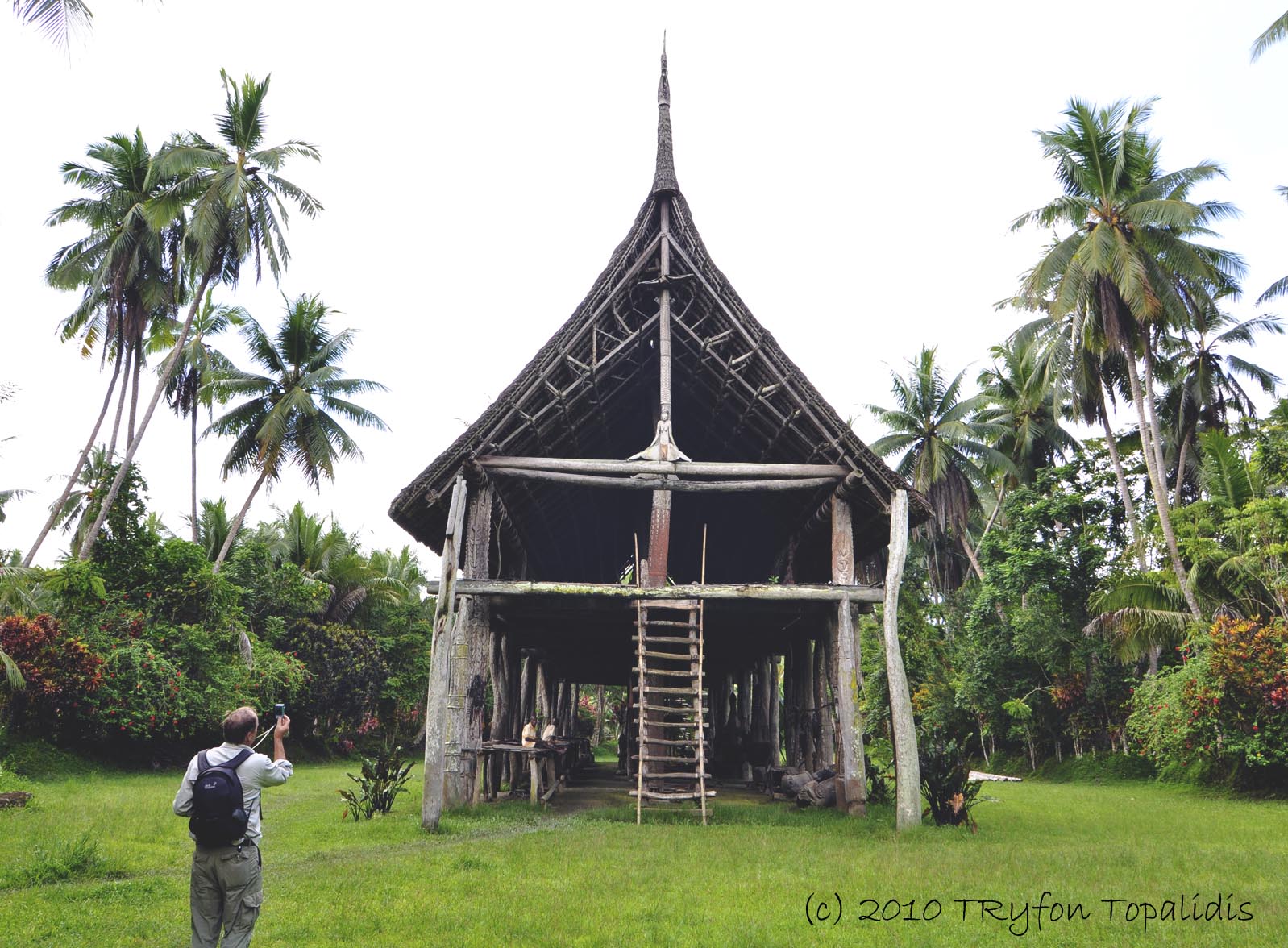
A Haus Tambaran. The best examples of these are around the Maprik area of East Sepik. The male-dominated tambaran culture uses the haus tambaran as a meeting-house and site for rituals and initiations, as well as for worship for the yam cult, the yam being the staple food for the Sepik people. A giant spirit is personified as noises that can be heard coming from the haus tambaran. Haus tambarans contain many paintings. Their preparation is a sacred activity for the Sepik people, and the paintings are taken very seriously.
Do
Travel along the Sepik River. This is Papua New Guinea's Amazon and is navigable for most of its length. It is full of amazing birds and wildlife, including a good number of crocodiles. Despite the enormous amount of water, the river flows slowly with little height to lose between when it emerges from the mountains and reaches the sea. It frequently backtracks to form lagoons, small lakes and swamps. The traditional culture is fascinating and each village seems to have its particular style of artistic expression. The villages of Angoram, Pagwi and Timbunke are the only ones on the river accessible by road, from Wewak. Dugout canoe trips up the river are offered by Diversion Dive Travel. For greater comfort, the same company also offers riverboat cruises. Boat cruises are also available from Melanesian Tourist Services. Larger vessels generally have to travel in the wet season, when the water level rises significantly, usually peaking around the time of Easter. Major floods are fairly common (about once every ten years) and, while the people have learned to adapt to them, cholera and dysentery can occur.
Eat
Yam. This root crop is central to the culture of the Sepik area and farmers compete to see who can produce the largest yams. There is considerable ritual attached to the planting and cultivation of yams, involving strict rules of diet, sexual abstinence and ritual cleansing. Sago. This flour-like substance is harvested from the pulp of a Sago tree. It is mixed with water and then either steamed or fried into a pancake-like dish. Sago is a strong element of Sepik culture and witnessing a Sago tree being harvested is well worth the walk into the swamp. If you're really brave, you can try eating one of the giant Sago Grubs that live in the tree.
Overview adapted from Wikipedia, travel guide fromWikivoyage (CC BY-SA). Photography via Wikimedia Commons.