
Regional Municipality of Wood Buffalo
Canada · Americas
About Regional Municipality of Wood Buffalo
Wood Buffalo is a region that covers the entire northeastern quadrant of Alberta, Canada. The entire region is drained by the Athabasca River, a major river that goes on to empty into the world's largest inland delta inside Wood Buffalo National Park.
Regional Municipality of Wood Buffalo travel guide
Understand
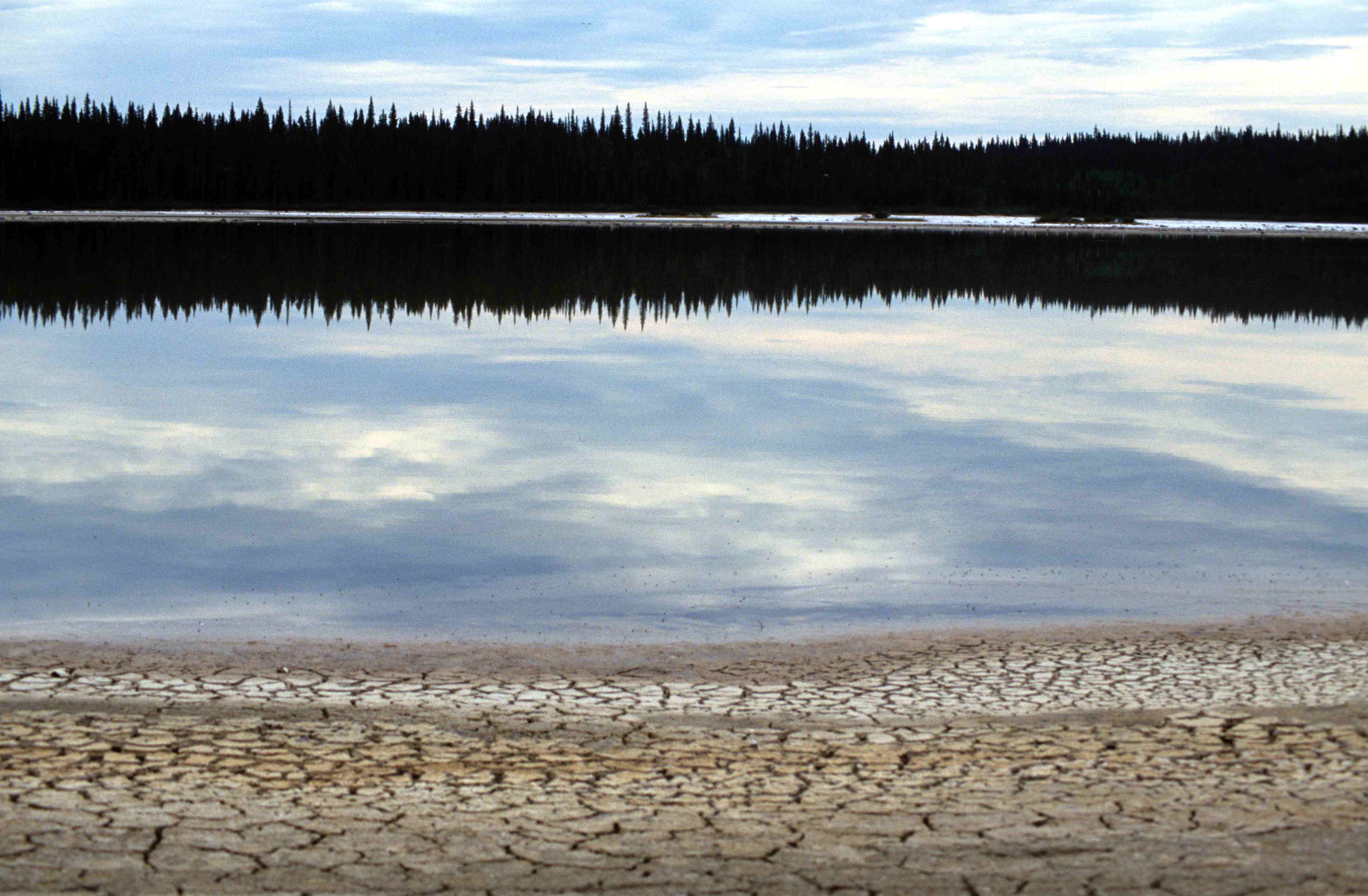
This region is primarily is part of the sparsely populated boreal forest. The world famous (or infamous) Athabasca Oilsands (aka the "tar sands"; a term that is locally viewed with negative connotations) are located here.
History The region was first populated by indigenous peoples. The Chipewyan people (who are part of the Dene or Athapascan language family) lived here at the beginnings of European contact (early 1700s), but were soon joined by the Cree people (from the Algonquian language family) from the east. Both peoples were nomadic and hunted bison (aka "buffalo") on the plains and moose (aka "elk") in the forests and also harvested with many smaller game animals, fish, berries, roots, and so on. The Athabasca oil sands were known to the indigenous peoples and the surface deposits were used to waterproof their canoes. During the fur trade, the location of Fort McMurray was an important junction on the fur trade route from eastern Canada to the Athabasca country. In 1778, the first European explorer, Peter Pond, came to the region in search of furs, as the European demand for this commodity at the time was strong. Pond explored the region farther south along the Athabasca River and the Clearwater River, but chose to set up a trading post much farther north by the Athabasca River near Lake Athabasca. However, his post closed in 1788 in favour of Fort Chipewyan, now the oldest continuous settlement in Alberta. In 1790, the explorer Alexander MacKenzie made the first recorded description of the oil sands. By that time, trading between the explorers and the Cree was already occurring at the confluence of the Clearwater and Athabasca Rivers. The Hudson's Bay Company and the North West Company were in fierce competition in this region. Fort McMurray was established there as a Hudson's Bay Company post by 1870, named for the Chief Factor William McMurray. It continued to operate as a transportation stopover in the decades afterwards.
Oil exploration is known to h
Getting there
By plane The main airport for the region is Fort McMurray Airport (YMM IATA) with service to Edmonton and Calgary, as well as connections to a variety of places across Canada (and sometimes to the USA) but the list grows and shrinks rapidly depending on the state of the oil industry. Alternatively, Fort Chipewyan Airport (YPY IATA) has connections to Edmonton, Fort McMurray, and Fort Smith.
By bus
By car If you're driving, take Highway 28 from Edmonton, and then transfer to Highway 63. Travel distance is about 450 km (280 mi) northeast of Edmonton. Highway 63 has become notorious for vehicle accidents, although it has become safer since being twinned in 2015.
Getting around
Wood Buffalo Transit operates a few rural bus routes to communities near Fort McMurray, but otherwise there are no intercity bus services, and a private vehicle is a must. Fort Chipewyan and Wood Buffalo National Park are only accessible overland via seasonal ice roads; however, it is possible to reach Fort Chipewyan from Fort McKay in summer by boating the Athabasca River.
See
There plenty of wilderness and wildlife to see, as well as the aurora borealis or "Northern Lights" in the winter. The Oil Sands Discovery Centre in Fort McMurray showcases the history of the oil sands and the rapid pace of development north of the city, and includes exhibits of machines used to process the oil and opportunities to see how oil sand is mined and converted into product. The Fort McMurray Heritage Village has a collection of buildings, some dating back a century.
Do
Fishing, hunting, canoeing, kayaking, sledding, skiing, golfing, hiking, and camping. Outfitters in Fort McMurray can set you up with the equipment you need. The Fort Chipewyan Winter Carnival takes place in late February, and features jigging, trap-setting, snowmobile racing, and moose calling. The Fort McKay Treaty Days in mid-June offer a fiddling contest, hand games, children’s activities, slo-pitch tournament, and live entertainment.
Overview adapted from Wikipedia, travel guide fromWikivoyage (CC BY-SA). Photography via Wikimedia Commons.