
Río San Juan Department
Nicaragua · Americas
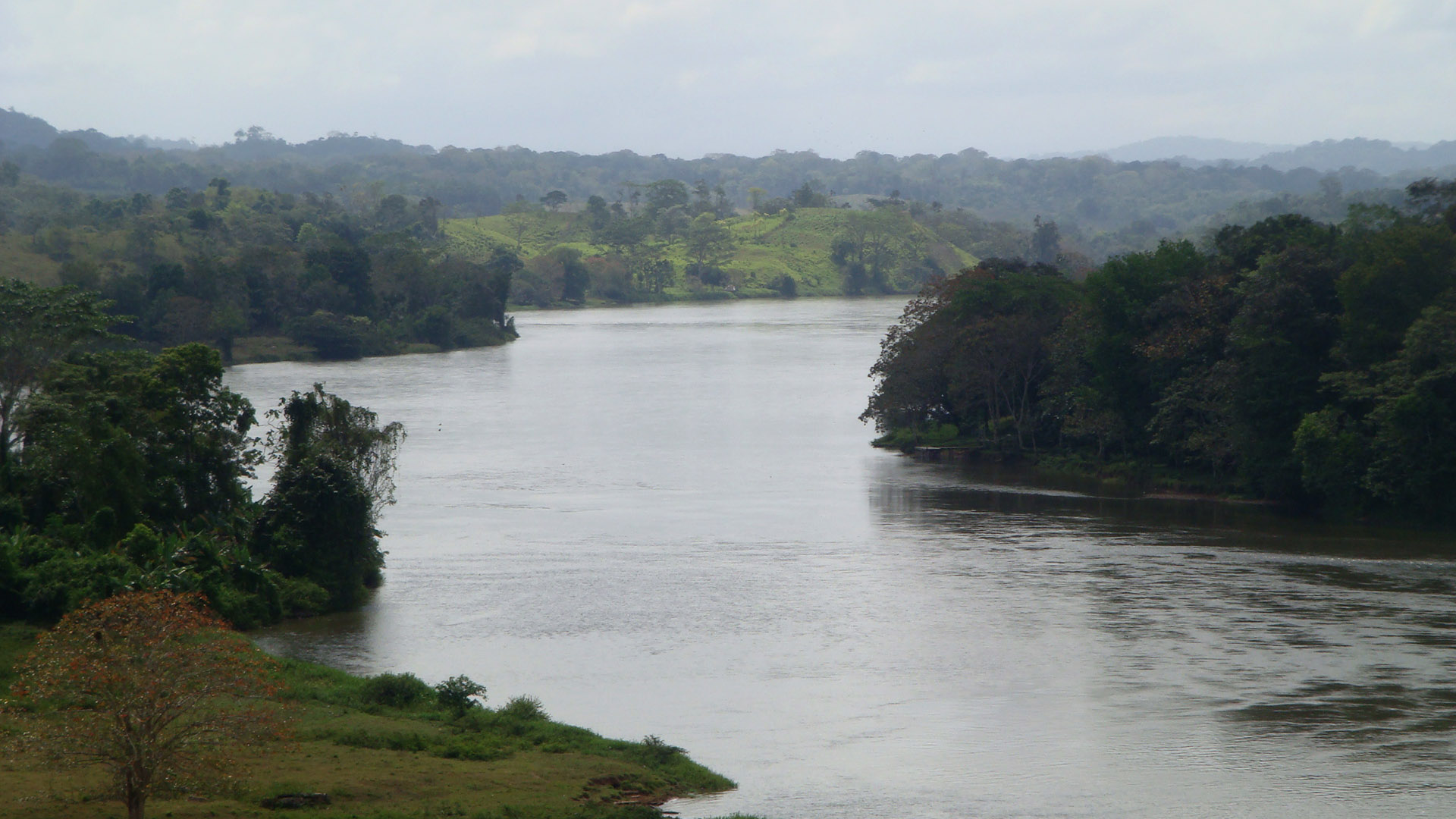
About Río San Juan Department
The Rio San Juan Region is a region in Nicaragua which borders in the south to Plains of the North, Costa Rica.
Río San Juan Department travel guide
Understand
This region has historically been one of the least developed regions of Nicaragua, but in the early 2010s this seemed to change with the construction of a paved highway from San Carlos to Managua slashing travel times and investment making the area attractive to backpackers. However, due to the crisis, the (seemingly permanent) cancellation of the Ometepe-San Carlos ship and a reduction in tourism, the once projected growth seems to be gone and the heyday over. The river, which was considered more than once as a possible route for an inter-oceanic canal linking the Pacific and Atlantic, belongs entirely to Nicaragua, although its right (or southern) bank is Costa Rica beginning a bit downriver from El Castillo all the way to San Juan del Norte. This has in the past sometimes caused frictions between the two countries. Before the transcontinental railroad was built in the USA, taking a ship down to San Juan del Norte (also known as Greytown) and then a boat through the Rio San Juan up to Lake Nicaragua and crossing the narrow strip of land in the (now) Rivas-departamento was one of the fastest and most practical ways to get from New York to San Francisco. Several notable figures of 19th-century America traveled on this path including Mark Twain, who wrote about the trip in one of his books. This historic route is today known as Ruta del Tránsito and you can still travel on the trail of these first outside travelers to the area. However the boat you will use are powered by internal combustion rather than steam and you would have to go out of your way to go a significant distance by horse drawn carriage.
Getting there
Bus from Managua to San Carlos (6 hours, C$150 (córdobas); via Juigalpa). Twice weekly flights from Managua to San Carlos (US$120 round-trip). Some of them via Ometepe - at least according to official schedules of La Costeña but reportedly scheduled flights to/from San Carlos were not operating in either 2018 or 2019. Flights from Managua to San Juan del Norte via San Carlos (NCR IATA) For all domestic flights check with the website of the only domestic airline - if you can't book it on the website, try to contact their desk at Managua airport and be prepared for the flights not going if they're not bookable online. Boat from Bluefields to San Juan del Norte (inquire in advance as the schedule keeps changing)
Getting around
Most of the trips are done on little boats on the Rio San Juan or Lake of Nicaragua. From San Carlos there are regular public boats downriver every day to El Castillo, stopping at various points on the way, notably Sabalos. If you wish to go beyond El Castillo you'll need to go on occasional public boats that go all the way to the end of the river at San Juan del Norte. It takes 3 hours for most public boats to travel between El Castillo and San Carlos; a faster boat leaves once daily (usually early in the morning) and takes only half as long. Apart from the San Carlos Juigalpa carretera there are no roads to speak of in this area of Nicaragua; all significant transport between San Carlos and San Juan del Norte is by boat or occasionally plane. The area just beyond El Castillo downriver to San Juan del Norte (San Juan de Nicaragua) is part of the Indio Maiz national park. To get to the Solentiname islands your best bet is to take a boat from San Carlos. The boats usually leave and arrive from the malecon; for more, see the city article.
See
Sunsets on lake Cocibolca from the malecon of San Carlos A Spanish fortress in El Castillo Wildlife including caymans, exotic birds and monkeys The Rio San Juan, a river of great emotional and historic importance to Nicaraguans The Reserva Natural Indio Maiz, Nicaragua's second biggest natural reserve
Do
A kayak or canoe trip up the Sabalos river, from 1 hour to 3 or 4 hours depending how far or deep you want to get, you can combine the trip with a visit to a cacao plantation, and then come back down stream in the Rio San Juan. You could also arrange for a longer trip all the way down stream to El Castillo is about another 2 hours. For the most adventurous there is the possibility to canoe or kayak all the way to San Juan del Norte, a 4- or 5-day trip, about 160 km (99 mi) downriver, you must bring your camping gear, guided trips are expensive, but if you have experience and are in good shape, this could be the adventure of a lifetime. If you like fishing, go give it a try to capture a giant Tarpon, weighing an average of 140 plus pounds, for this you must rent a boat, or pang. There is even a national fishing tournament in San Carlos every year.
Eat
As most of this region is close to lake Cocibolca and numerous rivers, fresh, high-quality fish can be had for roughly the same prices as comparable meat dishes almost everywhere. A particular specialty in this area are the so-called giant river shrimp, or "camarones del rio". These resemble large crayfish or small lobsters, and are quite delicious. Typically you'll pay thirteen dollars for a plate of three. However they are not around year round, as it is illegal to catch them from February to April.
Drink & nightlife
As this area is not as developed as the Pacific side of the country, caution regarding tap water is recommended. In most places, running water is only available during certain hours of the day. However, all but the most basic hotels should have a tank that enables you to shower at any time. Bottled drinks are generally safe, but if you are suspicious, look at the cap before opening, because sometimes people just fill empty bottles with tap water. Ice is often made out of tap water; whenever in doubt, ask whether something is made from agua purificada (purified water) or not. Remember to stay well-hydrated, as temperatures and humidity can be especially challenging in this part of the country. Although this isn't really a party destination there are some places for your Toña or Flor de Caña. For more see the individual city articles
Go next
Costa Rica (only possible at the border crossing by river from San Carlos) Ometepe (by boat from San Carlos, roughly 12 hours one way, C$161) Bluefields (by infrequent boat from San Juan del Norte)
Overview adapted from Wikipedia, travel guide fromWikivoyage (CC BY-SA). Photography via Wikimedia Commons.