
Ngorongoro Conservation Area
Tanzania · Africa
About Ngorongoro Conservation Area
Ngorongoro Conservation Area is a park and UNESCO World Heritage site in Northeast Tanzania. It contains an old volcano that has collapsed and formed a crater (caldera). The steep sides of the crater have become a natural enclosure for a wide variety of wildlife.
Ngorongoro Conservation Area travel guide
Understand
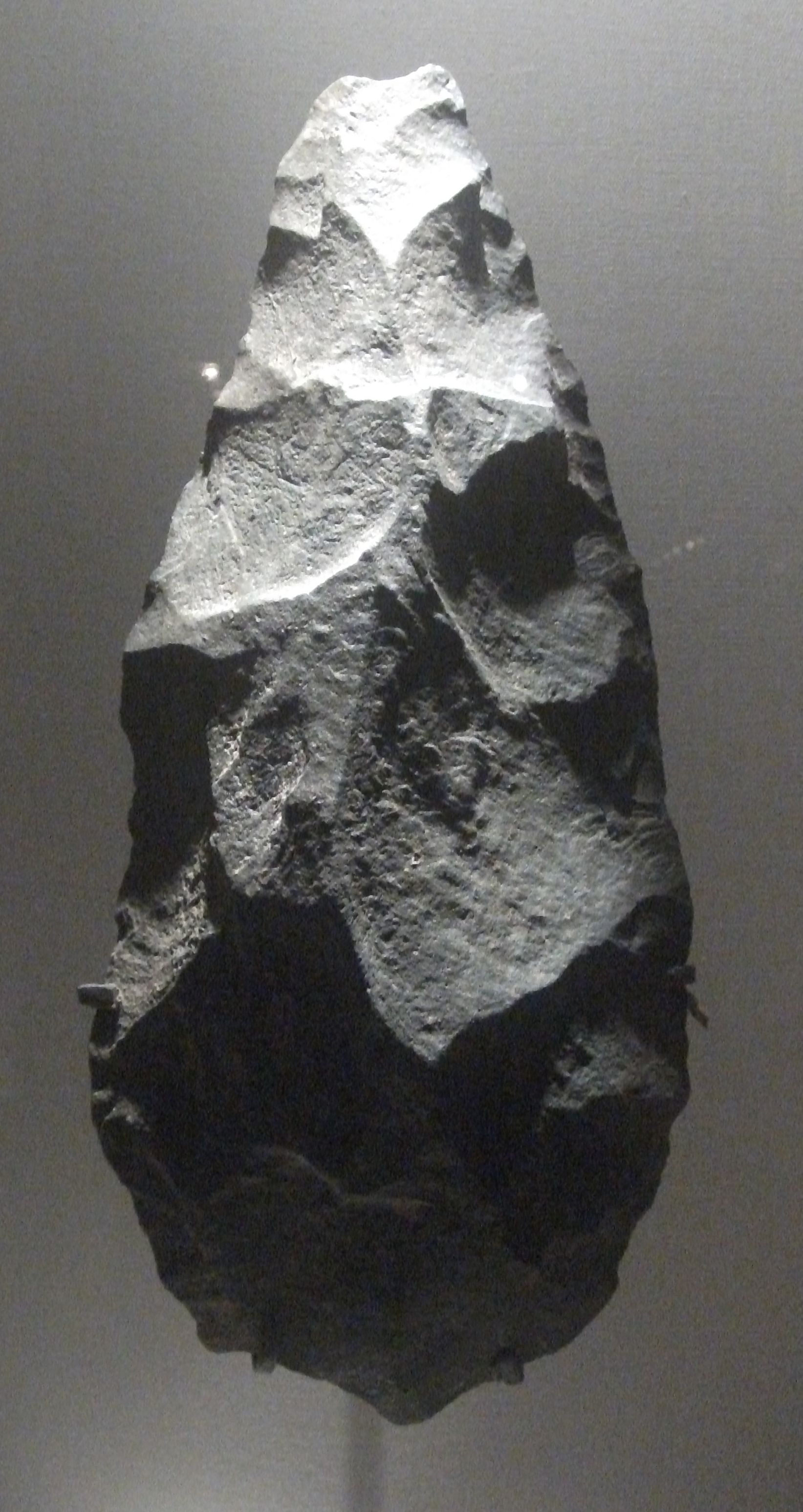
History The Ngorongoro highlands were formed millions of years ago by massive volcanic activity, creating a chain of craters and fertile slopes that today support rich wildlife and Maasai communities. For centuries, the Maasai lived as semi-nomadic pastoralists in the region, coexisting with wildlife under communal land traditions. Scientific interest in Ngorongoro began in the early 20th century, but global recognition came later through the work of Louis and Mary Leakey, whose excavations in Olduvai Gorge revealed early hominin fossils dating back nearly 2 million years. These discoveries—including Homo habilis and early stone tools—helped shape modern understanding of human evolution and cemented Ngorongoro’s reputation as “the cradle of humanity.” The area was declared a conservation area in 1959, distinct from Serengeti National Park, in order to protect wildlife while allowing the Maasai to maintain traditional grazing practices. In 1979, UNESCO added the entire Ngorongoro Conservation Area to the World Heritage List for both its natural and cultural significance. Today, it remains a rare protected area where wildlife, archaeology, and Indigenous culture coexist, though balancing conservation and Maasai livelihoods continues to be an ongoing challenge.
Landscape The Ngorongoro Crater is geologically speaking not a crater, but a collapsed volcano. It is a natural "utopia" for East African wildlife, and thus is rich in a wide diversity of animals. Roughly 100 square miles (260 km²) of savanna is completely encircled by a mountainous ring which is covered in dense jungle. Ngorongoro Crater is the largest unbroken caldera in the world, with a diameter of roughly 21 kilometers. The walls of the crater rise on average 600 meters above the floor. The rim of the crater is approximately 2 200 meters above sea level. The Ngorongoro Crater is located in a highland area, called the Ngorongoro Crater Highlands, and is the largest of three major craters/calderas in thi
Getting there
Most people come to Ngorongoro from Arusha on organized safaris. It is, however, cheaper to organize a safari from Karatu, a town 10 km from the gates. Here you can organize a safari with an independent driver. If using an independent driver, the profit will go to an individual Tanzanian instead of a larger safari company, however these vehicles are less reliable and are known to have parts fall off while driving around the crater. That can add or detract from your experience, depending on what you're looking for.
Getting around
The Ngorongoro Conservation Area is vast and rugged, with steep crater walls, highland forests, and open plains. The main way to explore the area is by 4×4 safari vehicle, either self-driven or with a guide. Many visitors arrive as part of organized safaris that include transportation and a driver-guide familiar with the terrain.
By safari vehicle Most travel within the conservation area is done by guided game-drive vehicles. These vehicles are specially equipped for rough roads and wildlife viewing. Guides are highly recommended, especially for first-time visitors, as they know where wildlife is most likely to be found and can navigate the complex road network.
Crater descent roads Access to the Ngorongoro Crater floor is controlled by a small number of steep roads that descend from the rim. Vehicles must use designated descent and ascent routes, and traffic may be regulated to prevent congestion and protect the fragile crater environment. Self-driving Self-driving is allowed for visitors with a reliable 4×4 vehicle, though caution is required. Roads can become muddy or slippery during the rainy seasons, and some tracks may close temporarily due to weather or wildlife activity.
Distances Distances within the conservation area can be considerable:
Ngorongoro Crater rim to crater floor: about 600 m (2; 000 ft) descent Ngorongoro Crater to Olduvai Gorge: roughly 40–50 km Ngorongoro Crater to the Serengeti entrance (Naabi Hill Gate): about 80 km Because of these distances and road conditions, travel times may be longer than expected.
Walking Walking is not permitted in most areas due to the presence of dangerous wildlife. However, guided walking tours may be available in certain locations with armed rangers, particularly around cultural sites or specific conservation zones.
Air travel Some visitors reach the conservation area via small charter aircraft landing at nearby airstrips serving safari lodges. Transfers to lodges are then arranged by the camps t
See
1 Olduvai Gorge. One of the most important sites for the investigation of human evolution and adaptive technology. There is a small museum with a collection that includes two million year old fossils and stone tools found in the gorge. 2 Empakaai Crater. This extraordinary caldera (collapsed volcano) consists of a ring of cliffs encircling, some 300 m below, a salt lake around 6 km across. Its colours range from vivid turquoise to sparkling marine to pewter, depending on the time of day and the mood of the cloudscape. 3 Olmoti Crater. Beautiful landscape for a hiking safari. Olmoti Craters’s floor is shallow and covered with tussocks of grass. Besides the Maasai and their livestock you can sometimes see eland, buffalo and reedbuck. 4 Ol Doinyo Lengai. is an active volcano located northeast outside the park. It's a long and difficult drive to reach it.
Do
1 Hiking (close to Lake Natron Camp Site). Scenic hike in a canyon of a stream leading in to Lake Natron. Go and return to a small waterfall which you can dive through into a hidden cave. Guide is required. (updated Jul 2016)
Buy
There are no major shops inside the Ngorongoro Conservation Area (NCA), but small gate kiosks at Loduare Gate and Naabi Hill Gate sell bottled water, snacks, postcards, hats, and basic supplies. Prices are higher than in Arusha or Karatu, so most travelers stock up before entering. A number of lodges have small curio shops selling Maasai beadwork, shukas, carved wooden animals, woven baskets, jewelry, batik fabrics, and books on wildlife and archaeology. These are convenient but more expensive than village markets. For better prices and wider selection, visit the Karatu markets before or after your visit. This includes textiles, Maasai souvenirs, spices, coffee, tea, and practical goods. ATMs are not available inside the NCA. The last reliable ATMs are in Karatu and Arusha.
Eat
Most meals in Ngorongoro are taken at lodges, tented camps, or picnic sites. There are no public restaurants inside the crater or the wider conservation area. Lodges offer buffets or plated meals featuring a mixture of international and Tanzanian cuisine—grilled meats, stews, vegetables, rice, chapati, soups, and desserts. High-end lodges often include multi-course dinners and fresh produce. For day trips into the crater, lodges prepare packed lunches, usually including sandwiches, chicken, fruit, boiled eggs, pastries, and juice. Outside the NCA, Karatu has a variety of restaurants and cafés of
Overview adapted from Wikipedia, travel guide fromWikivoyage (CC BY-SA). Photography via Wikimedia Commons.