
Nascentes do Rio Parnaíba National Park
Brazil · Americas
About Nascentes do Rio Parnaíba National Park
Nascentes do Rio Parnaíba National Park (Parque Nacional Nascentes do Rio Parnaíba), sometimes referred to in English translation as the Parnaiba Headwaters National Park) is an enormous protected natural area in northern, Brazil. It is a rugged remote area, several hours by car from the nearest village. The park is a biologically diverse area with an estimated 10,000 plant species and about 200 mammal species. It is home to a number of endemic and endangered species and is famous for a colony of capuchin monkeys known as the Einstein monkeys who use stone tools.
Nascentes do Rio Parnaíba National Park travel guide
Understand
The park covers an area of 724,324 hectares (that's almost 2 million acres) of a type of savanna called the cerrado.
History The park was established as part of the Brazilian national parks system in 2002.
Landscape
Flora and fauna
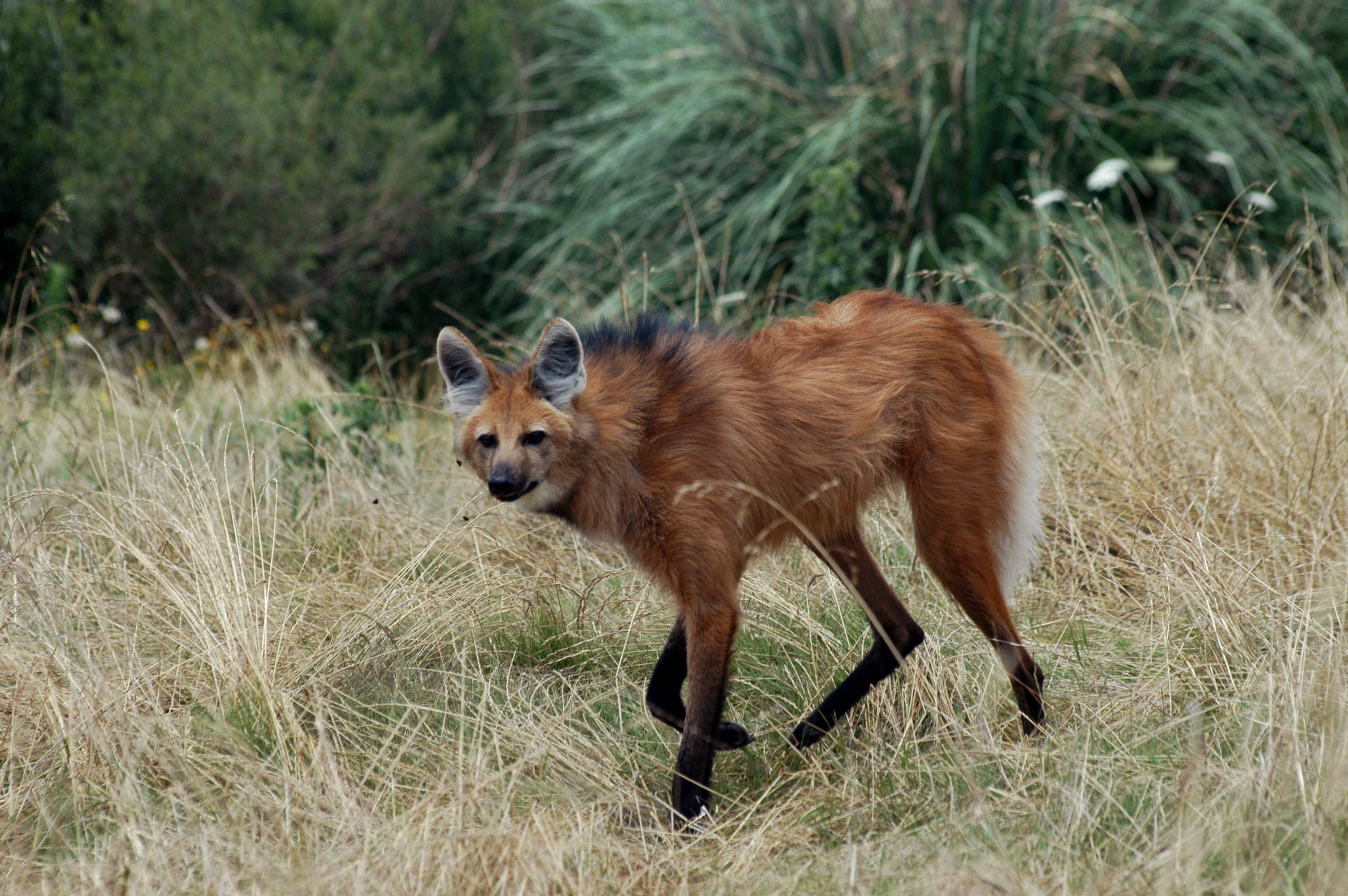
The park is home to more than 200 species of mammal, including the maned wolf, which has much longer legs than other wolf species, giving it the nickname "wolf on stilts". The maned wolf is just one of the more unusual mammal species in the park, which is most famous for a colony of capuchin monkeys that use stone tools, earning them the moniker "Einstein monkeys". These were the first New World apes to be seen using tools. A number of less crafty primates also live in the park, including howler monkeys and tufted marmosets. Keep an eye open for some of the "giant" mammals, including the giant anteaters and the giant armadillos. More than 600 bird species have been spotted in the park. One of the most stunning is the hyacinth macaw with its brilliant deep blue plumage. Other birds you might spot include Spix's macaw, Burrowing owls, blue-crowned parakeets King vultures, and swallow-tailed hummingbirds. There are some 20 very rare birds in the park including the Blue-eyed ground dove and the Brasilia tapaculo. There's also more than 200 amphibian species in the park including endangered tree frogs.
Climate The park has a semi-humid tropical climate with average temperatures between 22 and 27 °C. It has a wet and a dry season with the dry season stretching from April through September. The wet season is from October through March with rainfalls totalling about 6.4 inches (not super wet). The dry season is the best time of year to spot some of the park's most distinctive wildlife.
Getting there
The closest city with commercial airline flights is Barreiras (BRA IATA). This is about a 2-1/2 hour flight from Salvador on flights by Azul. From Barreiras, you will normally meet your guide for the 4-6 hour drive on remote dirt roads to the park.
Sleep
The park has two visitor areas with rustic lodges. The lodges were established in the 1990s and early 2000s and are referred to as the SouthWild Wolf Camps.
Lodging Wolf Valley Camp. Stay here and see the lodge's colony of bright blue Hyacinth macaws. Private rooms with bathrooms and showers. Day trips available to blinds set up for wildlife viewing. (updated Jun 2025) Wolf Cliff Camp. Stay here and see the lodge's resident colony of maned wolves. Day trips are available to see the colony of Einstein monkeys. Private rooms with bathrooms and showers. (updated Jun 2025)
Overview adapted from Wikipedia, travel guide fromWikivoyage (CC BY-SA). Photography via Wikimedia Commons.