
Mboro
Senegal · Africa
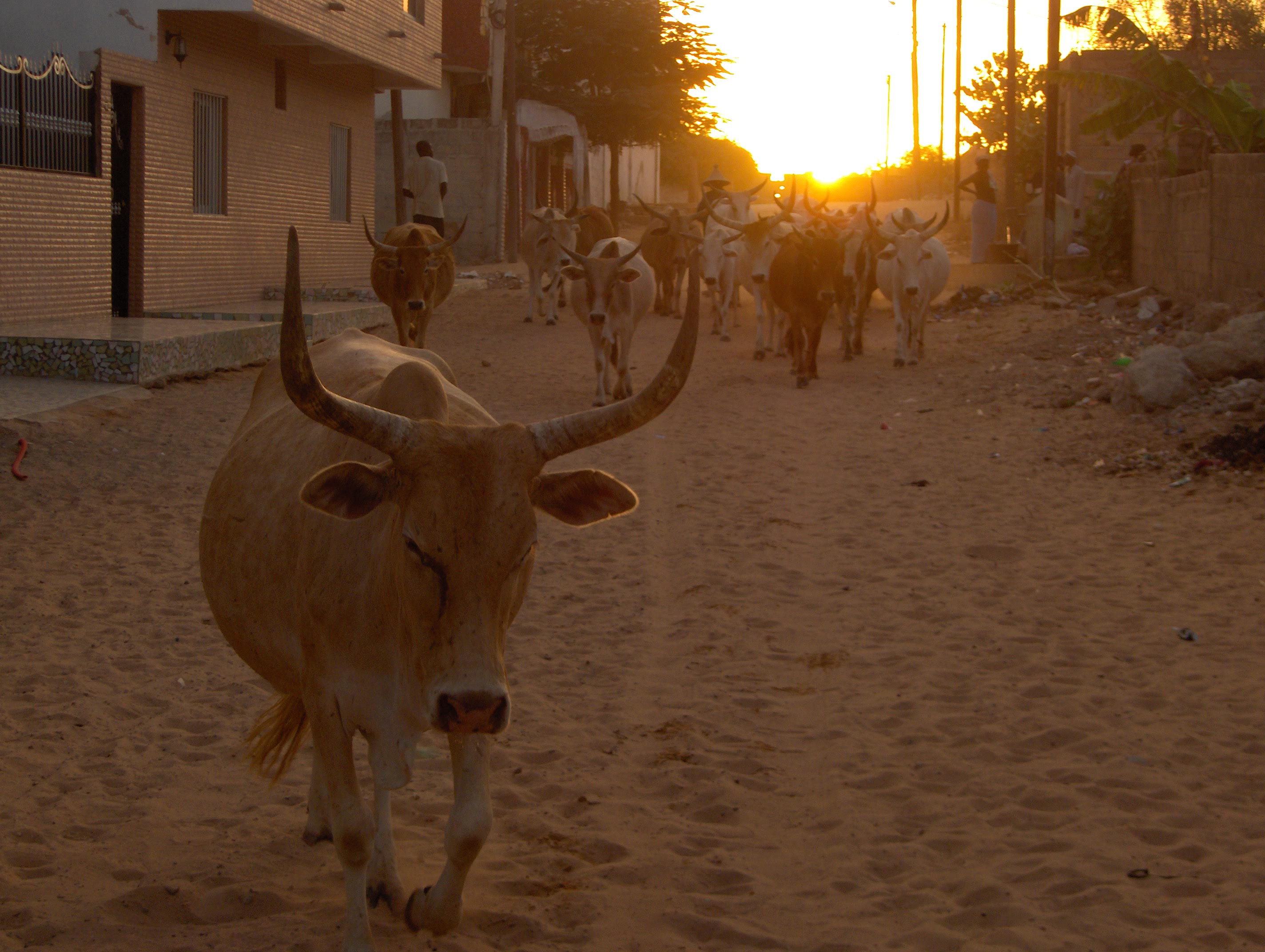
About Mboro
Mboro is a city in the Cap Vert-Thies region of Senegal in the middle of the garden belt outside Dakar, which produces large quantities flowers and vegetables for domestic consumption and export. Men farm the gardens, but women control the sale at all levels, except the export.
Mboro travel guide
Understand
Though discovered by the then colonial Governor of Senegal, Pinet Laprade, in 1862, the community of Mboro was not formalized until 1936 when travelers, carrying goods from the then capital of St. Louis to the port in Dakar, found need for a stopping point long the coast. After land surveys were conducted by the French, a base for fruit and vegetable production was instituted in Mboro and many Senegalese were enticed to move to the coast from Mékhé, Tivaouane, and other surrounding towns. Anyone who made the move received a trunk, a mosquito net, a piece of land, and tools to plant seeds and begin their new lives. Since then, Mboro has been regarded as the premiere source of fruits and vegetables, among cities along the northern coast. In the 1950s, a new dynamic was added to the economy with the extraction and sale of minerals found in the rich soils. The first neighborhoods were formed by 1954, including the unique neighborhood of Mbaye Mbaye; which today stands as a tribute to Western culture and the first factory managers that built it. The government formally organized the mining industry nation-wide in 1985, with the creation of Idustries Chimiques du Sénégal (ICS), including the factories of Mboro/ Darou Khoudass. Today a unique blend of Wolof, Pulaar and Sereer ethnicities call this oasis home. Revered for being flush with sea breezes and produce, Mboro is anything but your ordinary travel destination. Tucked quietly by the coast, and a 30 minute ride from the national route, it is a must see sight for those in seek of a truly Senegalese experience.
Respect The Senegalese are a very friendly and hospitable group of people. In order to continue receiving their hospitality, please follow the actions listed below.
Always greet and ask how their day is going. Never use your left hand to shake hands or give something to someone. By doing so, you would be showing a lack of respect towards the locals. Never tell a Senegalese that he/she is lying even if they ar
Getting there
Sept-place (Station wagon that transports up to 7 people) from Gare Routiere in Dakar to Mboro (Tourists on a Budget). You would take the sept-place that is headed to Thies, and then take another sept-place from Thies to Mboro. You can buy out all the seats or just buy your seat and wait for the car to fill up. Price: 1,400CFA/ passenger Dakar to Thies, 1,000CFA/ passenger Thies to Mboro, 500CFA max. for luggage. Alternatively, you can take a sept-place from Dakar to Tivaouane for 1,900 CFA/ passenger and then another sept-place from Tivaouane to Mboro for 600CFA/ passenger. Although slightly pricier, this route allows you to skip the traffic of Thies, as it takes a back road around the outside of the city. In addition, the garage in Tivaouane is smaller and the people a bit more friendly.
Getting around
Mboro is a small enough town so that walking across town should take no more than 30 minutes. The main road through town is paved, but the rest are dirt and sand. One can jump into a route taxi from any point to another along the main road for 100CFA/ person. Or a taxi can be ascertained from the road to anywhere in town for 500CFA/ car. From the garage, you can get a bush taxi to the beach for 200CFA/ person.
See
Mboro is an off the beaten path destination which can meet any adventure tourist's demand. For beach and ocean enthusiasts, there is a pristine, sandy beach where you can rent a rustic house or small boats (pirogues) for fishing excursions. For the nature enthusiasts, the town is surrounded by beautiful forestry and the nearby Pink Lake. For the cultural tourists, there is a chance to visit traditional Wolof villages and partake in their traditional past-times such as: making and drinking Senegalese tea, basket weaving, and more.
The beach At 3 kilometers from the town, this is a can't miss destination. A small fishing community decorates the beach with beautifully colored boats. In the evenings, one can see the day's catch - including 4 foot large swordfish- or see the millions of tiny white crabs running in the sand. 3 foot or higher waves provide surfing entertainment at all hours, but swim at your own risk. Occasionally, one can catch a glimpse the bioluminescent plankton caught in the waves at night... a truly amazing sight! The market The market is the best place to find what you seek. Everything from meat, produce and cookwares to the latest fabrics and accessories can be found. The unique displays crowd the sidewalks and alleys while the colors distract the eyes.
The church The Catholic church is located on the road to Mbaye Mbaye and sports lovely panels of stained glass depictions. The choir at the weekly mass mixes African drum beats with classic hymns. Mass is given in a mixture of French and Wolof.
A mosque Three grand mosques are located around Mboro, and are open to men at all hours for visits or priers. Basket making The women weave traditional baskets and trays into delightful artisan products using strips of palm fronds and colorful plastic. Drum circles Popping up sporadically around town, these groups aim to please with their beats. More formal events can be found on the beach in the evenings.
Buy
The national currency of Senegal is the CFA Franc. A tourist can easily find any toiletry (or substitute) left behind, but what makes Mboro superb is its locally produced quality products sold to the residents themselves. Women's groups, artisans, and craftsmen create everyday products for their families, friends, and neighbors that any tourist would find to be a unique treasure. Some of the best prices in the country can be found in this humble abode when compared to similar goods in Thies, Dakar, or any other tourist destination.
Fruits and vegetables Buy them fresh or in jelly/ jam preserves, juice concentrates, dried pieces, or precut and preserved in cans(for the vegetables). Cereals Senegalese couscous, millet, etc. sold in small serving sized plastic bags. Leather products shoes, sandals, bags, belts, wallets, or anything else you can dream up, have a picture of, and explain to the skilled workers. Organic Soaps Tie-Dye Products Senegalese clothing, table cloth & napkins, bathrobes, etc. Wood Carvings statues/ figures, Senegalese chairs, traditional mortal & pestle, etc.
Eat
Mboro is littered with food stands serving bean, egg, chicken, or fish sandwiches, meat or fish fatayas, or traditional rice plates such as Maffe (peanut and tomato sauce), Yassa (onion and vinegar sauce), or Ceeb bu Jenn (rice with fish). For a do-it-yourself approach fresh fruits and vegetables, fresh and dried fish, chicken, beef, sheep, or pork can be located in and around the market. Most boutiques sell pasta, eggs, dairy, canned veggies, tomato paste, oils, spices, and coke products. For a more formal setting enjoy the daily plate with lunch ranging from 1,000 to 2,500 CFA and dinners from 2,500 to 4,000 CFA at one of the following:
Hotel Amaya The Club in Mbaye Mbaye Restaurant Project Jappoo Auberge Waou Victor's Boutique
Drink & nightlife
Mbo
Overview adapted from Wikipedia, travel guide fromWikivoyage (CC BY-SA). Photography via Wikimedia Commons.