
Lesser Sunda Islands
Indonesia · Asia
About Lesser Sunda Islands
Nusa Tenggara ("Southeast Islands"), also known as the Lesser Sunda Islands, is a region in southeastern Indonesia.
Formerly little more than afterthought for most Bali-bound travellers, this region is now attracting more and more visitors, with Komodo National Park close to Flores island and Lombok leading the way.
Lesser Sunda Islands travel guide
Understand
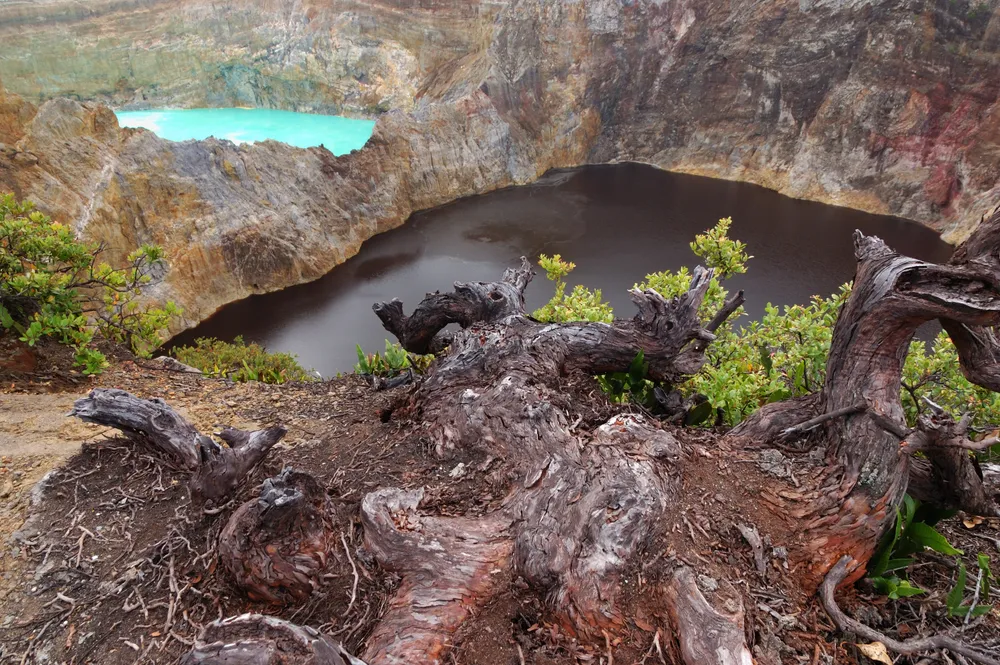
Nusa Tenggara is one of the least developed and least visited parts of Indonesia. But United Nation World Tourist Organization (UNWTO) acknowledged Indonesia as an example of success in developing tourism. In 2016 East Nusatenggara got 6 medals from 10 categories of Anugerah Pesona Indonesia 2016. Gold medal of Most Popular Surfing Spot of Nemberala Beach, Rote Ndao Regency; Gold medal of Most Popular Cleanliness of Nihiwatu Beach, West Sumba Regency; Gold medal of Most Popular of Historical Site of Ende Bung Karno (Proclamator and the first Indonesia President) Site; Gold medal of Most Popular Diving Site of Alor Island, Alor Regency; Silver medal of Most Popular Attraction of Pasola, Southwest Sumba Regency; Bronze medal of Most Popular Highland of different color of three lakes/calderas of Mount Kelimutu, Ende. While the islands of Lombok and Sumbawa have a majority of Muslim inhabitants, the vast majority (90%) of the rest is Christian, with a strong Hindu presence on Lombok and a good number of remnant aspects of animist belief. Nusa Tenggara has been largely spared the religious conflicts of nearby Sulawesi and Maluku. The Wallace line, the boundary between the Asian and Australian ecosystems, passes through the region, between Bali and Lombok. Therefore, Nusa Tenggara is part of Wallacea, a transitional ecozone, identified by both the WWF and Conservation International as a global conservation priority area.
Getting there
Being a vast archipelago, the main means of transport are by plane and by ship.
By plane The main airports, with frequent flights from Jakarta and Denpasar (Bali), are Lombok (LOP IATA), Labuan Bajo (Flores; LBJ IATA) and Kupang (West Timor; KOE IATA). From Denpasar there are also regular flights to Bima (Sumbawa), Ende and Maumere (Flores), and Tambolaka and Waingapu (Sumba). There are also several international flights to the region. Lombok is connected to Singapore (Scoot) and Kuala Lumpur (AirAsia), and there are direct flights between Kupang and Dili in East Timor (Air Timor).
By boat There are frequent ferry services from Bali to Lombok. There is a ferry from Padang Bai, whilst there is a fast boat to GilI Islands and Senggigi from Sanur, Benoa, Kuta, Padang Bai and Amed. Connections between Nusa Tenggara and Indonesia's other islands are limited to the occasional PELNI ferry sailing between Makassar (South Sulawesi) to Flores and, if you really want to get away from it all, from various ports in Papua via Tual and Saumlaki, Maluku to Kalabahi, Alor and onward to Flores.
Getting around
By plane The network of inter-island flights has grown considerably over the last decade. Kupang Airport (KOE IATA) is a hub for East Nusa Tenggara, with flights to all other airports in the province. Similarly, there are flights from Lombok Airport (LOP IATA) to Bima and Sumbawa Besar on the island of Sumbawa. Alor Island Airport (ARD IATA) can be reached from Kupang and Atambua.
By bus and ferry From Bali in the west to Timor in the east, the classic island-hopping backpacker trail across Nusa Tenggara runs something like this:
Ferry from Padangbai, Bali to Lembar, Lombok Overland across Lombok via Senggigi Ferry from Labuhan Lombok to Poto Tano, Sumbawa Overland across Sumbawa via Sumbawa Besar and Bima Ferry from Sape to Labuanbajo, Flores Overland across Flores via Maumere to Ende Ferry from Ende to Kupang, West Timor Overland across Timor to Dili, East Timor Popular detours include visiting the 3 Gili Islands lying a few km of the western coast of Lombok and Komodo north of Flores. Less popular options include going via Sumba instead of Flores. A night time ferry also runs, sometimes, from Waingapu, Sumba to Ende, Flores, taking about 11 hours.
See
Komodo dragon. The Komodo dragon, which lives in Rinca and Flores as well as Komodo islands, is the largest lizard in the world. Tours are available where dragons can be seen in the wild. Tourists must be accompanied by park rangers who use forked wooden sticks to fend off any approaching dragons, and provide information about the islands and wildlife. The practice of feeding dragons stopped in 1992. See the three varying colored lakes at Kelimutu on Flores.
Do
Pasolas, festivals with ritual battles between warriors, in western Sumba in February or March. Swimming in the Flores Sea between Sumbawa and Flores, en route to or from one of the islands in Komodo National Park.
Eat
With a drier climate, there is less rice and more sago, corn, cassava, and taro compared to central and western Indonesia. Fish is popular including sepat, which is shredded fish in coconut and young-mango sauce.
Drink & nightlife
Jus Apokat (avocado juice), often including a swirl of chocolate, is generally very good.
Overview adapted from Wikipedia, travel guide fromWikivoyage (CC BY-SA). Photography via Wikimedia Commons.