
Lake Victoria
Uganda · Africa
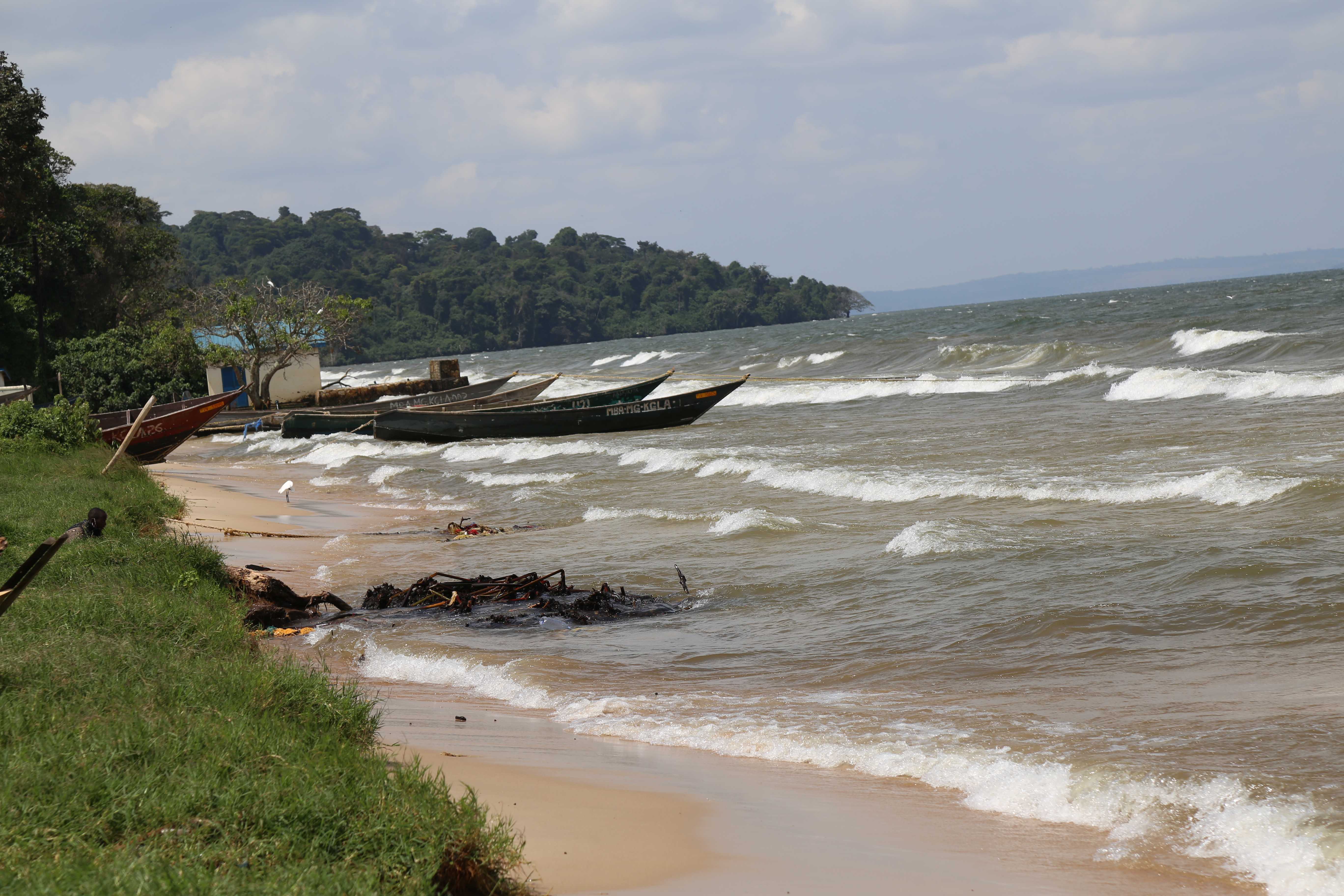
About Lake Victoria
Lake Victoria is a lake in the Great Rift Valley of East Africa.
With an area of 68,870 km², Lake Victoria is the largest inland lake in Africa and the second largest freshwater lake in the world.
Lake Victoria impresses with its fascinating nature, its rich wildlife, its cultural diversity, its historical significance and its wide range of leisure activities such as boat trips, fishing and island exploration. However, swimming in the lake is life-threatening. There are parasites and crocodiles.
Lake Victoria travel guide
Understand
History Lake Victoria was rediscovered for the Western world on August 3, 1858 by the British explorer John Hanning Speke and named after the then British Queen Victoria. Henry Morton Stanley traveled around it between March and May 1875 on the ship Lady Alice and circumnavigated it once.
Landscape The inland lake is located in the East African plateau at an altitude of 1133m. It is 337km long and 250km wide. Its average depth is 40m, its maximum depth is 85m. The lake's surface area is shared by the states of Tanzania (49% of the lake's surface area), Uganda (45%) and Kenya (6%). Its coastline is 3450km long, of which 50.7% is in Tanzania, 33.3% in Uganda and 16.0% in Kenya. Lake Victoria has a catchment area of around 193,000 km². Its tributaries are the Sio, Nzoia, Yala, Nyando, North and South Awach, Sondu, Gucha-Migori, Mara, Grumeti, Mbalageti, Mori, Mugango, Suguti, Bunda, Ukereweder, Simiyu, Magogo-Moame, Nyashishi, Isanga, Biharamulo, Kibale, Katonga and Kagera-Nile. The only outflow is the Victoria Nile in the north, so Lake Victoria is hydrologically classified as the source of the Nile.
Flora and fauna Lake Victoria is home to a diverse range of flora and fauna, shaped by its tropical conditions and its location in East Africa. The vegetation on the shores of the lake consists of dense papyrus stands, reeds and other aquatic plants, which provide important habitat for numerous animal species. Mangroves and various grass species grow in the wetlands. The lake's fauna is particularly rich and includes numerous species of fish, including the famous cichlids, known for their amazing biodiversity. However, this diversity has been severely affected by the introduction of the Nile perch, which has decimated native fish populations. In addition to fish, Lake Victoria provides a habitat for numerous amphibians, reptiles such as crocodiles and water snakes, and various bird species such as herons, pelicans and kingfishers. Mammals such as hippos and the
Getting there
The international journey takes place via the harbour cities of Entebbe/Jinja (Uganda), Kisumu (Kenya) and Mwanza (Tanzania) on Lake Victoria.
Getting around
Around 40 ferries operate daily between Tanzania, Uganda and Kenya, some of which also transport cars. Depending on the weather, the access roads to the harbour towns are dirt or gravel roads that can only be used by four-wheel drive vehicles. The frequency of the ferries varies depending on the season, day of the week and weather conditions. There are regular connections for local traffic as well as tourist ferries for excursions to the islands. Kenya:
Kisumu - Rusinga Island and Mfangano Island: Ferries to the islands of Rusinga and Mfangano. The journey takes about 1 to 2 hours, depending on weather conditions and destination island. Kisumu - Usoma: There are also connections from Kisumu to Usoma Peninsula, a small harbour on the western side of Lake Victoria. Uganda:
Entebbe - Ssese Islands: There are daily services connecting the islands to Entebbe and the journey takes about 1 to 2 hours, depending on the island. In addition to Bugala Island, smaller islands such as Buvuma and Bukasa can also be reached by ferry. There are several ferry companies that serve this route, including the Uganda Railways Corporation and private operators. Ferries run several times a day and offer regular connections to the islands. There are smaller ferries travelling to the Ssese Islands from other ports on the lake (e.g. Nakiwogo or Masese), but Entebbe remains the main starting point for the majority of traffic to the islands. Entebbe - Nakiwogo (Kampala): This ferry service between Entebbe and Nakiwogo near Kampala mainly serves local traffic and is a short way to cross the lake. Tanzania:
Mwanza - Rubondo Island: The journey takes about 2 to 3 hours depending on weather conditions and is operated regularly, especially for tourists wishing to visit the national park. Mwanza - Saanane Island: This connection is ideal for day trips to the island's national park. Mwanza - Bukoba: Ferry services between Mwanza and Bukoba connect the two Tanzanian cities and offer the opportunity
See
In addition to the harbour towns, the 90 islands, some of which are uninhabited, and the fishing are also worth seeing. Further away from the lake are the safari areas of Tanzania Serengeti National Park and Kenya Maasai Mara National Reserve.
Do
Boat tours: ‘’Boat tours to the source of the White Nile‘’ (Jinja; Uganda) are particularly popular, where you can enjoy a relaxing cruise through lush nature and visit the point where the Nile flows out of Lake Victoria. ‘’Sunset boat tours‘’ around towns such as Entebbe (Uganda), Mwanza (Tanzania) and Kisumu (Kenya) offer great views of the lake and a moody atmosphere with the bright colours of the sky, often combined with food, drinks or live music on board. ‘’Cultural boat tours‘’ to traditional fishing villages on islands such as Rusinga (Kenya) or along the lakeshore offer the opportunity to get to know the life of the local communities and participate in cultural activities such as traditional dances, local food and insights into fishing. ‘’Kayak and canoe tours‘’ offer a more active and personalised experience of Lake Victoria. Especially popular in Jinja (Uganda) and near the islands where you can discover small islands and hidden bays where wildlife lives nearby. Fishing: Fishing trips are available in various parts of the lake, especially in Mwanza (Tanzania) and Jinja (Uganda). Lake Victoria is known for its Nile perch, which is a challenge for anglers. The tours often include learning local fishing techniques and a picnic by the water. Game viewing: The best animal sightings are in the national parks.
Eat
The cuisine around Lake Victoria is diverse and characterised by the cultural influences of the neighbouring countries of Uganda, Tanzania and Kenya. Fresh fish from the lake, seasonal ingredients and traditional cooking methods take centre stage. Fish dishes:
Nile perch: One of Lake Victoria's most famous fish, prized for its firm, mild flesh. Preparation: Grilled, deep-fried, in curries or as an ingredient in soups. Tilapia: ◦ Most common fish species in Lake Victoria. Often grilled whole, seasoned and served with side dishes such as ugali or matoke (plantains). Mukene (sardines): Small fish that are eaten dried, smoked or deep-fried. They are an important source of protein and are often served as a snack or in stews. Typical side dishes:
Ugali (posho): A solid maize porridge that serves as a staple food throughout the region. It is combined with fish, meat or vegetables. Matoke (plantains): Steamed or boiled plantains served either as porridge or in stews. Chapati: Flatbread that is often served as a side dish with savoury dishes in Kenya and Uganda. Rice and beans: Often simple but flavoursome and cooked with coconut milk or tomatoes. Stews and sauces:
Fish curry: Prepared with coconut milk, tomatoes and regional spices such as turmeric or coriander. P
Overview adapted from Wikipedia, travel guide fromWikivoyage (CC BY-SA). Photography via Wikimedia Commons.