
Karnala Bird Sanctuary
India · Asia
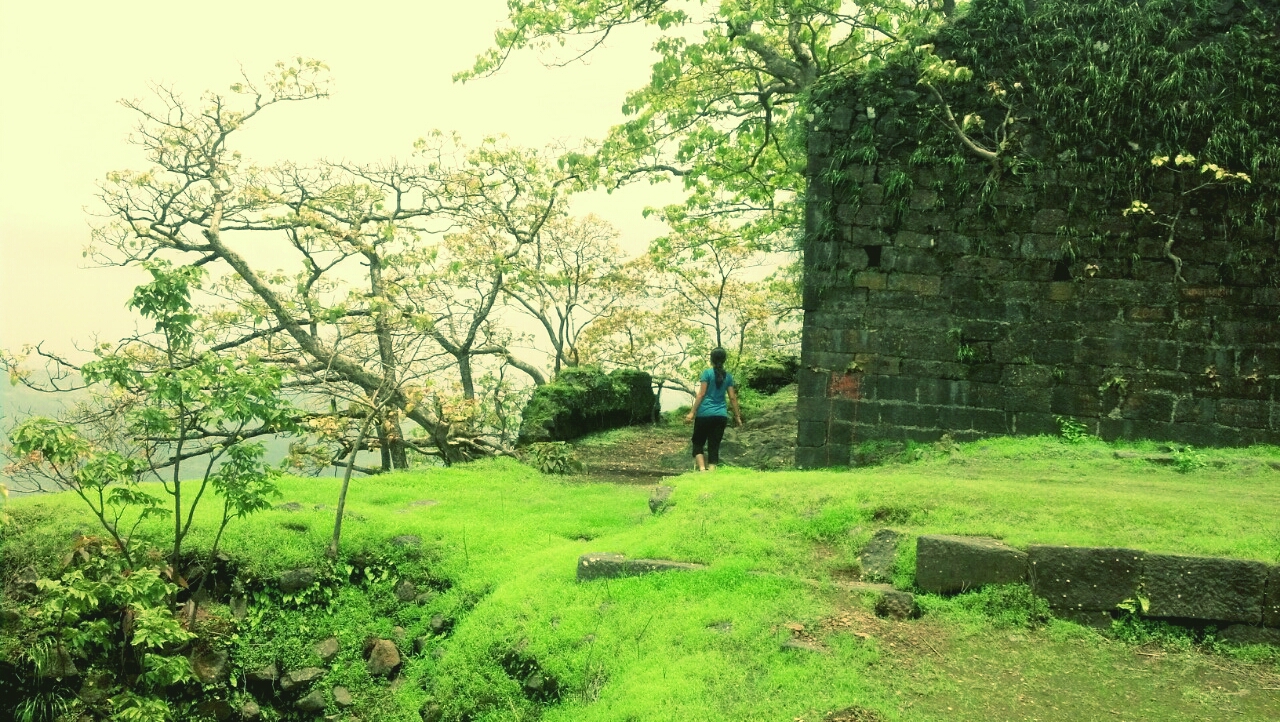
About Karnala Bird Sanctuary
Karnala Bird Sanctuary is a protected wildlife park in the Raigad district of Maharashtra, around 50 km from Mumbai. It is a major attraction to the visitors of Mumbai, Thane and other nearby towns. About 100,000 domestic tourists visit the sanctuary every year. Karnala is a paradise for bird watchers.
Karnala Bird Sanctuary travel guide
Understand
Karnala is a refreshing break from the big city. People come here to watch the birds and wildlife, to picnic and to trek. Just a short drive outside Mumbai on the Mumbai-Pune Highway to Goa is the densely forested Karnala Bird Sanctuary, a pleasant surprise away from Mumbai's concrete jungle. Karnala is a tiny sanctuary, barely 4.8 km2, home to over 150 resident bird species and about 37 types of avian migrants.
Landscape It is in the mountain range of the Western Ghats. It is surrounded by many hills and is a trekking paradise. Climbing Karnala can be a great experience for trekkers. Trekking can be dangerous in the rainy season so it can be done in the rest of the year. While climbing the fort you come across many species of birds in nature. River Patalganga is towards the east of the fort. Greenery covers and surrounds the fort of Karnala. While you are enjoying the sanctuary, spare a thought for preserving its ecology and tranquillity.
Flora and fauna Vegetation typifies moist deciduous forest and is characterised by species such as koshimb, mango, nana, kulu, kalam, asana, umbar and teak in the top canopy. The ecological conditions of the tract favour a large variety of bird population. The forests are also ideal as a harbourage to wild animals. A casual walk through the forests is an unfailing source of joy, with the list of bird-song ringing in the air. The sanctuary abounds in bird life and during the migrating season from October to April. The sanctuary is home to over 222 species birds of which 161 are resident species, 46 are winter migrant species, three are breeding migrants, seven species are passage migrants and five species are vagrant. Though Karnala is principally a bird sanctuary, many other interesting forms wildlife like wild boar, the four-horned antelope, the muntjak and the common langur also occur here. The sanctuary is also home to 114 species of butterflies.
Climate Karnala has two distinct seasons from the point of views of the b
Getting there
By car Karnala Bird Sanctuary is 60 km from Mumbai, on the Mumbai-Goa Highway, NH-17. This is a 2-hour drive via Thane Creek and Panvel. You can hire a taxi from Mumbai or Pune and it shouldn't be very expensive.
By train The trains on Harbour Trans-Harbour lines stop at Panvel, 12 km (7.5 mi) from the sanctuary; from here you can catch autorickshaws, taxis and buses. From Panvel regular buses and autorickshaws (6 seaters) going towards Pen will drop you at Karnala, but the frequency is very less after 6-7PM. The fare is around ₹10.
By bus MSRTC buses run from Mumbai Central to Karnala.
Getting around
There are two ways up, one is an easy and other is bit difficult. People who are doing the trekking for the first time can go for the easy way. More experienced and adventure-loving ones can go by the difficult path.
Easy - Move left from the entrance, One can take this path, which starts from the water pump house. Follow the arrow marks displayed on the trees. Difficult - Move right from the entrance. This path can be taken from man-made steps near the entrance, which leads directly to the forest.
Eat
Food is available at the base which leads to the pathway to the fort. Water, cold drinks, complete thali-veg, egg and non-veg, poha, tea, coffee, bhajiyas are available.
Drink & nightlife
Take all the Drinking materials from the base. As there is no water available on the Hill/Fort. During the summer it is advisable to take lots of water along, as it may cause dehydration because of the heat. Rain water gets accumulated at the bottom of the fort, which is available throughout the year and may or may not be hygienic. Take lots of drinking Water along with you during the summer trek. There are many water tanks on top which do not have good water, but there is a water tank cut in the rock, almost behind the fort. If you walk around the pinnacle from the left you reach a small cliff. The water tank on the right side has good clean water throughout the year.
Sleep
Lodging There are many hotels and resorts located near the sanctuary. There are two government rest houses inside the sanctuary area. However, it is better to stay in nearby cities like Navi Mumbai, where good hotels are available. Many resorts are also available in the park vicinity but they may be expensive.
Camping Try to avoid camping at this site. A lot of problems tend to occur during camping.
Backcountry
Overview adapted from Wikipedia, travel guide fromWikivoyage (CC BY-SA). Photography via Wikimedia Commons.