
Kafue National Park
Zambia · Africa
About Kafue National Park
Kafue National Park is in the Kafue River Basin of Zambia. It is approx. 22,400 km² and is one of the largest parks in the country and the world. Its geography varies considerably from flood plains in the north to desert regions in the south.
Kafue National Park travel guide
Understand
A huge baobab tree is at "Treetops" Conservation School Camp not far from the Busanga Flood Plains. The school accepts small numbers of children in the dry season for short stays to help educate them about the park's wildlife. It became very run-down but was renovated by a group of schools from Lusaka because educating the next generation of Zambians about the country's remaining wildlife is vital for future conservation of the Park.
History
Landscape
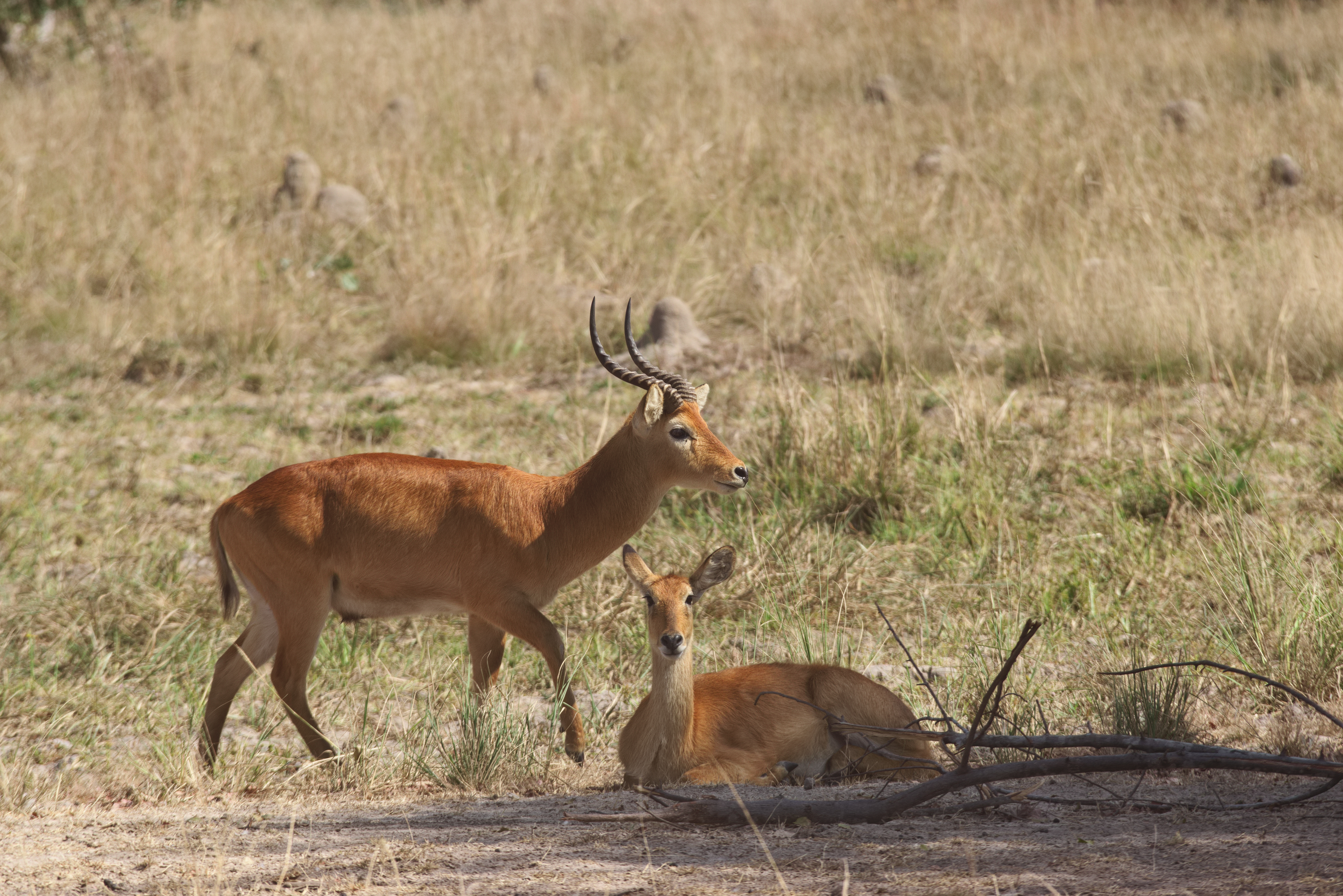
Flora and fauna Kafue is extremely rich in animal life. Hippo abound in the rivers with good sightings of huge crocodiles. Many species of birds, large and small are abundant. Elephant too are on the come-back after extensive poaching, and are frequently seen along the river banks and even venture into the camps and lodges. Hoofed animals are also thriving in the park, especially Puku, Kudu, Red Lechwe, Impala, Waterbuck, Bushbuck, Oribi, Blue Duiker and Burchells Zebra. Also to be seen are Warthogs, Mongooses, Nile Monitor Lizards, Porcupine, Cerval, Civet, Terrapin, Vervet Monkeys and Bush Babies as well as Cape Buffalo, Blue Wildebeest, Lion and Leopard. These are the main animals which live in the park but of course there are many more. The two animals of the "big five" which are missing from the northern areas are the Rhino and Giraffe. The Rhino was poached out and there is debate on whether to re-introduce it. Baobob, Mahogan, Sausage, Sycamore Fig, Ilala Palm, Wild Date and Acacia are just a minute few of the varied trees and bushes that grow profusely in Kafue, many to a huge size in the northern areas because of the high rainfall.
Climate The northern area receives more rain than the south so it is best visited in the winter months from July to October when the rainy season is over, as many areas are impassable and flooded during the summer. The lodges only open in the winter months as the plains are totally awash and many roads are under water. The rivers too rise to high levels, the evidence of
Getting there
Getting there and getting around, the traveller has many choices. Firstly, you can fly in and stay at one of the better lodges, where the staff will walk, drive or boat you around that area of the park. Secondly, you can drive yourself into and around the park. Thirdly, arrangements can be made with an outside agency or company to drive you into and around the park. By public transport from Lusaka, take a bus to Mongu and ask the driver to drop you at 1 Hook Bridge on the M9 (many bus companies: theOasis.com; Shalom; etc.; 300 K; 4–5 hr). From there, arrange a pickup with your lodge or bush camp.
Do
The jewel in Kafue's crown is the Zambezian flooded grasslands ecoregion in the north, including the Busanga Swamp and plains. These support large herds of herbivores and their predators. In the dry season the animals keep close to the swamps and marshy creeks and are easily seen. The area is also noted for its birdlife. Go on a walking safari with Phil Jeffery of Jeffery and McKeith Safaris. His knowledge will astound you. Go for daily boat trips along the Lufupa and Kafue Rivers near Musekese Camp and Lufupa Lodge with a long serving, very knowledgeable skipper. Watch enthralled, as he invites a totally wild Fish Eagle (nicknamed "Wilbur"), to swoop down to scoop up the fish he throws to land on the water not yards from the boat. Whilst out on the water, try a spot of fishing and have your catch served up to you for lunch or dinner. Take early morning and late afternoon/early evening game drives to be shown an abundance of wildlife that abounds in the area, by experienced and very knowledgeable spotters and drivers. Enjoy a dip in the pool at Lufupa Lodge when the heat of the day is enticing you to do so. Take a walk or drive to hot springs, or canoe on Kafue River Birdwatching in Kafue National Park, Zambia is a highlight for anyone wanting to go birding in Africa. The fish species that makes fishing rewarding are bream, barbel and fresh water pike.
Eat
Food in the many lodges is very good but mostly basic. Camping visitors can bring their own food or join in nearby lodge dining arrangements. There are no laws against alcohol being consumed and lodges operate a bar system, which is usually settled at the end of the stay.
Sleep
Campsite fees vary from camp to camp but are very reasonable. Unless noted, all fees are per person per night. ZAWA park and bed night fees are not included.
Lodging Leopard Lodge, ☏ +27 71 604 8224, [email protected]. Activities include game drive, boat cruise, walking safari or fishing; two of them per day is included in the price, as are brunch, dinner and park entrance. from US$315/day/night.
Bush camps 1 Mayukuyuku Camp (about 8 km from the tar road; just east of the Kafue Hook Bridge), ☏ +260 977 721 284, [email protected]. Mayukuyuku Camp is on the banks of the Kafue River in one of the most picturesque spots of the park. This small, intimate camp has just 4 en-suite permanent tents under thatched roofs with their own verandahs and hammocks, each one overlooking the river. For motoring visitors or backpackers, the camp also has a shady campsite on the opposite side of a small, dry riverbed with river view from each pitch. There are 3 pitches with nearby shared bathrooms open to the stars. There is a bar just a short distance from the main camp. Bring warm clothes for the cold nights since the tents are just provided with one thin blanket. Full board: US$400 pppn, camping US$30: pppn, tent hire: US$30, activities: game drive, boat game: US$45, pick-up / drop off from bus stop: US$35, Visa and Mastercard payment cards accepted with a 2.5% extra fee. (updated Aug 2024) McBrides' Camp, ☏ +260-977-414-871, [email protected]. Accommodation consists of seven private thatched two person chalets with en suite bathrooms. Beds have mosquito nets and each chalet has hot and cold running water, modern ablutions with a shower. Each chalet has a unique view, either of the river or the bush. A comfortable verandah allows one to view the many species of birds and wildlife from the chalet. US$240. 2 KaingU Safari Lodge, Namwala Game Area (4.5 hour drive from Lusaka; see instructions on lodge website), [email protected]. KainU Safari Lodge is a bout
Overview adapted from Wikipedia, travel guide fromWikivoyage (CC BY-SA). Photography via Wikimedia Commons.