
Jakar
Bhutan · Asia
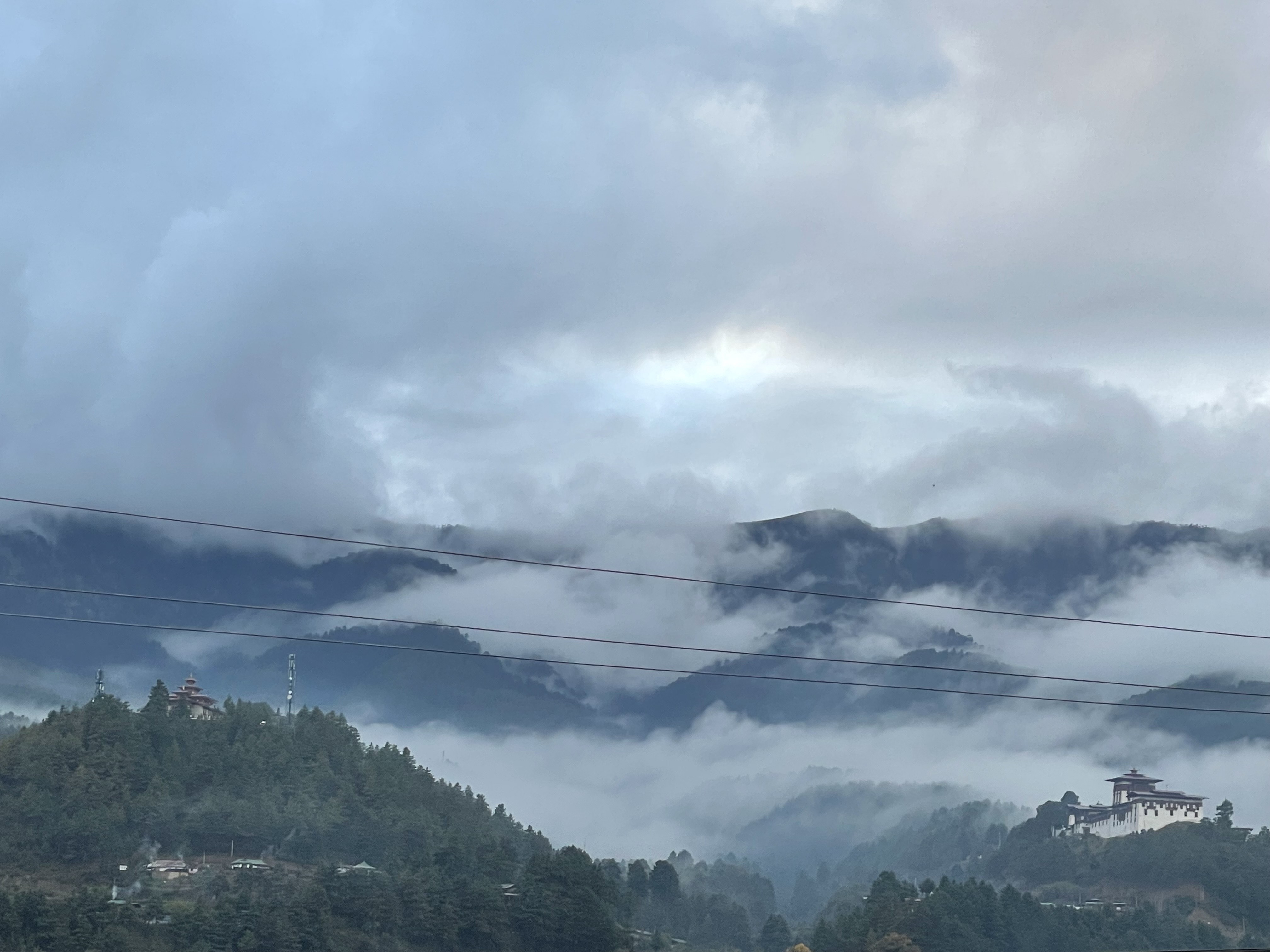
About Jakar
Located in central Bhutan, Jakar is renowned as a center of Vajrayana Buddhism, particularly the Nyingma tradition, and is home to numerous monasteries and sacred sites. Set in the picturesque Choekor Valley, often called "Little Switzerland" for its stunning beauty, Jakar is spacious and surrounded by tree-covered mountains. The article also includes information on two nearby villages, Chumey and Tang.
Jakar travel guide
Understand
Jakar is the principal administrative town of Bumthang district, and sits at an altitude of 2,580 m (8; 460 ft). The cluster of villages below the dzong, which are collectively known as Jakar Town, have a population of around 6,200 (2017).
History Buddhism: Jakar holds a special place in Bhutan's history as the first location visited by Guru Rinpoche. Following his visit, the region's ruler and the local people embraced Buddhism, earning Jakar the title of the birthplace of Buddhism in Bhutan. Additionally, Pema Lingpa, one of the most revered and accomplished teachers of the Vajrayana Buddhist tradition, was born in the Jakar area. He later founded Tamshing Monastery in the town, which became his primary seat. Jakar Dzong: In 1667, a group of lamas searching for an ideal location to build a new dzong witnessed a white bird circling above the area before it landed on a hilltop. This event was seen as an auspicious sign, leading to the construction of Jakar Dzong on the site, which was named after the "White Bird" (Jakar). Wangchuck Dynasty: The first king of Bhutan, Ugyen Wangchuck, was born at Wangduecholing Palace in Jakar. After ascending to the throne in 1907, he established the national government in the town, making Jakar the first capital of the Wangchuck dynasty.
Climate Jakar experiences very cold winters, with temperatures often falling below zero. In addition to the chilly weather, strong winds, particularly in the evenings, make it even colder. The ideal times to visit the area are in April and May, or September and October.
Getting there
By plane Druk Air operates flights from Paro to Jakar (Bathpalathang Airport) every Tu, Th, and Sa. The flight takes around 30 minutes. As the flights are sometimes cancelled or postponed due to changing weather conditions, it is advisable to check flight updates before leaving for the airport.
By bus Coaster buses depart Thimphu Bus Station daily at 07:00 and 08:00. It is a 9 to 10-hour journey from the capital, and a one-way ticket costs around Nu700. The buses make a stop for lunch.
Getting around
As the tourist and pilgrimage sites are scattered throughout the area, a vehicle is essential to get around. Taxis can be hired from the main bazaar.
See
Landmarks
1 Jakar Dzong. The fortress was constructed in 1667, but rebuilt after being severely damaged in an earthquake in 1897. It is one of the largest and most impressive dzongs in Bhutan and houses the administrative and monastic offices for the Bumthang district. Wangduecholing Palace. Daily 10:00–17:30. Built in 1857, the palace served as the principal residence of the first and second kings of Bhutan. Using traditional displays and modern interactive features, the former palace offers insights into the lives of the first and second king of Bhutan and the court that served them. Nu.550.
Sacred sites
Monasteries are referred to by their Dzongkha title of lhakhang or gompa.
Chakhar Lhakhang. This modest temple marks the site of the palace of Sindhu Raja, the Indian king who first invited Guru Rinpoche to Bhutan. The original palace, said to be made of iron (the name means "iron castle") and nine stories high, was once located here. The present building was constructed in the 14th century by Dorji Lingpa. 2 Kurjey Lhakhang. One of Bhutan's holiest monasteries, Kurje Lhakhang preserves a body imprint of Guru Rinpoche in a cave around which the oldest of its three buildings is constructed. The initial structure was built in 1652 by the Trongsa Penlop, while a more recent addition was made by the late Queen Mother Ashi Kesang Wangchuck in 1990. A massive cypress tree, possibly a descendant of the original, grows above the building and is believed to have sprung from Guru Rinpoche’s walking stick. Jambey Lhakhang (situated between Kurje Lhakhang and Jakar Dzong). This monastery is one of the 108 monasteries that King Songten Gampo is said to have miraculously built in a single night. Lhodrak Kharchhu Lhakhang (above the town). This monastery is a more recent addition to the Jakar monastery landscape. The abbot, Namkhai Nyingpo Rinpoche, is a highly respected teacher in Bhutan and speaks some English. 3 Tamshing Lhakhang. Founded in 1501 by the reve
Do
Tour the stunning country-side, such as along the Bumthang Cultural Trek.
Bumthang Cultural Trek.
Festivals As Jakar is renowned for monasteries and sacred sites, it plays host to several tshechu (religious) festivals throughout the year. The focal point of these festivals is the masked dances performed by monks, which follow precise instructions handed down by past Buddhist masters. According to Buddhist philosophy, all experiences leave a lasting imprint on the mind stream, shaping future outcomes. Watching these dances, filled with profound sacred symbolism, is seen as a deeply transformative and purifying experience that will lead to future enlightenment. While the atmosphere at these festivals is lively and joyful, visitors are reminded that it remains a religious event of great significance to the Bhutanese people, and thus, respectful behavior is expected.
Domkhar Tshechu (Chumey): 7-9 May 2025 Nimalung Tshechu (Chumey): 3-5 July 2025 Kurjey Tshechu (Jakar): 24 June 2026 Tamshingphala Choepa (Jakar): 21-23 Oct 2026 Jakar Dzong Tshechu (Jakar): 18-21 Oct 2026 Jambay Lakhang Drup (Tshechu) (Jakar): 26–29 Oct 2026
Buy
Woven wool items (yathra) - garments, rugs and bags woven with brightly colored wool are a unique product of the Jakar/Chumey area and are highly prized throughout the kingdom. Dzo (female yak) cheese and preserves. Wood carvings
Shops The main bazaar is situated across the river from the heart of Jakar, in Jalikha. Established in late 2024, this bustling shopping area features a diverse selection of stores, cafes, restaurants, and a shopping complex.
Gongkhar Handicrafts, Jalikha (Right side of road when driving towards Tang), ☏ +975 176114144. A wide range of woven fabrics and wooden items. Udee Woodcarving Workshop. Furniture and traditional Bhutanese artifacts. https://www.facebook.com/udeebumthang/ Tamshing Handicrafts. There is a small handicraft shop inside the compound of Tamshing Lhakhang. Good selection of woven items and other handicrafts associated with central and eastern Bhutan.
Chumey There are a few shops specializing in yathra items on the main road - on the right side, just after the petrol station when driving towards Jakar
Eat
Most of the tourist hotels in Jakar offer local and international cuisine
1 Himalayan Pizza (just off the main bazaar). Daily 09:00-21:00. Opened by a local guy who studied in Germany. Serves pizza and spaghetti. Tashi Restaurant (below the dzong). Serves simple local dishes, such as ema datshi and cheese and meat momos.
Drink & nightlife
Most of the tourist hotels in Jakar serve coffee, tea and alcohol. Fresh apple juice is also available in season.
Coffee Cafe Perk, Chamkhar Bazaar. Central location. Standard espresso based coffees. Traditional Bhutanese setting. Pizza. Pasta. De
Overview adapted from Wikipedia, travel guide fromWikivoyage (CC BY-SA). Photography via Wikimedia Commons.