
Hirano-ku
Japan · Asia
About Hirano-ku
HIrano is a city district of Osaka.
Hirano-ku travel guide
Understand
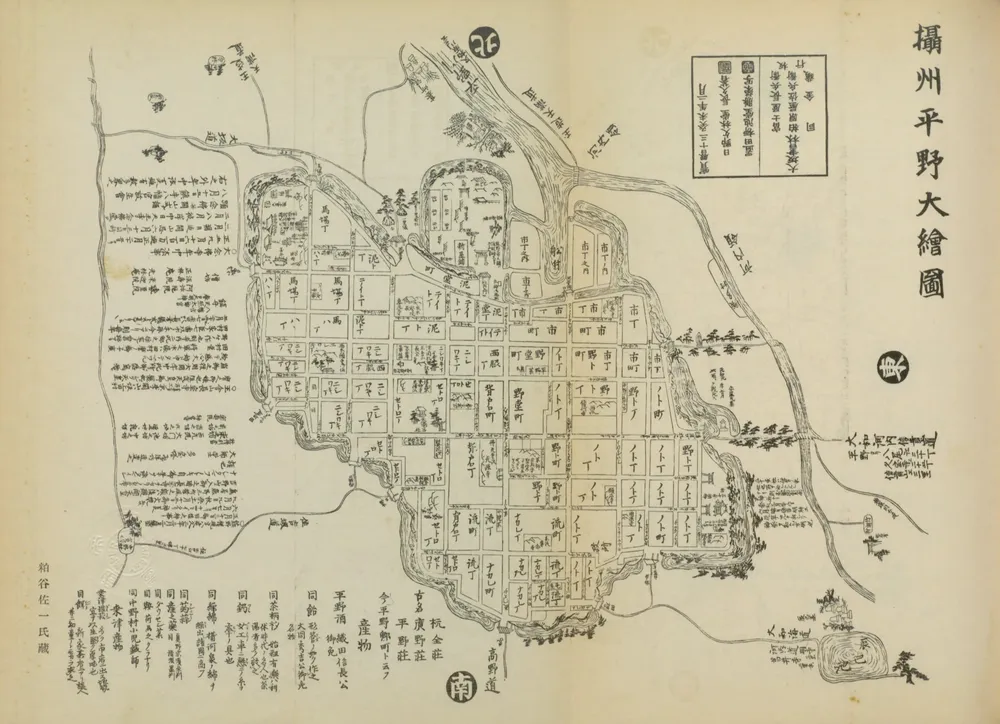
On the southeast side of Osaka, Hirano used to be independent from Osaka. It was a moated, commercial city, nationally known as Cotton City. Today, the Hirano Old City, also called as Hirano-gō area is known as one of the oldest urban areas in Osaka, and preserved old townscape. The city name of Hirano originates from Sakanoe no Hironomaro, a nobleman who developed the area. Now Hirano is known as the festival city. Hirano-gō Summer Festival (まつり) which was begun over 1,300 years ago, is the largest danjiri festival in Osaka, so it attracts as many as 300,000 visitors from across Osaka.
Getting there
By train Tanimachi Line and Yamatoji Line cross through this district. Osaka Metro Hirano Station and JR Hirano Station are completely separate stations about 1.5 kilometers apart. From Kansai International Airport, please take a JR Haruka or Kansai Airport Rapid service to Tennoji, and change to either of the two lines via Hirano. The routes from Shin-Osaka Station are shown below.
Metro lines The total journey takes approximately 35 to 40 minutes and costs ¥340.
(Via Tennoji Station) Stay on the Midosuji Line until Tennoji Station (22 minutes), then transfer to the Tanimachi Line bound for Yao-minami and ride to Metro Hirano Station (9 minutes). This transfer is entirely within the same station complex and less confusing for first-time visitors than navigating Umeda. (Via Umeda) Ride the Midosuji Line to Umeda Station (7 minutes). From there, you must exit the gates and walk through the underground shopping complex for approximately 10 minutes to reach Higashi-Umeda Station on the Tanimachi Line. Take the train bound for Yao-minami to Metro Hirano Station (18 minutes).
JR Lines From Shin-Osaka Station, two primary routes are available and the total travel time ranges from 35 to 45 minutes, and the standard fare is ¥320.
(Via JR Osaka Higashi Line) Take the JR Osaka Higashi Line directly from Shin-Osaka to Kyuhoji Station (30 minutes). At Kyuhoji, switch to a JR Yamatoji Line local train bound for JR Namba and ride just one stop back to Hirano Station (3 minutes). (Via JR Yamatoji Line) Take the JR Kyoto Line to Osaka Station (4 minutes), transfer to the Osaka Loop Line (or a Yamatoji Rapid Service) to Tennoji Station (15 minutes), and then transfer to a local train on the JR Yamatoji Line to Hirano Station (6 minutes).
See
1 Kumata Shrine (approximately 5 minutes on foot south-east from JR Hirano Station), ☏ +81-6-6791-0446. Open daily, daytime hours for the main shrine grounds.. Established in 861 (Jogan 3), this ancient Shinto shrine serves as the guardian of the Hirano Old City. It is also famous for its dynamic summer festival called Hirano-gō Summer Festival held annually in July, featuring traditional Danjiri float processions. Free. 2 Hirano-gō Summer Festival (り). The largest danjiri festival in Osaka, and among summer festivals it ranks second only to the Tenjin Festival in scale. Rooted in the Heian-period “Gion-e” tradition, which shares its origins with Kyoto’s Gion Festival, it attracts as many as 300,000 visitors from across Osaka to experience the raw energy of the danjiri floats and the sacred dignity of the mikoshi procession. Held July 11–14. 3 Senkō-ji Temple, ☏ +81-6-6791-2680. 09:00-17:00. A temple of the Koyasan Shingon sect, traditionally said to have been founded by Prince Shotoku in the early 7th century. It is widely renowned for its interactive "Jigoku-do" (Hell Hall), which provides a vivid, visual depiction of Buddhist purgatory and judgment to teach the consequences of bad actions. The temple grounds also feature a small museum dedicated to retro snacks and toys from the Showa era. Free for the main temple grounds (¥100 entry fee for the Hell Hall). 4 Dainenbutsu-ji Temple, ☏ +81 6-6791-0026. Temple grounds/gate: 06:00–17:00; main hall viewing: 09:30–16:30 (closes 17:00). Free admission.. The head templesōhonzan of the Yūzū-Nembutsu sect. Its massive wooden main hall (hondō) is the largest wooden building in Osaka Prefecture and a registered tangible cultural property.It is famous for the spectacular Manbu Onenri (おねり) festival (early May 1–5), featuring a grand procession of 25 bodhisattvas, music, and dance — designated an Osaka City Intangible Folk Cultural Property. Free.
Do
1 Hirano Old City. A rare surviving example of a medieval moated city that was rebuilt in the early Edo period with a grid-patterned layout. While most of the moats were filled in during modern urban development, the district preserves its historical atmosphere through its orderly grid of streets lined with traditional Edo-period machiya and numerous historic temples and shrines. 2 Kire Moated Settlement. Explore Osaka City's best-preserved moated settlement. This townscape retains the traditional form of a moated settlement dating back to the Middle Ages. Hirano "Machigurumi" Museum (ぐるみ). Town-wide ecomuseum network started in 1993; the walk between the 16 museums is part of the experience. Internationally recognized as one of Japan's pioneering ecomuseum initiatives, it is organized entirely by local residents, with no government involvement. 3 Katana Museum (かたなの). Small sword museum attached to Masumian, with displays and sword polishing demonstrations. Free. 4 Cotton City Museum (とくらし). Museum in the kura of the registered Ebisui House, showing tools used in yarn production. Free.
Buy
1 Hirano Hommachi Dōri Shopping Arcade. Retro covered shopping street in the Hirano Old City. 2 AEON Kire-Uriwari (イオン). The largest shopping centre in Southeast Osaka, at Kire-Uriwari Station, with a supermarket, specialty shops, and food court.
Eat
1 Ganko Hirano-gō Yashiki (がんこ), 1-3-19 Kamikuratsukuri, Hirano-ku. Japanese restaurant in a 400-year-old merchant house, with a garden and a small living-culture museum attached.
Overview adapted from Wikipedia, travel guide fromWikivoyage (CC BY-SA). Photography via Wikimedia Commons.