
Harajuku
Japan · Asia
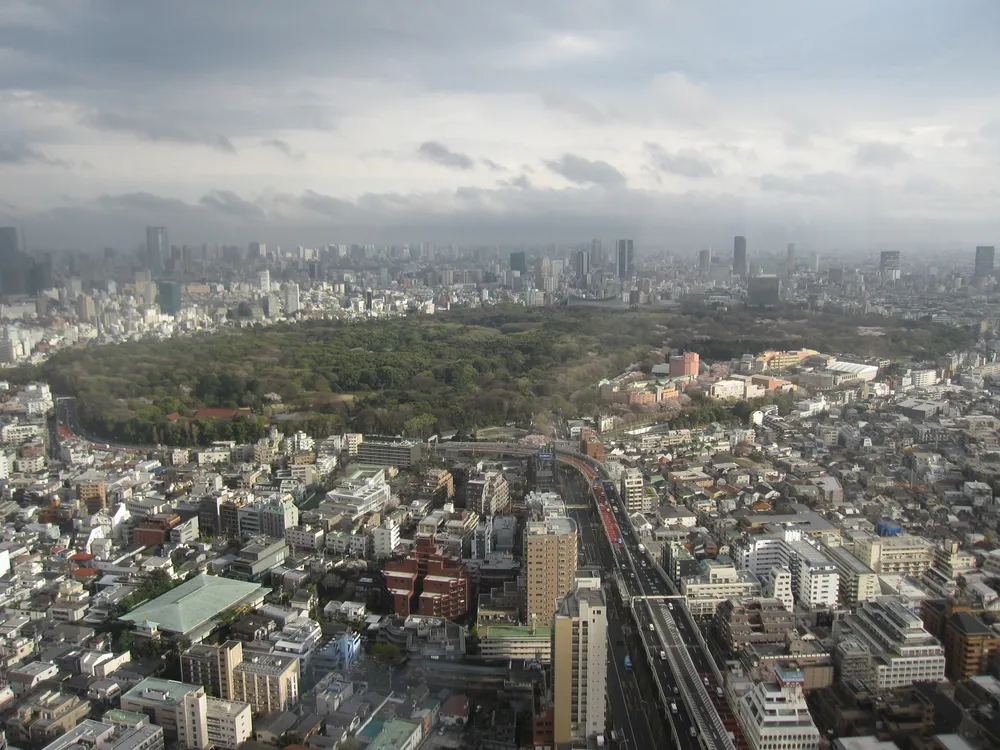
About Harajuku
For the fashionable teenager, spending time in Harajuku on the weekends is practically a necessity. Older folks will want to visit too, to see Meiji Shrine (Meiji Jingū) and Yoyogi Park.
Harajuku travel guide
Understand
The broad, tree-lined avenue leading downhill from the southern end of the JR station is Omote-sandō, which leads to the upscale Aoyama district. The street is full of cafes and clothing stores. For teenagers, though, the place to be is Takeshita-dori, which is a bustling narrow street several blocks to the north. Nearby Yoyogi Park (Yoyogi-kōen) was the site of the first successful powered aircraft flight in Japan, on December 19, 1910, by Captain Yoshitoshi Tokugawa, following which it became an army parade ground. During the postwar occupation, it was the site of the Washington Heights residence for U.S. officers. It later was selected as the site for the 1964 Tokyo Olympics, and the distinctive Olympic buildings designed by Kenzo Tange are still nearby. In 1967, it was made into a city park. Today, the park is a popular hangout, especially on Sundays, when it is used as a gathering place for people to play music, practice martial arts, etc. The park has a bike path, and bicycle rentals are available. As a consequence of Japan's long recession, there are several large, but surprisingly quiet and orderly, homeless camps around the park's periphery.
Getting there
By train JR Harajuku Station on the Yamanote Line is the obvious way to get to Harajuku. The station is next to the entrance to Meiji Shrine and to the beginning of Omote-sandō.
By subway Meiji-jingu-mae Station (on the Chiyoda and Fukutoshin subway lines) has exits onto Meiji-dori and right in front of the entrance to Meiji Shrine, next to JR Harajuku Station. The subway is better than JR for getting here from central Tokyo, but the Yamanote Line is easier if you are coming from Tokyo Station. The nearby Omotesando Station (on the Ginza and Hanzomon subway lines) is further down Omote-sandō near the intersection with Aoyama-dori. Omotesando station has a variety of boutiques and restaurants in the underground station complex named Echika Omotesando.
On foot Harajuku is 15 minutes away from Shibuya by foot, just follow the train tracks along Koen-dori from the scramble crossing. (You should pass Tower Records on your right and the Yoyogi National Gymnasium on your left.) If you have more time, see the suggested walking tour below.
See
Youth culture
If it's Harajuku's youth culture you want to see, don't even bother unless it's a Sunday. Each group stakes out its territory around Yoyogi Park (Yoyogi-kōen). Keep in mind that Harajuku is well known worldwide, so many tourists show up on Sundays. Best to be a bit early to avoid being stuck between big tourist groups.
The bridge across the train tracks sometimes has teenagers dressed up as Gothic Lolita and other extreme Japanese youth fashions. Besides just hanging out with friends, many come here to be snapped by the magazine photographers who mingle. Unfortunately, as of lately, the police seem to be cracking down on loitering, so they are becoming increasingly rare. Over by the entrance to the park, people with greased hair listen to rockabilly music and dance in their vintage jeans. This subculture has been around since the early 1980s. The sidewalks along the south side are usually occupied by junk vendors and loud rock bands. Both of these groups periodically get swept away by police crack-downs, though. The tree-lined area leading from the south end of the park to Shibuya is filled with all sorts of street performers, mostly folk-pop singers, but also including hip-hop dancing and street theater.
Shrines
1 Meiji Shrine (Meiji Jingū). Tokyo's grandest Shinto shrine, built in 1920 to commemorate the late Emperor Meiji, who oversaw Japan's rapid industrialization and rise to major world power status in the 19th and early 20th centuries. Like all of Japan's major shrines, it's large in scale but simple in structure, entered via a winding path and through a giant torii gate. On summer weekends you have a very good chance of catching a Japanese wedding in progress here; the shrine is also packed on New Year's Eve when people come here to celebrate the new year. An excellent place for those who wish to experience an oasis of tranquility among the hustle and bustle of the rest of the area. Also a popular and less controversial alter
Do
Walking tour: Harajuku to Shibuya via Omote-sando An interesting and recommended walk will let you experience Harajuku and Shibuya, and all of the trendy places in between. Starting from the Takeshita exit of JR Harajuku station, walk straight away from the station down Takeshita-dori (り), where you will almost certainly run into the mingling pedestrian crowds. When you reach the first major crossroad, Meiji-dori (り), turn right. When you reach the tree-lined Omote-sandō, turn left. Omote-sandō is home to the highest of high-fashion stores, including Ralph Lauren, Coach, and Yves St. Laurent. The approximate half-way point is where Omote-sandō meets Aoyama-Dori (り). There is very little of interest beyond this point, so one option is to walk back down Omote-sandō and return to Harajuku. If you elect to go forward then turn right on Aoyama-Dori and you will eventually pass United Nations University on your right, and Aoyama Gakuin University on your left, before continuing down and finishing up at Shibuya's world-famous pedestrian crossing. Allow yourself approximately two hours for this walk.
Bicycling Yoyogi Park (Yoyogi-kōen). Has a bike path and bicycle rentals are available.
Salons Harajuku and Omote-sandō are home to many upscale beauty salons, with prices to match.
VIRGO, 2-32-3 Jingumae (near the BEAMS Harajuku branch). Actresses and models sometimes use this salon.
Buy
Harajuku has two major shopping streets, which couldn't be more different to each other: Takeshita-dōri and Omote-sandō. The 1 Takeshita-dōri (り) targets teens and preteens. This street is guaranteed to fill any adult's Hello Kitty quota in milliseconds. Lately it's been nudging towards an older age bracket though, and now also caters to angsty teens looking for frilly Victorian "Gothic Lolita" clothing or black lipstick. Runs from just outside the Takeshita exit of JR Harajuku station down to Meiji-dori. Second is 2 Omote-sandō, a tree-lined upscale shopping street appealing to adult, or at least more expensive, tastes. It is sometimes compared to Champs-Élysées in Paris. Runs from JR Harajuku station towards Aoyoma, with the most expensive stores clustered towards the eastern Aoyama end.
3 Harajuku-SoLaDo (ソラド), 1-8-2 Jingumae, ☏ +81 3-6440-0568. M-F 11:00-21:00, Sa Su 10:30-21:00. Shopping center in Harajuku with 11 clothes shops. 4 Kiddy Land, 6-1-9 Jingumae. A huge toy store on Omote-sandō, near the entrance to Cat Street. 5 Laforet Harajuku, 1-11-6 Jingumae, ☏ +81 3-3475-0411. Daily 11:00-20:00. A large shopping mall owned by the same company that runs Omotesando Hills, but targeting a decidedly younger audience. In summer and winter, they have big sales. 6 Omotesando Hills, 4-12-10 Jingumae, ☏
Overview adapted from Wikipedia, travel guide fromWikivoyage (CC BY-SA). Photography via Wikimedia Commons.