
Darién National Park
Panama · Americas
About Darién National Park
The Darien National Park is the largest national park in Panama and one of the most extensive in Central America, known for its incredible biodiversity and remoteness. Located in the eastern province of Darien, it has been designated as a UNESCO World Heritage Site and Biosphere Reserve.
Darién National Park travel guide
Understand
Darien National Park was established in 1980 and covers approximately 5,750 km². It includes a wide variety of ecosystems, such as tropical rainforests, mangroves, beaches, and mountain ranges. The park’s remote location has helped preserve its natural richness and cultural heritage. The region is home to indigenous communities such as the Emberá and Wounaan, who have maintained their traditions, language, and connection to the environment. The park is also part of the Darién Gap, a dense jungle that acts as a natural break in the Pan-American Highway between Panama and Colombia.
History For thousands of years, the Darién region has been inhabited by indigenous peoples who adapted to the rainforest environment. During the colonial era, the area was the site of several failed European settlements due to its harsh conditions and resistance from local inhabitants. In the 20th century, the ecological and cultural value of Darién led to its designation as a protected area.
Landscape
Ecosystem The park hosts one of the highest levels of biodiversity in Central America, with species from both North and South America.
Flora and Fauna
The dominant vegetation is tropical rainforest, with trees over 40 meters tall. Notable plant life includes:
Ceiba and cuipo trees, and mountain almond in lower elevations. Oaks and Caribbean pine in higher regions of the Darién Mountains. Palms, giant ferns, wild orchids, and epiphytes covering the forest canopy. Over 169 species of mammals, 600 species of birds, 99 reptiles, and numerous amphibians and insects have been recorded. Key species include:
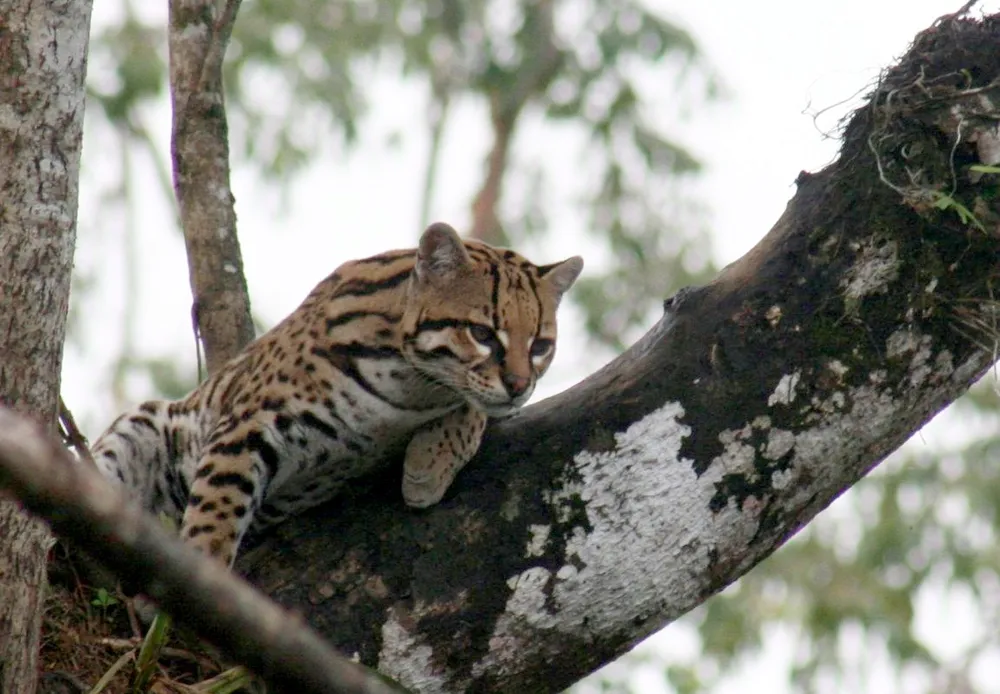
Jaguar, Central American tapir, howler monkey, puma, white-lipped peccary. Harpy eagle (Panama’s national bird), scarlet macaws, toucans, hummingbirds. Boa constrictor, green iguana, spectacled caiman, poison dart frog. Various butterflies, beetles, and tropical insects. The park serves as a refuge for endangered species and a vital biological corridor between the two continents.
Getting there
Reaching the park is challenging, which has helped protect its ecosystem. Options include:
By road: Drive from Panama City to 1 Yaviza, the end of the northern part of the Pan-American Highway (6–8 hours). By air: Flights to 2 El Real or 3 La Palma. From these towns, continue by river transport (canoe or boat) with local guides.
Getting around
There are no roads inside the park. Transport is primarily by:
Canoe along the Tuira, Balsas, or Sambú rivers. Hiking on rustic trails maintained by indigenous communities or park rangers. A certified guide is essential for safe navigation.
See
Untouched rainforest: One of the largest in Central America. Wildlife: Jaguars, tapirs, harpy eagles, and more. Indigenous villages: Cultural visits to Emberá and Wounaan communities. Darién Mountains: Peaks like 1 Cerro Tacarcuna (1; 875 m). Mangroves and coastal ecosystems.
Do
Hiking: Guided jungle treks to viewpoints. Birdwatching: Over 600 bird species recorded. Cultural ecotourism: Learn traditional medicine, crafts, and dances. Artisanal fishing: Supervised by locals.
Buy
There are no shops inside the park, but in nearby communities you may find:
Indigenous crafts: baskets, wood carvings, traditional textiles. Natural products: honey, medicinal plants, local fruits.
Sleep
Accommodations are rustic:
Campsites organized by tour operators. Community houses in indigenous villages. Scientific research stations (with prior permission). Bring a flashlight and sleeping bag.
Go next
Los Katios National Park – Located in Colombia, this protected area borders Darién National Park and shares similar ecosystems. Although it forms part of the same biogeographical region, crossing between the two parks is not permitted and is not recommended due to safety concerns in the border area.
Overview adapted from Wikipedia, travel guide fromWikivoyage (CC BY-SA). Photography via Wikimedia Commons.