
Cape Breton Island
Canada · Americas
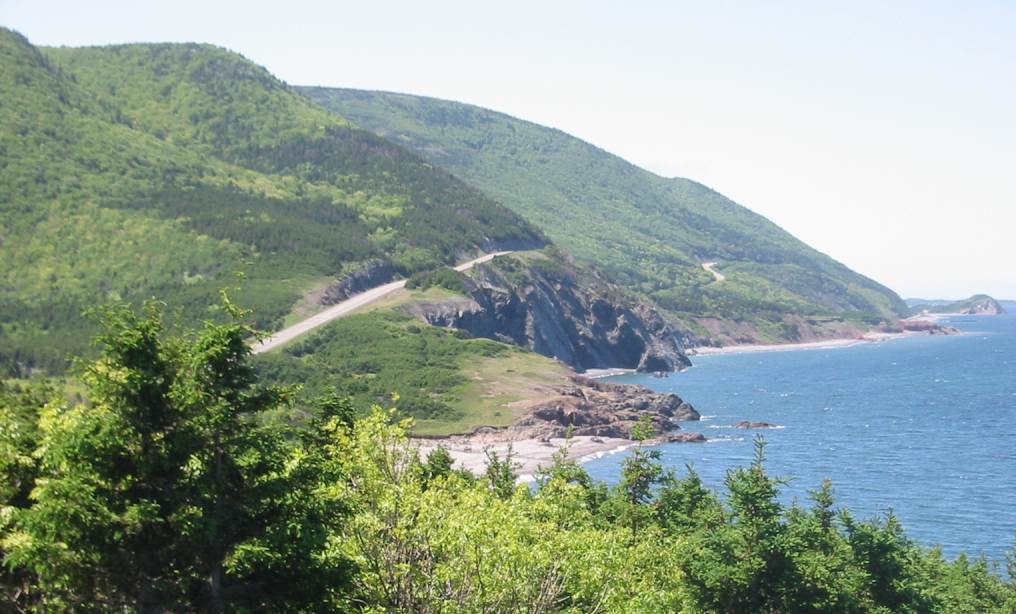
About Cape Breton Island
Cape Breton Island is the northernmost island in Nova Scotia. It is a beautifully rugged island, populated by the descendants of Scottish immigrants, by Acadians, and by the Indigenous Mi'kmaq people. The island is known for its traditional fiddle music, and flourishing Celtic culture.
Cape Breton Island travel guide
Understand
Cape Breton Island was a separate colony until 1820 when it was merged into Nova Scotia against its will. It is the only place in North America where Gaelic is still spoken, a legacy of the large immigration (about 50; 000) from the highlands of Scotland in the first half of the 19th century. There are also pockets of French, remnants of the Acadian history described in the Longfellow epic poem "Evangeline", in towns such as Margaree and Chéticamp and on Isle Madame. With 5 Mi'kmaq communities in Cape Breton (4 are around the Bras d'Or Lake) there is a strong island identity and sense of community, which increasingly unifies the Mi'kmaq population of the island. The island has consistently lost industrial investment and jobs in the past ten years. However, the closing of the coal and steel industry coupled with the presence of the Cape Breton Highlands National Park, which buffers the pristine northern half of the island from its more commercialized southern half, have no doubt contributed to the island's very positive ratings for ecological stewardship and spectacular scenery. An excellent reference site for the incredibly beautiful northern tip of Cape Breton can be found at the "Top of the Island" site.
Getting there
By car The most common way to get into Cape Breton is by car via the Trans-Canada Highway (Hwy 104) at the Canso Causeway from mainland Nova Scotia. Cape Breton is approximately 12½ driving hours from Boston, 14 from Hartford and 16 from New York City.
By bus Maritime Bus runs between Truro and Sydney with onward connections to much of New Brunswick and Nova Scotia. Shuttle service is provided between Halifax and Sydney and environs by several companies who travel at various times throughout the day. Excellent value.
By plane Cape Breton Island is served by Sydney Airport (YQY IATA).
Getting around
Cape Breton is most accessible by car. The main roads are the Trans-Canada Highway (Hwy 105) and Highways 104 and 4, which connect Sydney on the east coast with the causeway to the mainland on the west. Highway 125 forms a ring freeway around Sydney, connecting Highways 105, 4, 22 and 28. You can rent a car in Sydney if necessary. Like any place, you see more if you get off the main road, and the Nova Scotia government has been helpful in this regard by creating a number of scenic drives. These include the:
Cabot Trail - mountainous, windy and sometimes foggy, this drive alternates between hugging the ocean and crossing the rugged Cape Breton Highlands. Considered one of the top drives in North America, it should be considered more a destination than a drive for the variety of activities available around this 400-km (190-mile) loop. Fleur-de-Lis Trail - covers the southern French-influenced part of the island. Ceilidh Trail - covers the western part the island with its strong Scottish influence. Bras d'Or Lake Scenic Drive - follows the shoreline of Bras d'Or Lake. Road maps and additional information on the island is readily available at any tourism information centre (located at entry points and any major towns and cities) and a number of private operators offer trip planning services.
A more adventurous option to get around the island is to cycle. The roads tend to be narrow and windy, so prior experience is recommended. Bike rental and trip planning are available through Sea Spray Outdoor Adventures. Hiking trails abound in Cape Breton Highlands National Park, and the above-mentioned Sea Spray Outdoor Adventures offers guided hikes to little-known remote areas north of the national park. Regardless of your mode of travel, watch out for moose on the roads. There are many small cable ferries between the islands. They usually go every few minutes and charge $5. Salty Bear Adventure Travel - an excellent alternative to renting a car, Salty Bear offers budge
See
Cape Breton is noted for its unique and vibrant traditional Scottish violin music incubated by its relative isolation over the years- so much so that music lovers from Scotland come here for a taste of their own past. Typically a duo of violin and piano play hearty dance music that can be seen at community halls throughout the island. The early-evening tourist-targeted concerts are well advertised; later at night you can find ones that draw the entire local community. Some of the most important musical centres are Judique, Margaree Valley and Chéticamp. The island ranked second in the world in a National Geographic study of ecotourism conducted in 2002 and 2003. Cape Breton Highlands National Park. The Cabot Trail runs through the national park. There are many short hiking trails starting along the Cabot Trail. Scenery is a major reason to visit Cape Breton. Plan to stop along the many spectacular lookoffs on the Cabot Trail - this will lengthen your travel time between destinations. Since the Cabot Trail is more a destination than a drive, visitors seeking to truly experience this environmental masterpiece should plan on staying a minimum of two days in the villages around the Trail. A number of private operators offer trip planning services to assist visitors in taking advantage of the best attractions both on and off the Trail, some offering all-inclusive multi-day packages. The Fortress of Louisbourg is a reconstruction of the 18th-century fortified French town whose presence plagued the British colonies of New England. Its busy harbour was once one of France's most significant economic and military assets in North America. If you enjoy the colonial restoration at Williamsburg in the United States, don't miss Louisbourg. The Bras D'Or is a brackish lake with unique ecological characteristics, and some islands in that lake are sacred to the Mi'kmaq.
Bay St. Lawrence and Meat Cove are two scenic fishing villages featuring whale tours, fresh seafood and unique acc
Do
There are eight golf courses scattered about the island that will challenge even the most discriminating among you. The views planes alone are worth the walk: coastal links, highland links, and several of the Bras d'Or Lakes. The east side of the island have some of finest beaches in the world but without the crowds. Hiking or lounging are the favourite activities as the water is never very warm. You'll see sea birds, shore birds, seals and surf with nothing between you and Africa but water. The Celtic Colours Festival spans hundreds of events across dozens of towns in early-to-mid-October. The music options at Celtic Colours are not solely Celtic but include folk and some Acadian Zydeco (Acadeco) and jazz, and world music. Take a whale watching tour: there are boat tours along the coast from Cheticamp north and around to Englishtown. Sighting of whales is almost guaranteed, especially at the northern tip of the island. Tours takes two hours or more, and the scenery alone is worth the price. Oshan Whale Cruises and Captain Cox's Whale Tour operate at the northern tip of the island. Many people think that biking the Cabot Trail is the best way to see it. F
Overview adapted from Wikipedia, travel guide fromWikivoyage (CC BY-SA). Photography via Wikimedia Commons.