
Calakmul Biosphere Reserve
Mexico · Americas
About Calakmul Biosphere Reserve
The Reserva de la Biósfera de Calakmul is in the state of Campeche in the Yucatán Peninsula. With more than 720,000 hectares under protection, it is Mexico's largest intact tropical forest. The Biosphere Reserve completely encompasses the large Calakmul archaeological site--a major city-state of the Maya civilization.
Indigenous peoples who live in and around the reserve are involved in agriculture, raising cattle, forestry, and the harvest of chicle, the naturally produced substance used to make chewing gum (the Chiclet brand takes its name from its base ingredient). Principal crops include corn, beans, squash, and chile peppers. Farmers also raise bees for honey, and the honey from this region is especially prized.
The biosphere reserve and the archaeological site together constitute a UNESCO World Heritage Site.
Calakmul Biosphere Reserve travel guide
Understand
The Tropical Jungle
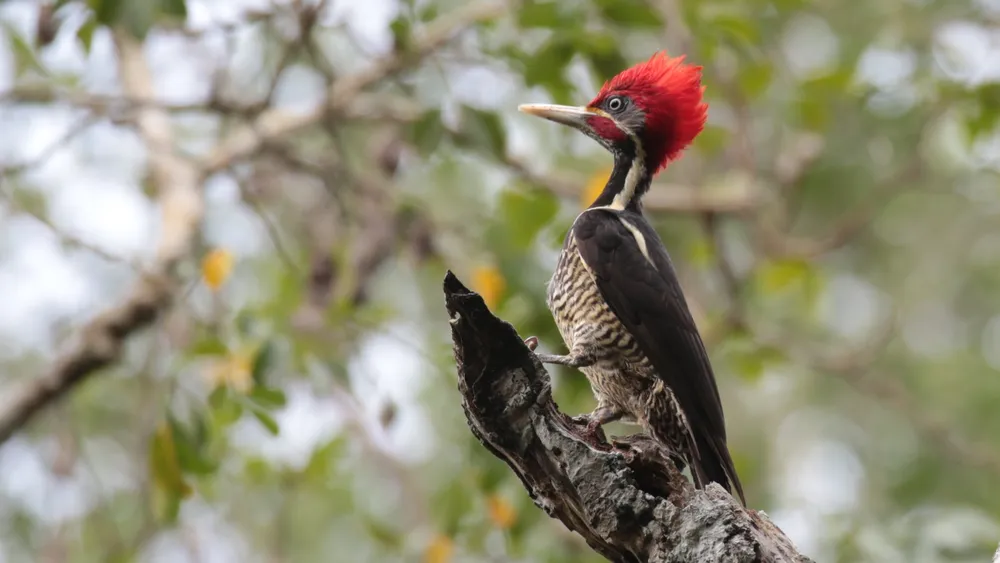
Calakmul is the second-largest tropical forest in the Americas (after the Amazon). Most of the biodiversity of Earth is in the tropics, and the purpose of the biosphere reserve is to conserve an entire ecosystem of jungle and tropical forest. Calakmul has a huge variety of native species: around 250 species of trees, 500 species of butterflies, more than 30 species of amphibians, more than 100 species of reptiles, more than 280 species of birds, and more than 100 species of mammals. Approximately half of these species are endangered or threatened to a degree that they require environmental protection. The reserve is threatened by loss of habitat, loss of biodiversity, and population growth in the region around the reserve. Other problems include illegal trafficking in tropical woods and forest resources, fires associated with agricultural activities, and introduction of invasive species. One of the biological consequences of Route 186 has been a tendency to interrupt genetic flow within the reserve, isolating populations north and south of the highway.
A millennium has passed since Calakmul was at its peak, but naturalists still see signs of past human impact on the forest's native vegetation. The forest bears signs of long-term application of traditional Maya practices of species selection and regeneration, similar to those in use by Maya communities of the modern era. When you visit Calakmul, even if you just stay within the archaeological site, you'll hear the constant jungle chatter of birds, monkeys, and other forest creatures. You'll almost certainly see two or three kinds of monkeys, since they're generally curious about humans and like to check you out from their treetop perches. Most of them are howler monkeys, but there are lots of spider monkeys as well. If you're lucky, you'll spot the brilliantly colored long tail of a quetzal in the treetops, but you're more likely to spot a few toucan. You might hear the roar of a big jungle ca
Getting there
Nearby towns include Zoh Laguna and Xpujil. The southern Yucatan is traversed by a well-maintained, paved highway, Mexico's Federal Route 186, but most roads in the reserve are seasonal tracks, passable only in the dry season and with a proper vehicle. Calakmul is remote with little supporting tourist infrastructure. The best way to visit Calakmul is to rent a car and drive there. Highways in the area are good with light traffic. If you have a car, Calakmul is a very easy place to visit. If you don't, it's moderately difficult as you need to travel to Xpujil and then arrange something there. From Xpujil, the easiest way to get to Calakmul is to hire a taxi for the day. Drivers will charge about M$1500 (US$75), but it's a long drive to the park entrance, a longer drive from the entrance to the archaeological site, and then the driver will need to wait at least 3 hours while you explore the site before making the long drive back to Xpujil. It might seem like a lot of money for a taxi, but the driver is earning it. If you don't have a car, it is possible to get to the main entrance of the Calakmul Biosphere Reserve by bus, but from there it is a 60 km drive on park roads to get to the archaeological site. (You can usually get transportation by hitchhiking from the park entrance into the reserve). Catch the bus in Xpujil (first one leaving at 05:30 am) and tell the driver you want to get out at the Calakmul National Park.
Getting around
There is one road into the biosphere reserve from the main entrance. It is 60km from the entrance to the archaeological site, all of it through undeveloped jungle on a secondary road. Buses go past the main park entrance, but there are no buses inside the park. You may be able to catch a taxi at the park entrance or at the small parking lot in the archaeological site. Otherwise, anywhere you go, you walk.
See
One of the most impressive Maya sites in Yucatan, Calakmul includes the second highest pyramid after El Mirador (Guatemala). Very nice ruins in the jungle. Monkeys, deer, and other animals can be seen. An under-rated site to be discovered. Bring tons of repellent: mosquitoes are very aggressive there.
Do
Ka´an Expeditions, Ejido Valentín Gómez Farías (5km west of Xpujil), ☏ +52 5554515793, +52 9831196512. 24/7. Day tours and camping tours to the Calakmul archaeological site and biosphere reserve. Certified bilingual nature guide. Small and personalized groups only.
Buy
This isn't a commercialized site. Anything you want to buy you'll have to get outside the park.
Eat
This isn't a commercialized site. Anything you want to buy you'll have to get outside the park. Bring food with you.
Drink & nightlife
This isn't a commercialized site. Anything you want to buy you'll have to get outside the park. Bring water with you.
Sleep
Lodging is not available within the biosphere reserve. You can get a room for the night in Xpujil or Chicanna. There are also some local campgrounds where you can sleep in a tent.
Go next
There are several busses passing by the entrance of the park going toward Chetumal or Escarcega (one is passing around 3pm - waive at the bus) and then connections can be made to Campeche Villahermosa and Palenque
Overview adapted from Wikipedia, travel guide fromWikivoyage (CC BY-SA). Photography via Wikimedia Commons.