
Buan County
South Korea · Asia
About Buan County
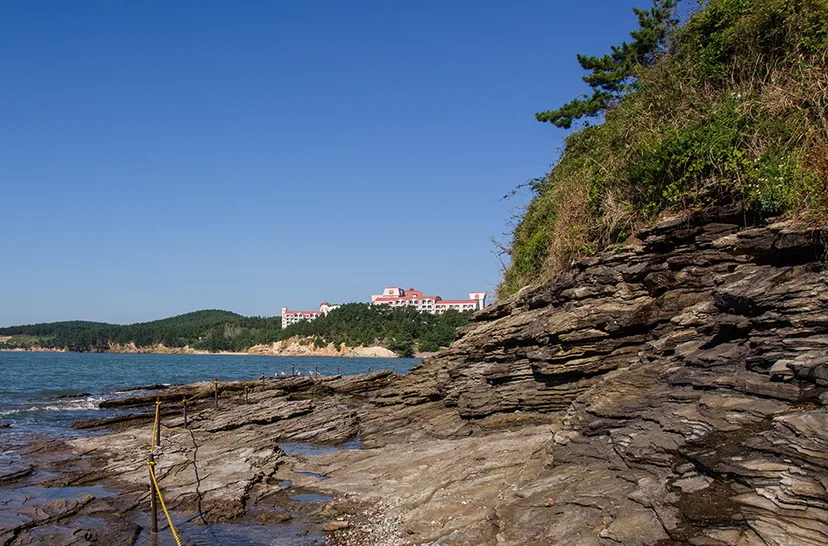
Buan is a scenic county in North Jeolla Province (Jeollabuk-do), South Korea, known for its harmonious blend of coastline, mountains, and cultural heritage. The area is celebrated for its natural beauty, tranquil beaches, and historical sites, making it a popular destination for both relaxation and exploration.
Buan County travel guide
Understand
Buan offers a compelling mix of natural environments. To the west, the county meets the West (East China) Sea, providing a rugged coastline ideal for marine tourism. In contrast, Buan's eastern side extends into the highly fertile Honam Plain, historically a key agricultural region. This geographical diversity is highlighted by Byeonsanbando National Park, which covers much of the area. The park uniquely combines dramatic mountain scenery featuring sites like the ancient Naesosa Temple and Jikso Falls—with beautiful coastal beaches. While most tourist attractions are concentrated on the scenic Byeonsan Peninsula, the administrative and commercial core remains the inland town of Buan-eup.
Orientation Buan County is typically divided into areas based on their geographical and tourist appeal Byeonsan Peninsula Area This region stretches along Buan's western coast and is the core of Byeonsanbando National Park. It is home to the magnificent coastal cliffs of Chaeseokgang, the tranquil temple of Naesosa, and the Gomso area, famous for its jeotgal and salt pans. This is the prime spot for tourists seeking nature, scenic views, and sea swimming. Buan-eup Area This is the administrative and commercial heart of Buan County. Major markets and cultural facilities are concentrated here, making it convenient for travelers to find accommodation or purchase necessities.
History Buan was a stronghold for the Baekje revival movement and a major kiln site that produced superb Goryeo celadon ceramics. However, the region's most iconic historical moment was in 1894, when it served as a key base (Baeksan) for the Donghak Peasant Revolution, a major folk uprising in the late Joseon Dynasty. Today, Buan welcomes travelers by preserving this turbulent past and its stunning Yellow Sea natural scenery as a UNESCO Global Geopark.
Climate Buan's climate, like that of nearby Gunsan and Mokpo, exhibits characteristics of a temperate climate influenced by the West Sea.
Getting there
By bus 1 Buan Bus Terminal, Seokjeong-ro 208, ☏ +82 1666-2429. To reach Buan by bus, you can take Express buses that run directly from major metropolitan areas, including Seoul and Gwangju. For shorter distances, Intercity buses provide frequent service from nearby cities within the region, such as Jeonju, Gunsan, and Gimje. (updated Sep 2025)
By train There is no train station within Buan. The nearest station is Gimje Station, about 20–30 minutes to the east. From Gimje, you must take an intercity bus to reach Buan. You can also go to Iksan Station. Upon arriving at Iksan Station, head to the Intercity Bus Transfer Stop immediately outside the station plaza. From here, you can board a bus bound for the Buan Intercity Bus Terminal.
Getting around
By local bus Most major tourist destinations in Buan can be reached by local county buses. All buses depart from the Buan Intercity Bus Terminal, and the fare is inexpensive. However, the intervals between buses are very long, often over an hour, so you must check the timetable at the terminal or ask the driver about the schedule for returning buses.
By bicycle While it is difficult to travel the entire Buan-gun area by bicycle, it is a good option for use around major tourist spots like Gyeokpo Port, Byeonsan Beach, Naeso Temple, Gomso Salt Flats, or along parts of the 'Buan Masil-gil' trail.
Buan-gun Public Bicycle Unmanned rental kiosks are installed at major tourist locations. App-based sharing services are not widely available, so it is best to use the on-site rental systems.
By City Tour Bus A city tour bus operates to conveniently visit Buan's main attractions. Operating days and times differ by course, but they generally run on weekends from April to November.
Buan City Tour Various themed courses are operated, such as a historical/cultural course, a nature/ecology course,and a Masil-gil trail course. Boarding locations are usually near the Buan Intercity Bus Terminal or Buan Station. Seats are limited, so advance reservations are essential via the Buan-gun Culture & Tourism website or by phone.
By taxi It is relatively easy to catch a taxi within Buan-eup but it is common to use a call taxi for outlying tourist destinations. Fares can be high as the distances between attractions are long.
See
Eight Scenic Views of Byeonsan
The Eight Scenic Views of Byeonsan are the eight most famous beauty spots in Byeonsanbando National Park, Buan. They showcase the region's total harmony, blending the majestic mountains featuring waterfalls and ancient temples with the dramatic coastal scenery including Chaeseokgang Cliffs and the spectacular West Sea sunset.
1 Woongyeon Jodae, 36, Gomso 2-gil, Jinseo-myeon. This view captures the serene, peaceful outer coast at Gomso Bay. It highlights the traditional, picturesque scene of anglers fishing (jodae) against the backdrop of the calm sea and the unique salt flats, embodying the relaxed atmosphere of the western shore. (updated Oct 2025) 2 Jikso Pokpo, 52, Silsang-gil, Byeonsan-myeon. The undisputed star of inner Byeonsan, this is the magnificent, 30-meter waterfall that plunges vertically into a deep, emerald pool called Jiksobo. The surrounding valley, complete with clear streams and the legendary Fairy's Bath (Seonnyeotang), makes it a true mountain sanctuary. (updated Oct 2025) 3 Sosa mojong, 243, Naesosa-ro, Jinseo-myeon. The 3rd of the Eight Sights of Byeonsan. 'Sosa' is the former name of Naesosa Temple, and 'mojong' means 'evening bell.' It refers to the scenic beauty and the serene sound of the temple's Dharma bell echoing through the foothills of Naebyeonsan at dusk. (updated Oct 2025) 4 Wolmyeong muae, 236-180, Naebyeonsan-ro, Byeonsan-myeon. The 4th of the Eight Sights of Byeonsan. This name means 'Misty Haze at Wolmyeong.' It refers to the ethereal and dreamlike view of the sea of clouds and mist surrounding the Naebyeonsan mountains, as seen from Wolmyeongam Hermitage, especially at dawn or after rain. (updated Oct 2025) 5 Seohae Nakjo, Byeonsan-myeon, Byeonsan-ro 2100. The most celebrated of the Eight Sights of Byeonsan. This name means 'Sunset Glow over the West Sea,' referring to the grand and spectacular sight of the sun setting over the West Sea, dyeing the ocean red
Do
1 Byeonsan-Bando National Park, San 252-1, Cheongnim-ri, Sangseo-myeon, ☏ +82 63-582-7808. Byeonsanbando National Park is located in Buan-gun, Jeollabuk-do, and is the only peninsula-shaped national park in Korea that harmonizes both mountains and sea. It is divided into Naebyeonsan and Oebyeonsan. It is particularly famous for its beautiful sunset over the West Sea.
Eat
Seafood and local cuisine: Buan’s coastal location means fresh seafood is a highlight, with local restaurants serving up regional specialties.
Overview adapted from Wikipedia, travel guide fromWikivoyage (CC BY-SA). Photography via Wikimedia Commons.