
Bruce Peninsula
Canada · Americas
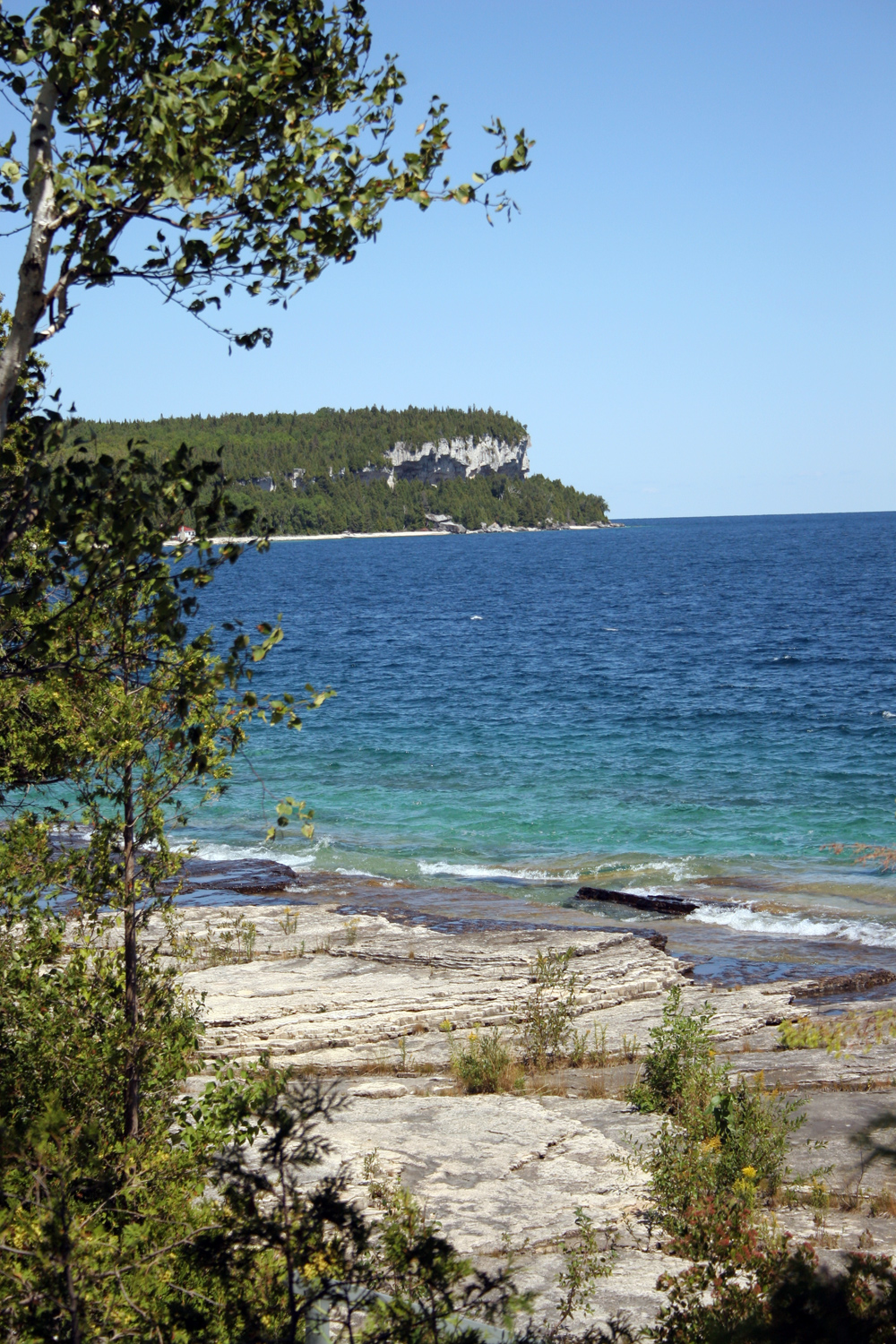
About Bruce Peninsula
Bruce County is a region in Ontario comprising the Bruce Peninsula, 2½ hr north and west of the city of Toronto. The Bruce Peninsula is a finger of land surrounded by the waters of Lake Huron and Georgian Bay from Sauble Beach to Tobermory, and Wiarton to Lion's Head. The Peninsula is part of the Niagara Escarpment and is known for its views, rock formations, cliffs and hiking trails. The Lakeshore includes nearly a hundred kilometers of fresh water and soft sandy beaches.
Bruce Peninsula travel guide
Understand
The county was home to about 68,000 people in 2016. Two First Nations communities make up 6% of the county's population:
Chippewas of Nawash Unceded First Nation Saugeen First Nation (the Chippewas of Saugeen) Parts of Bruce County (including First Nations reserves) are owned by the band.
The peninsula is a popular tourist destination for camping, hiking and fishing. The Bruce Trail runs through the region to its northern terminus in the town of Tobermory. The Bruce Peninsula is a key area for both plant and animal wildlife. Part of the Niagara Escarpment World Biosphere Reserve, the peninsula has the largest remaining area of forest and natural habitat in Southern Ontario, and is home to some of the oldest trees in eastern North America. An important flyway for migrating birds, the peninsula is habitat to a variety of animals, including black bear, massasauga rattlesnake, and barred owl.
History Bruce County was named after James Bruce, 8th Earl of Elgin (Lord Elgin), Governor General of Canada. Until the mid-19th century, the area known as the Bruce Peninsula was territory controlled by the Saugeen Ojibway. At the time of first contact with Europeans, the peninsula was inhabited by the Odawa people, from whom a large number of local native people are descended. Oral history from Saugeen and Nawash suggests their ancestors have been here as early as 7500 years ago. In 1836 the Saugeen Ojibway signed a treaty to cede lands south of the peninsula to the Canadian government in exchange for learning agriculture, proper housing, assistance in becoming "civilized", and for permanent protection of the peninsula. In 1854, the Saugeen Ojibway agreed to sign another treaty – this time for the peninsula itself. In 1994, after decades on increasing First Nations activism, the Saugeen Ojibway filed a suit for a land claim for part of their traditional territory; they claimed breach of trust by the Crown in failing to meet its treaty obligations to protect Aboriginal lan
Getting there
By car The Bruce Peninsula is accessed by several roads. You can reach the Bruce from Highway 26 from the Barrie area, Highway 6 from Guelph or Highway 21 from Sarnia, and Highway 10 and 6 from Toronto.
By bus FlixBus. Seasonal service from Downtown Toronto, Pearson Airport, Barrie, Wasaga Beach, Collingwood, and Owen Sound to Sauble Beach, Port Elgin, and Southampton. (updated Jun 2024)
By plane By plane, the choices are distant: Toronto Pearson International Airport (YYZ IATA) in the north-west corner of Toronto is the nearest major airport, with flights from many domestic and international destinations. Slightly closer, Waterloo Region International Airport (YKF IATA) near Kitchener receives a handful of flights each day.
By train The nearest railway stations with passenger service are in Toronto and Guelph.
Getting around
Roads are mostly rural highways with one lane in each direction. Minor roads are occasionally unpaved.
Go next
From spring to fall, take the Chi-Cheemaun ferry from Tobermory to Manitoulin Island. The trip is about 2 hours.
Overview adapted from Wikipedia, travel guide fromWikivoyage (CC BY-SA). Photography via Wikimedia Commons.