

South Africa
Capital: Bloemfontein · Africa
South Africa is one of Africa's most developed economies, known for its diversity and mineral wealth. At the continent's southern tip, with about 60 million people, it holds rich reserves of gold, diamonds and platinum and is a BRICS member. Its transition from apartheid to democracy under Mandela's leadership is a global model of reconciliation and transitional justice. From Cape Town's stunning coast to its vast wildlife reserves, South Africa is a top travel and eco-tourism destination. As Africa's gateway, it plays a key role in regional economics and international affairs.
South Africa in world rankings
- 23rd largest by population in the world (of 219)
- 26th largest by area in the world (of 219)
- 37th largest economy (GDP) in the world (of 178)
- 97th highest GDP per capita in the world (of 178)
- Capital
- Bloemfontein
- Population
- 62,027,503
- Area
- 1,221,037 km²
- Currency
- rand
- GDP
- $427.2B
- GDP per capita
- $6,598
- Life expectancy
- 66.3 yrs
- Urban population
- 64%
- Calling code
- +27
- Internet users
- 78%
- Forest cover
- 14%
- Languages
- South African Sign Language, Southern Ndebele, Sesotho, Tsonga, Tswana, Swazi
South Africa compared with Taiwan
How South Africa measures up against Taiwan — home to 23.3 million people across 36,193 km².
Countries bordering South Africa


.svg%3Fwidth%3D320)


Latest news — South Africa
More news →South African Police Rescue 200 People from Unlicensed Mpumalanga Rehab Facility
South African law enforcement authorities have rescued approximately 200 individuals from an unlicensed rehabilitation facility operating in the eastern pr
Four Killed and Three Injured in Mass Shooting at South African Memorial Service
Four people were killed and three others injured on Tuesday during a mass shooting at a memorial service in Katlehong, a township located in the Gauteng pr
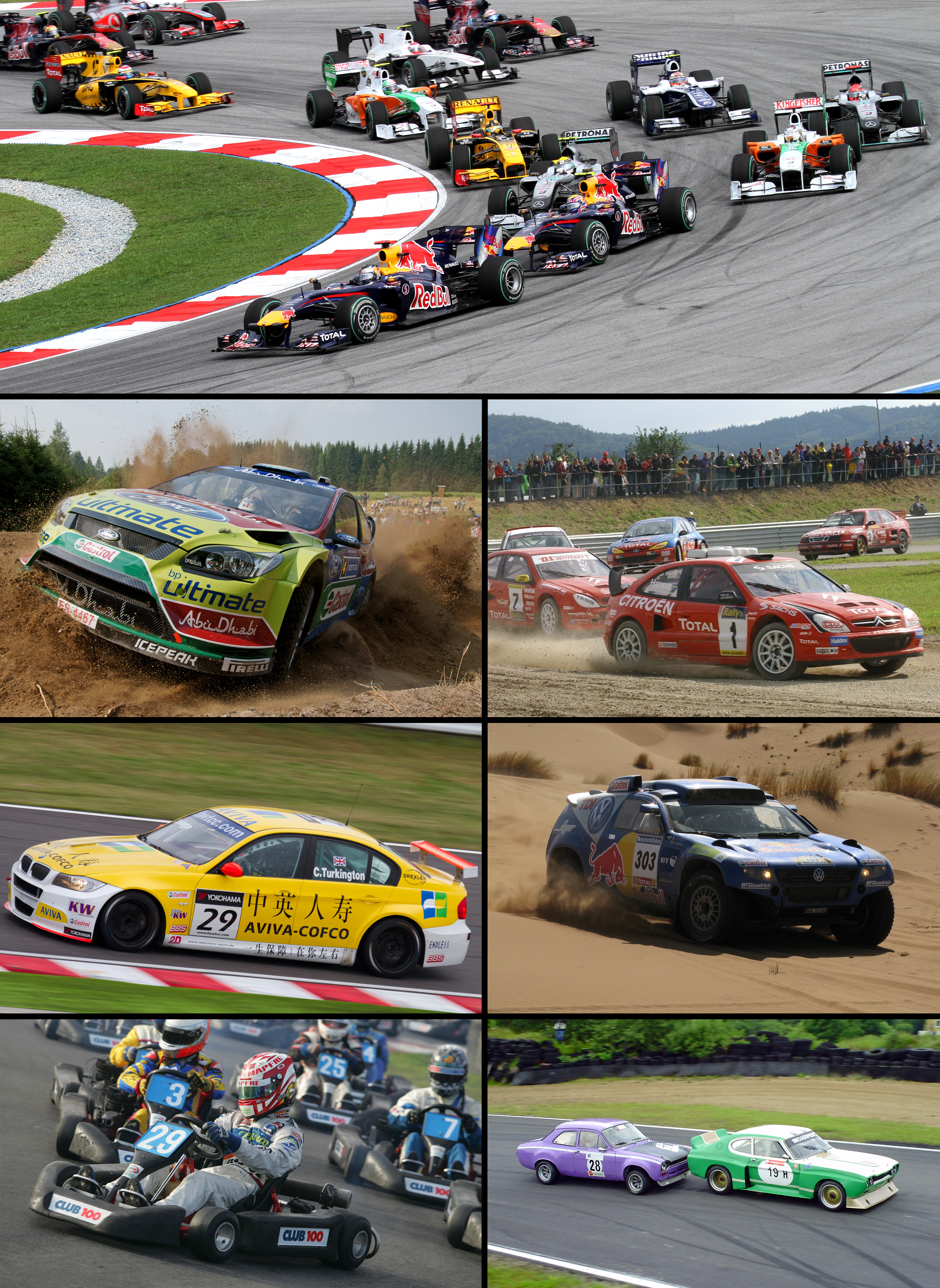
Formula 1 Announces Historic Return to Africa With New Rwandan Grand Prix
Formula 1 has officially announced plans to host a new Grand Prix in Kigali, Rwanda, marking a historic return of the premier motorsport championship to th
South Africa Officially Declares New Grassland National Park to Protect Biodiversity
The South African government has officially declared the newly established Grassland National Park as a protected national park, spanning an expansive 10,2
Plateau State Multi-Vehicle Crash Leaves At Least 20 Dead in Nigeria
At least 20 people have been killed and five others seriously injured following a severe multi-vehicle collision in Nigeria’s Plateau State. Emergency resp
Suspected Boko Haram Gunmen Kill at Least 18 Villagers in Northeastern Nigeria
At least 18 people have been killed in northeastern Nigeria after suspected Boko Haram gunmen opened fire on villagers who were gathering firewood near the
Country profile
Background
Some of the earliest human remains in the fossil record were found in South Africa. By about A.D. 500, Bantu-speaking groups began settling into what is now northeastern South Africa, displacing Khoisan-speaking groups to the southwest. Dutch traders landed at the southern tip of present-day South Africa in 1652 and established a stopover point on the spice route between the Netherlands and the Far East, founding the city of Cape Town. After the British seized the Cape of Good Hope area in 1806, many settlers of Dutch descent -- known then as "Boers," or farmers, but later called Afrikaners -- trekked north to found their own republics, Transvaal and Orange Free State. In the 1820s,…
Location
Southern Africa, at the southern tip of the continent of Africa
Climate
mostly semiarid; subtropical along east coast; sunny days, cool nights
Terrain
vast interior plateau rimmed by rugged hills and narrow coastal plain
Natural resources
gold, chromium, antimony, coal, iron ore, manganese, nickel, phosphates, tin, rare earth elements, uranium, gem diamonds, platinum, copper, vanadium, salt, natural gas
Ethnic groups
Black African 80.9%, Colored 8.8%, White 7.8%, Indian/Asian 2.6% (2021 est.)
Religions
Christian 86%, ancestral, tribal, animist, or other traditional African religions 5.4%, Muslim 1.9%, other 1.5%, nothing in particular 5.2% (2015 est.)
Government
parliamentary republic
Economy
upper-middle-income, largest southern African economy; Government of National Unity facing slow growth, fiscal gaps, and structural challenges; high income inequality, unemployment, and poverty; reforms to address electricity generation, transport, and logistics; leading producer and exporter of critical minerals
South Africa · Travel guide
Understand
If you want to travel in southern Africa then South Africa is a good place to start. While you can fly into any country in southern Africa, most flights will route through South Africa anyway. South Africa is also a good place to get used to travelling in the region. Although some rural parts of South Africa remain among the poorest and the least developed parts of the world and poverty in certain areas of townships can be appalling and squatter camps can grow overnight, progress is being made. The process of recovering from apartheid, which lasted almost 46 years, is quite slow. In fact, South Africa's United Nations Human Development Index, which was slowly improving in the final years of apartheid, has declined dramatically since 1996, largely attributed to the AIDS pandemic, but also due to maladministration and squandering of state resources which led to an increase in the poverty rate and ever-widening income disparity between rich and poor. South Africa boasts a well-developed state and privately funded infrastructure and keeps up to date with all the modern amenities and technologies. National quality standards of construction, roads, technologies, goods manufacture, medicine and hospitals, communications and IT, aeronautics, banking, brokerage and investment, beverage and food chain quality are on a par with the best worldwide. The government is stable, although corruption has become prevalent in certain areas such as immigration officials at land border posts demanding a fee for stamping any passports or home affairs personnel dealing with visas and permits, traffic enforcement officers trying their luck and crime syndicates buying their way out of trouble. Bigger business may bribe high placed government. The government and the primary political parties gener
Getting there
Entry requirements Foreign nationals of the following countries/territories can enter South Africa visa-free:
For up to 90 days: Andorra, Argentina, Australia, Austria, Belgium, Botswana, Brazil, Canada, Chile, Czech Republic, Denmark, Ecuador, Eswatini, Finland, France, Germany, Greece, Iceland, Ireland, Israel, Italy, Jamaica, Japan, Latvia, Liechtenstein, Luxembourg, Malta, Monaco, Mozambique, Namibia, Netherlands, Norway, Panama, Paraguay, Portugal, Russia, Saint Vincent and the Grenadines, San Marino, Singapore, Spain, Sweden, Switzerland, Tanzania (maximum 90 days in 1 year), Trinidad and Tobago, Tunisia, United Kingdom, United States, Uruguay, Venezuela, Zambia (maximum 90 days in 1 year) and Zimbabwe For up to 30 days: Angola, Antigua and Barbuda, Bahamas, Barbados, Belize, Benin, Bolivia, Cape Verde, Costa Rica, Cyprus, Gabon, Guyana, Hong Kong, Hungary, Jordan, Lesotho, Macau, Malawi, Malaysia, Maldives, Mauritius, Peru, Poland, Seychelles, South Korea, Thailand and Turkey Other nations require a visa application to enter South Africa. The country has trialed an e-visa system for the following nationalities with 90-day entry and the obligation to enter through O.R. Tambo International Airport in Johannesburg: Albania, Algeria, Belarus, Bulgaria, Cameroon, Comoros, Republic of Congo, Democratic Republic of the Congo, Côte d'Ivoire, Croatia, Cuba, Egypt, Ethiopia, Ghana, India, Indonesia, Iran, Kenya, Liberia, Lithuania, Mali, Mexico, Morocco, Niger, Nigeria, Oman, Pakistan, China, Philippines, Republic of Guinea, Romania, Saudi Arabia, Senegal, Slovakia, Uganda. Countries not eligible for e-visa must apply for a visa on paper at a South African embassy or consulate. If needed, you can extend your visa in South Africa. With an extension the total amount of ti
Getting around
By plane South Africa has a well-established domestic air travel infrastructure with links between all major centres. There are multiple daily flights to all the major airports within the country. Contact any of the airlines for details. It is worth comparing low cost airlines like Mango with the SAA rates as they usually have online specials which can be cheaper than the "low cost" carriers.
By car
Driving can be a practical way of getting around in South Africa, for instance national parks are some of the country's foremost attractions but they are rarely served by public transport. Visitors hiring or buying a car is fairly common. Major roads are in general in good condition, though South Africa still has a high rate of road accidents. Traffic rules including speed limits are not always respected, and in the countryside animals (wild and domestic) next to or on the road are not an uncommon sight.
By bus There are scheduled bus services between all the big cities (with stops in between), as well as connections to neighbouring countries. The main bus companies are:
Greyhound, ☏ +27 83 915-9000. Intercape Mainliner, ☏ +27 21 380-4400. City to City. (updated Nov 2025) Intercity Xpress. (updated Nov 2025) Smaller services include City Bug and Lowveld Link. An alternative is the Baz Bus. It offers a regular hop-on-hop-off service on some of the most interesting routes for the tourist (Cape Town to Port Elizabeth via the Garden Route). Baz Bus picks you up and drops you off at many hostels along the route, so you don't have to hang around at a downtown bus stop at nig
Cities & destinations in South Africa 147
World Heritage in South Africa 6
Museums in South Africa 6
National parks in South Africa 6
Airports in South Africa 60
Tallest buildings in South Africa 12
Caves in South Africa 12
Nature reserves in South Africa 12
Ports in South Africa 6
Railway stations in South Africa 12
Hospitals in South Africa 12
Hotels in South Africa 12
Shopping malls in South Africa 12
Aquariums in South Africa 12
Churches in South Africa 12
Gardens in South Africa 2
City parks in South Africa 12
Notable schools in South Africa 12
Music venues in South Africa 12
Arenas in South Africa 3
Town halls in South Africa 5
Casinos in South Africa 2
Fire stations in South Africa 2
Racecourses in South Africa 12
Breweries in South Africa 1
Windmills in South Africa 3
Cemeteries in South Africa 6
Observatories in South Africa 8
Ski resorts in South Africa 1
Prisons in South Africa 11
Mines in South Africa 12
Amusement parks in South Africa 3
Zoos in South Africa 12
Canals in South Africa 1
Botanical gardens in South Africa 12
Squares & plazas in South Africa 11
Monuments & memorials in South Africa 12
Libraries in South Africa 12
Forts & fortresses in South Africa 12
Tunnels in South Africa 4
Power stations in South Africa 12
Archaeological sites in South Africa 12
Monasteries in South Africa 2
Synagogues in South Africa 12
Hindu temples in South Africa 3
Mosques in South Africa 7
Cathedrals in South Africa 12
Tallest towers in South Africa 3
Tallest dams in South Africa 12
Explore South Africa by category
Country fields from Wikidata (CC0); flag via Wikimedia Commons; profile from the CIA World Factbook (public domain); travel guide from Wikivoyage (CC BY-SA); GDP, GDP per capita and life expectancy from World Bank Open Data (CC BY 4.0).