
Baltit Fort
Pakistan · Asia
About
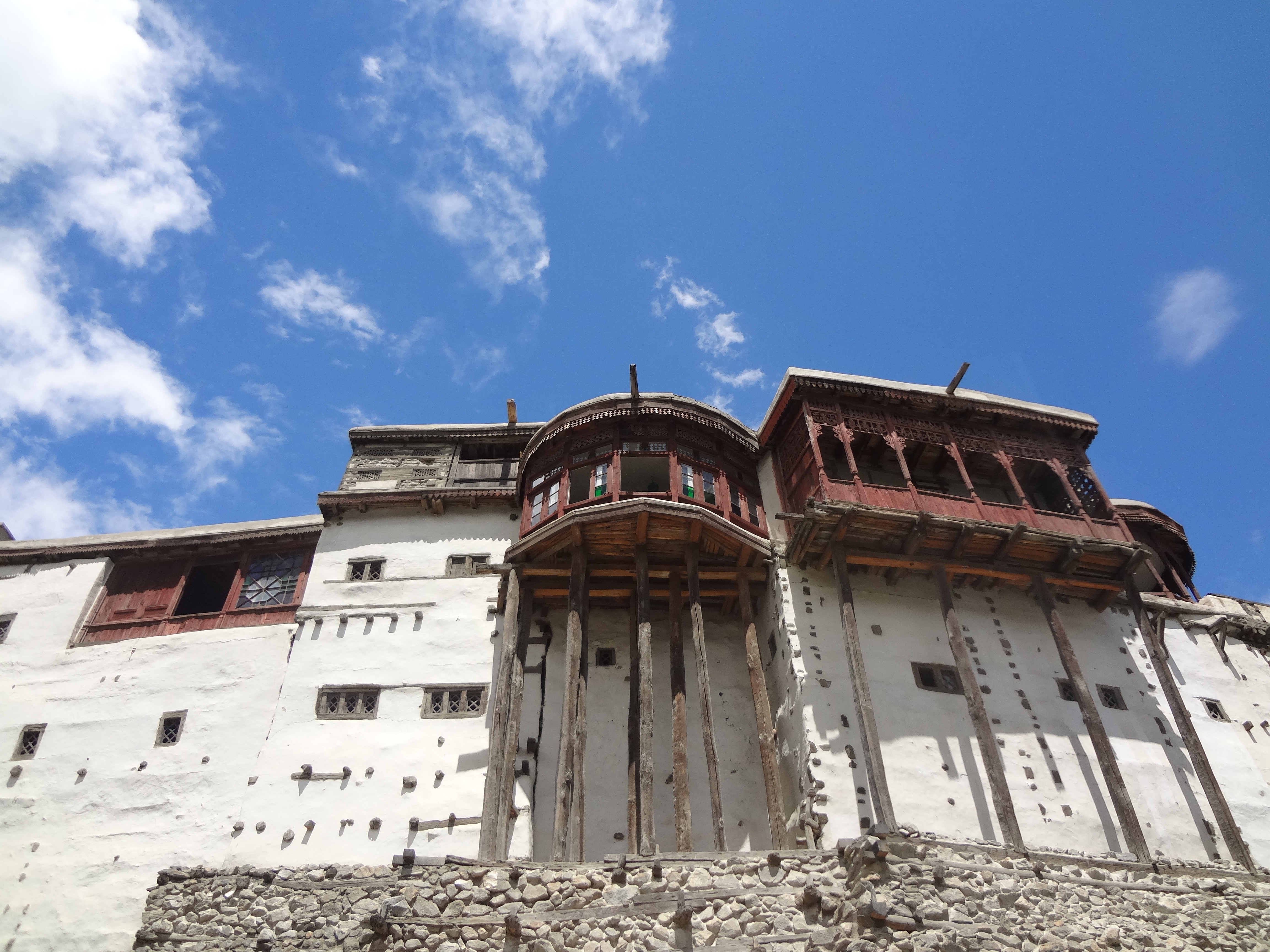
Baltit Fort (Urdu: قلعہ بلتت) is a palatial fort in the Hunza Valley, near the town of Karimabad, in the Gilgit-Baltistan region of northern Pakistan. It has been on the UNESCO World Heritage Tentative list since 2004.
The conversation work carried out in the last decade of 20th-century indicated that the core structures, including the defensive stone and timber tower, date to the 8th century CE. The architecture of the fort reflects Tibetan influences. In the 16th-century, Ayasho II, the Mir of Hunza, married Shah Khatun, a princess from Skardu and the granddaughter of Ali Sher Khan Anchan. The father-in-law Abdal Khan sent artisans who rebuilt the fort. Abdal Khan also sent a cannon in dowry which bears date of 1539 CE.
The Mirs of Hunza abandoned the fort in 1945, and moved to a new palace down the hill. The fort started to decay which caused concern that it might possibly fall into ruin. Following a survey by the Royal Geographical Society of London a restoration programme was initiated and supported by the Aga Khan Trust for Culture Historic Cities Support Programme. The programme was completed in 1996 and the fort is now a museum run by the Baltit Heritage Trust.
Adapted from Wikipedia (CC BY-SA). Photography via Wikimedia Commons.