
Villa Ten Hompel
Germany · Europe
關於
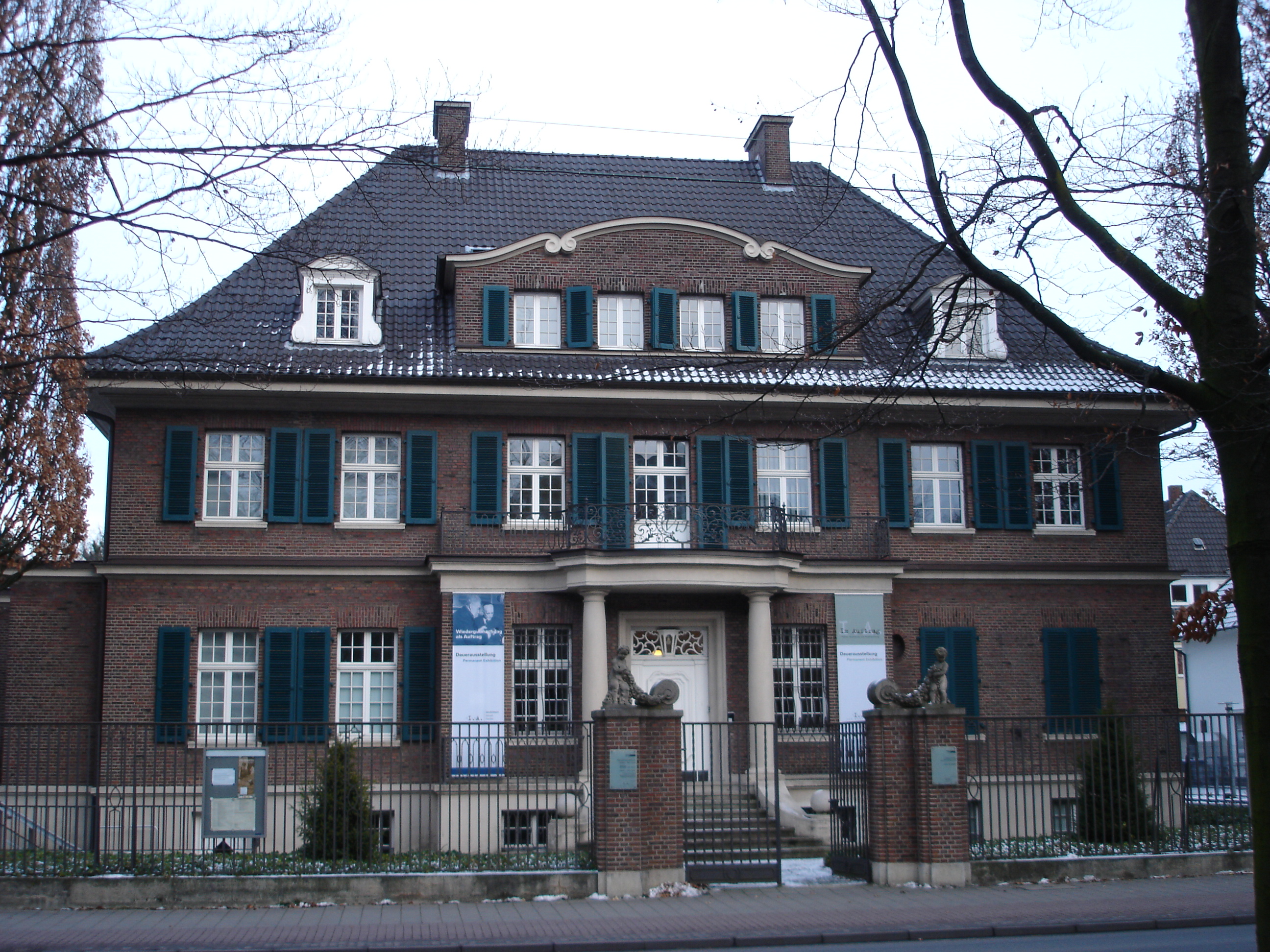
The Villa ten Hompel is a memorial site for offenses committed by the police and government administration during the National Socialist period in the city of Münster, located in the German state of North Rhine-Westphalia.
The Villa ten Hompel was named after its builder, the industrial merchant Rudolf ten Hompel from Münster, and was constructed from 1924 on.
Ten Hompel was one of the richest citizens of Münster and was co-owner of the “Wicking-Werke”, the biggest combine of cement factories in Germany from this time period. Furthermore, he was a representative of the Catholic Centre Party in the German Reichstag from 1920 until 1928.
The Villa and its ample gardens were often used for parties and other social gatherings and were therefore equipped very luxuriously. During the Great Depression at the beginning of the 1930s, ten Hompel's “Cement Empire” collapsed. In 1935, the former Chief Executive ten Hompel was convicted of embezzlement, bankruptcy offense, postponement of fortune, and forgery of documents by the regional superior court in Münster and was sentenced to three years in prison and a fine of 22,000 Reichsmark. In 1939, the Villa became property of the National Treasury and Rudolf ten Hompel moved to Munich, where he died in 1948.
In 1940 the Ordnungspolizei (Uniformed Police) moved into the Villa and made it the headquarters of the sixth military district, which contained the whole of North Rhine-Westphalia and the area around the nearby city of Osnabrück and parts of Belgium. During the war, police guards were sent by the Villa to supervise deportation trains, as well as the Arbeitserziehungslager, or worker education camps.
內容改寫自 Wikipedia (CC BY-SA)。照片來自 Wikimedia Commons.