
Excavation of Stabiae
Italy · Europe
關於
Stabiae (Latin: [ˈstabɪ.ae̯]) was an ancient city situated near the modern town of Castellammare di Stabia and approximately 4.5 km (2.79 miles) southwest of Pompeii. Like Pompeii, and being only 16 km (9.9 mi) from Mount Vesuvius, it was largely buried by tephra ash in the 79 AD eruption of Mount Vesuvius, in this case at a shallower depth of up to 5 m.
Stabiae is most famous for the Roman villas found near the ancient city which are regarded as some of the most stunning architectural and artistic remains from any Roman villas. They are the largest concentration of excellently preserved, enormous, elite seaside villas known in the Roman world. The villas were sited on a 50 m high headland overlooking the Gulf of Naples. Although it was discovered before Pompeii in 1749, unlike Pompeii and Herculaneum, Stabiae was reburied by 1782 and so failed to establish itself as a destination for travelers on the Grand Tour.
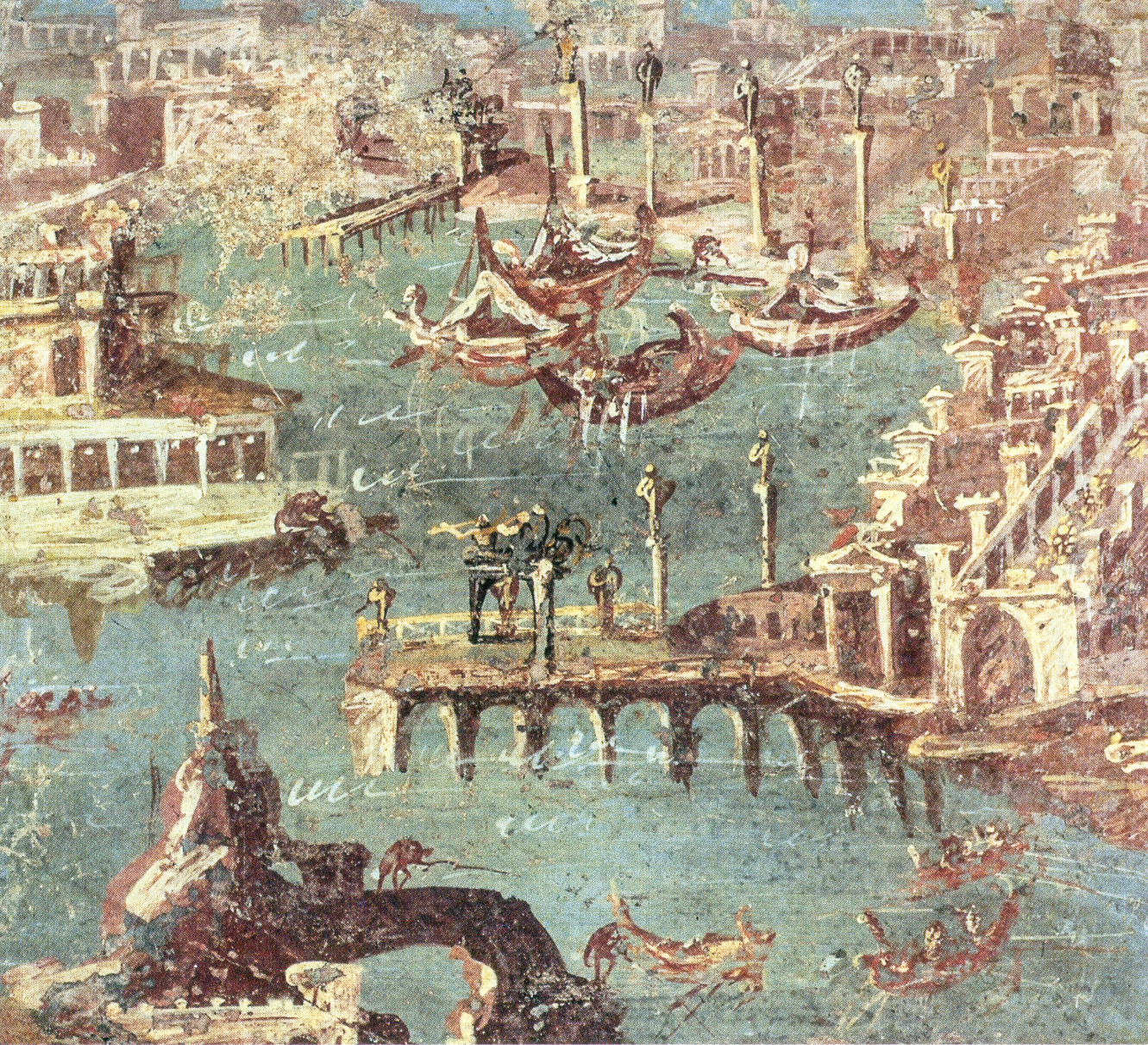
Many of the objects and frescoes taken from these villas are now in the National Archaeological Museum of Naples.
內容改寫自 Wikipedia (CC BY-SA)。照片來自 Wikimedia Commons.