
Blaafarveværket
Norway · Europe
關於
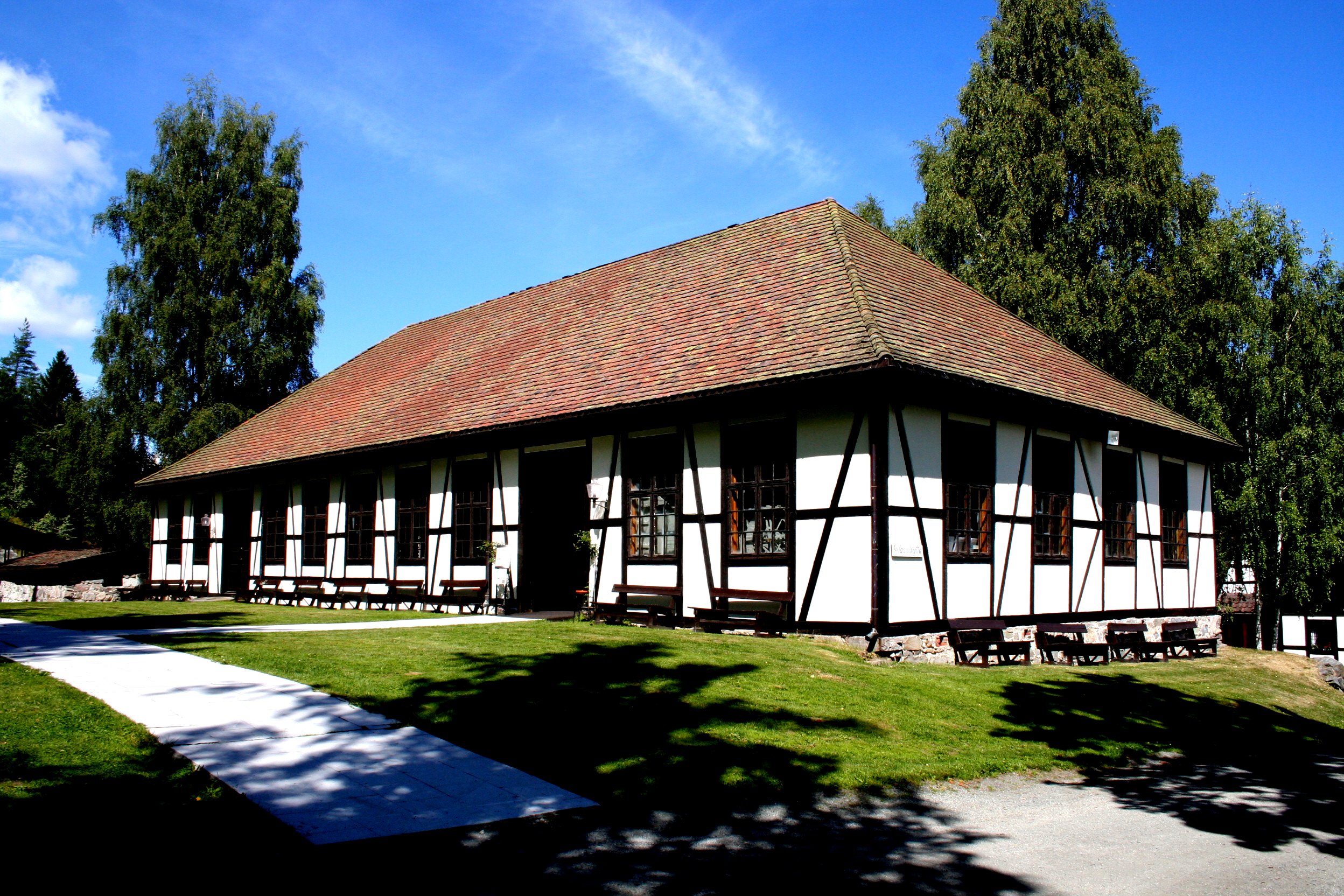
Blaafarveværket, or the Blue Colour Works, was a mining and industrial company located at Åmot in Modum in Buskerud, Norway, which existed from 1776 to 1898, and which was Norway's largest mining company in the first half of the 19th century. The works mined cobalt ore and manufactured by smelting blue cobalt glass (smalt) and cobalt blue (cobalt aluminate) pigment. It is currently a large open-air industrial museum and an art gallery; it is the largest and best preserved mine museum in Europe, and one of Norway's most visited attractions.
The company was founded as the Royal Blue Colour Works by King Christian VII in 1776 and was one of the few companies with lasting significance from the age of mercantilism, played an important role in Norwegian trade with Denmark, the Netherlands and the Far East and had a decisive impact on the Norwegian economy in the period around 1814. In 1822 the company was sold to the Berlin banker Wilhelm Christian Benecke and Benjamin Wegner, and their ownership lasted until 1849, a period regarded as the company's heyday and during which it became the largest industrial company of the country. The company went bankrupt in 1849 in the wake of the revolutions of 1848 and competition from synthetic ultramarine, but a greatly reduced activity continued until 1898. From 1968 Blaafarveværket has been made available to the public as an open-air industrial museum and art gallery, run by the non-profit foundation Stiftelsen Blaafarveværket. Blaafarveværket is the largest and best preserved traditional mining museum in Europe. It is presented to the public like the mining company it was during its heyday around 1840.
內容改寫自 Wikipedia (CC BY-SA)。照片來自 Wikimedia Commons.