
Hawaiʻi Volcanoes National Park
United States · Americas
關於
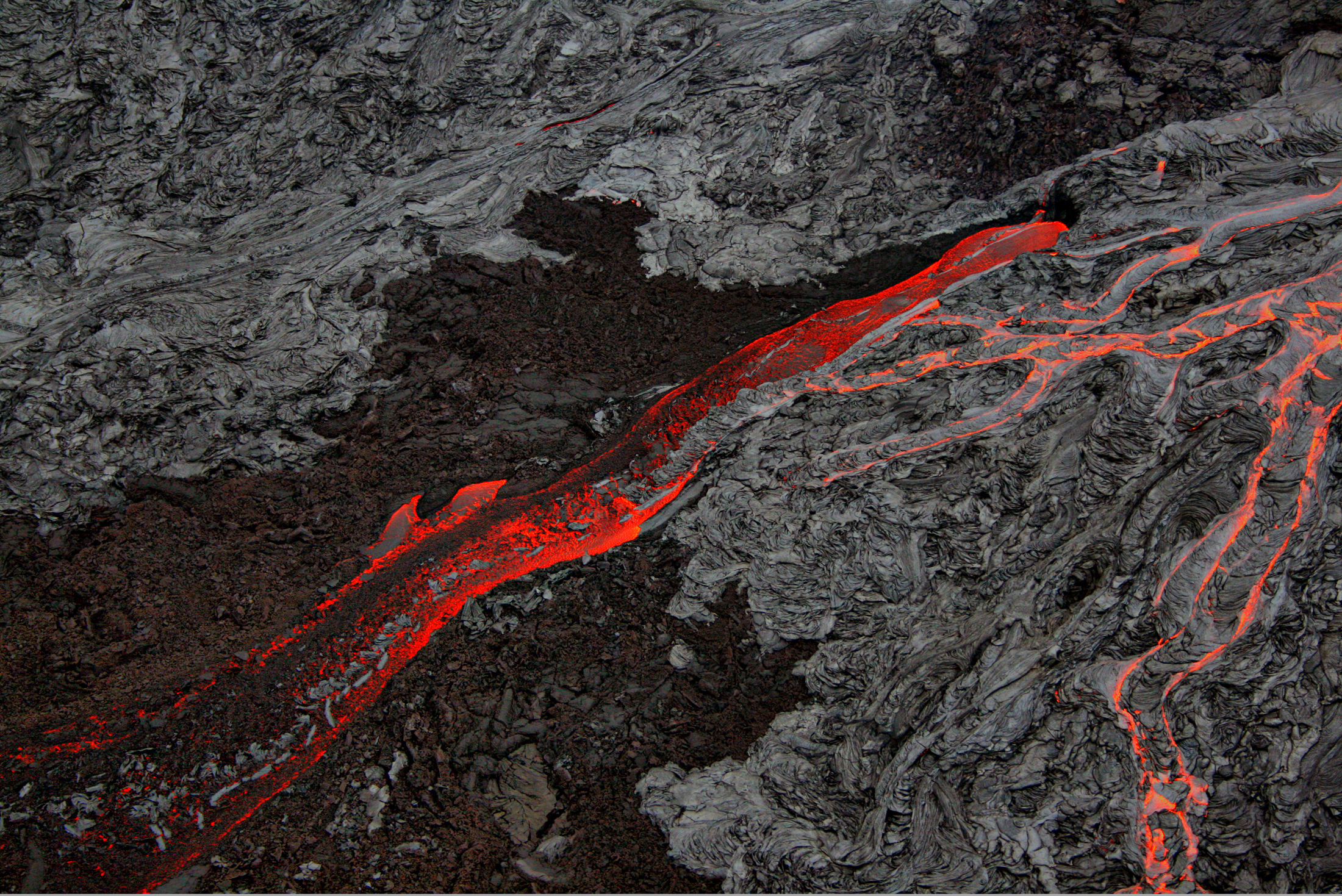
Hawaiʻi Volcanoes National Park is a national park of the United States, located on the island of Hawaiʻi in the state of Hawaii. The park encompasses two active volcanoes: Kīlauea, one of the world's most active volcanoes, and Mauna Loa, the world's largest shield volcano. The park provides scientists with insight into the development of the Hawaiian Islands and access for studies of volcanism. For visitors, the park offers dramatic volcanic landscapes, glimpses of rare flora and fauna, and a view into the traditional Hawaiian culture connected to these landscapes. The indigenous people of the park, "Kanaka Maoli", believed in living a life that did not take up resources. Volcanic eruptions are seen as sacred.
The park was originally established on August 1, 1916, as Hawaii National Park, which was then split into this park and Haleakalā National Park. In recognition of its outstanding natural values, Hawaiʻi Volcanoes National Park was designated as an International Biosphere Reserve in 1980 and a World Heritage Site in 1987. In 2012, the park was depicted on the 14th quarter of the America the Beautiful Quarters series.
On May 11, 2018, the park was closed to the public in the Kīlauea volcano summit area, including the visitor center and park headquarters, due to explosions and toxic ash clouds from Halemaʻumaʻu crater, as well as earthquakes and road damage. Portions of the park, including the visitor center, reopened to the public on September 22, 2018.
As of early 2025, most of the park is open; however, some road segments and trails are still closed to visitors. The Jaggar Museum and buildings of Hawaiian Volcano Observatory were too damaged by the 2018 events to be used further and were torn down in 2024. Eruptive activity, ground collapses and explosions in the park ceased in early August 2018, and the lull in eruptive activity at Kīlauea continued until an eruption on December 20, 2020, at the Halemaʻumaʻu crater. Since then, the crater has been intermittently eruptive with lava fountains and flows, though the activity has not been on the scale of the 2018 events.
內容改寫自 Wikipedia (CC BY-SA)。照片來自 Wikimedia Commons.