
Savai'i
Samoa · Oceania
關於Savai'i
Savaii (Savai'i) is the larger, but less developed, of the two main islands of Samoa.
Savai'i旅遊指南
城市概覽
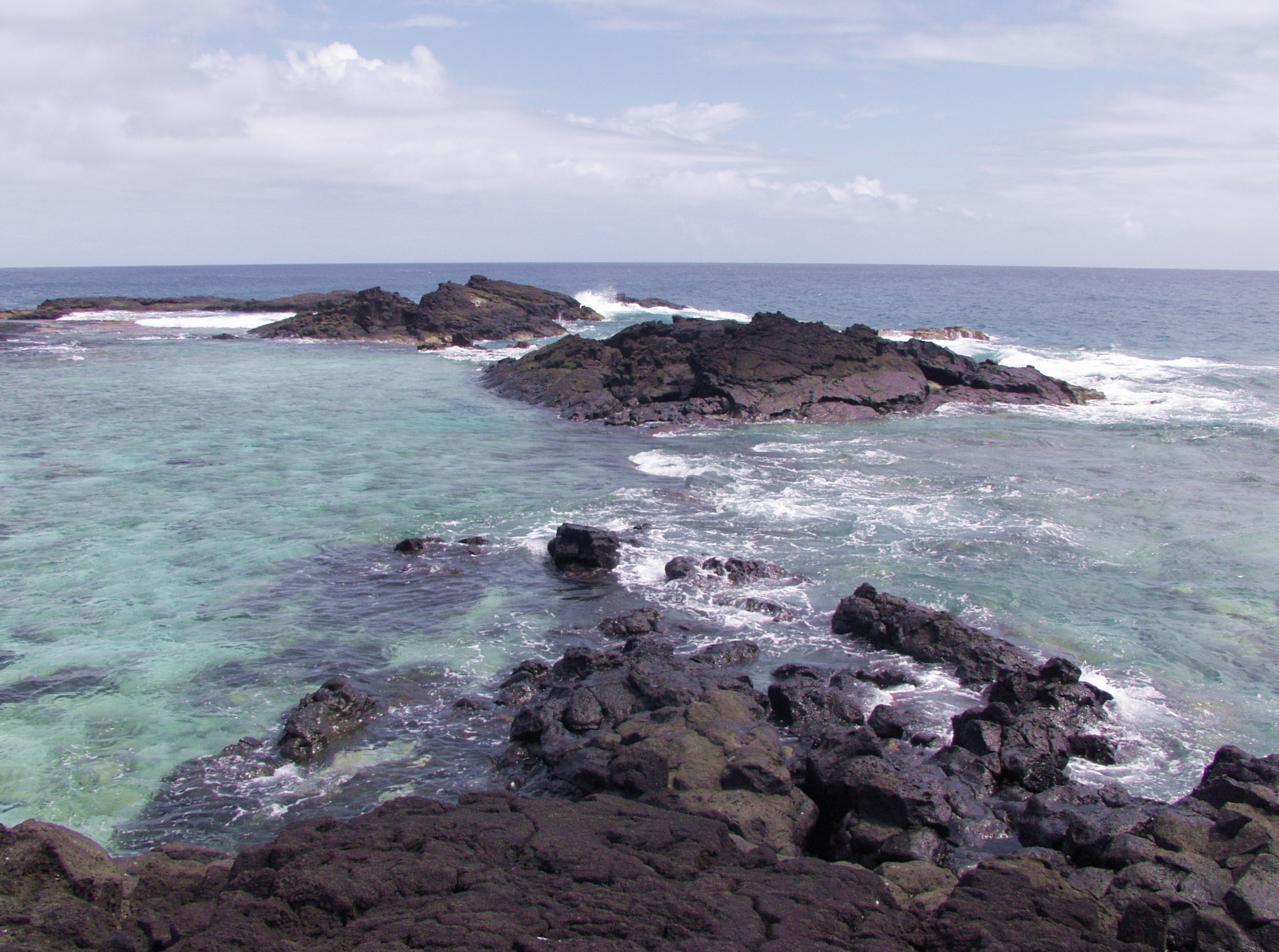
Many people say that Savaii is the 'real' Samoa. It is certainly less developed, with no real towns as such, just a series of small villages with people living in traditional huts. You don't have to worry about getting lost on Savaii if you're driving - only one (well-paved) road runs around the island. Every few miles you will likely pass a colonial-style church, while the coastline will regularly change between volcanic black ash, pristine white sand beaches, and dramatic cliffs. Overall, visit Savai'i if you want a more authentic and unspoiled Samoan experience away from the Internet cafes and McDonald's of Apia.
如何抵達
By boat The car ferry journey takes 1 hour 15 minutes from Mulifanua Port (towards the most western edge of Upolu) to Salelologa on the southeast of Savaii. There are a maximum of five sailings a day, usually every 2 hours with the first at 06:00 and the last at 16:00. The ferry timetable and fares can be found http://www.samoashipping.com/timetable-and-fares here]. Price for foot passengers is W$12. While no recent accidents have been reported, several government travel warnings have been issued about the safety of this ferry - relating specifically to overloading, and the threat of heavy vehicles moving during the voyage. But it is the only feasible way to reach Savaii, and so the final decision is up to you. If you do decide to use it, it's very likely that you'll be one of the few foreigners on board. Locals are therefore likely to strike up a conversation. Don't be concerned - this is almost always innocent and driven purely by curiosity. If you are planning a short excursion to Savai'i then it's better to pack a small overnight bag and leave your main suitcase back at the Travellers Lounge in Apia. Dragging your suitcase onto the ferry and around Savai'i could be rather awkward.
By plane 1 Maota Airport (MXS IATA). Samoa Airways has flights from Apia.
當地交通
By bus The main means of getting around in Savaii are the brightly colored, pop-music blaring local buses. A one-way fare costs a maximum of WS$7 if you head to the northwest, with closer destinations being much less. The fare is paid to the driver at the end of the journey. Most buses depart from the markets in Salelologa. There are also some buses which meet the ferry at the Salelologa wharf. Buses in Savai'i tend to fill up quickly and you might find yourself sitting on the lap of a local! This is quite an experience for Westerners.
By taxi Generally your best bet. They are cheap and plentiful. Agree on a price ahead of the journey as none have meters.
By rented car
You need to obtain a local licence, which is very easy to get from the Transport Control Board at the police station in Apia (international licences are not accepted) or from just next to the exit from Customs at the airport. Some car rental companies also provide this service. Licence endorsement costs WST$21 and lasts for one month. Renting a car is possible but not economical unless you will be driving it a lot every day. They are particularly handy if you plan to visit the Falealupo Peninsula, which does not have good public transport. Car hire companies include: PK Rentals ([email protected]); Salafi ([email protected]) and Savaii Car Rentals ([email protected]).
By bicycle Possible and quite enjoyable. Most of the island is flat and there is only one main road that circumnavigates the island. So there is no chance of getting lost. There are a few small steep sections near A'apo and Asau.
By hitchhiking Hitchhiking is not very common, but can be a fun and entertaining way to travel like the locals at the back of a ute (pick-up truck). Almost all people will stop if you request a ride and many of them will go out of the way to drop you at your destination.
必看景點
1 Alofaaga Blowholes (Taga Blowholes) (next to Taga village, south west of Salelologa wharf). Lava flows created a series of tubes connecting the cliff top with the ocean. Waves send water at high pressure through the tubes, creating fountains. The rocks can be quite slippery, so make sure to take appropriate shoes with you. Also beware of tourist traps in this area - the guides here might ask you to take photos as they throw coconuts into the blowholes and then demand money from you afterwards. They can be very persistent, but just maintain your distance and say no. There is an entry fee of WS$5 per person. 2 Paia Dwarfs Cave (in the northeast part of the island). This cave is over a kilometre long. he legend is that this cave is home to a race of small people. The legend has never been disproved as the end of the cave has apparently never been reached. Exploring the cave can take almost an entire day. A guide from Paia village is essential. 3 Falealupo Rainforest Preserve (northwest of the island). Includes a 25m canopy walkway and a platform in the trees that sleeps six (beware, there is no toilet!). 4 Mt. Matavanu Lava Fields. You will have to walk three hours from Paia village to visit these lava fields that look like a barren moonscape. They were caused by the eruptions of the mountain between 1905 and 1911. 5 Olemoe Falls. (Afu Aau Waterfall). The most spectacular of the many jungle waterfalls in Savaii. A half-hour walk from a 4WD track. 6 Pulemelei (or Tia Seu) Ancient Mound., Palauli district (Letolo Plantation near Olemoe Falls.). This is the largest ancient structure in Polynesia, with a base of 60 m by 50 m and 12 m tall. 7 Peapea Cave, N Coast Rd. This lava cave is in the north close to Letui village and a ten-minute walk from the road. A guide can also be easily found, which is essential as the entrance to the cave is locked.This cave is home to hundreds of white rumped swiftlets. The 'clicking' noise of the birds is clearly audible as they fly
體驗活動
Circumnavigate the entire island over a few days or a week (although it is possible to do in day) and admire the wonderful lush scenery and contrasting coastline.
Satoalepai turtle reserve, Satoalepai (35-minute drive along the east coast from the ferry). Rare experience of swimming with turtles rescued from fishermen's nets. Surfing. Best suited for experienced surfers. November to April has northern swells while May to October has big swells from the south. Savaii Surfaris are at Aganoa Beach in the south, and there are also good spots on the north coast (Dec. to April) at Manase, Fagamalo and Lesolo. Diving. There is an abundance of marine life around Savaii and diving to suit all levels. The Wreck of the Juno dates back to 1881 and provides a popular dive site. There is only one company, Dive Savaii, providing dive services, however. This is in the Fagamola/Manase area on the northeast of the island.
美食
Most places to eat are attached to hotels or guest houses. There are few independent restaurants or bars and the ones that do exist are almost all close to Salelologa.
Le Sogaimiti Bar and Restaurant, Lalomalava (in the Savaiian hotel grounds), ☏ +685 51296. 8AM-late. LeSogaimiti, meaning the
城市概覽改寫自 Wikipedia,旅遊指南來自Wikivoyage (CC BY-SA)。照片來自 Wikimedia Commons.