
Río Plátano Biosphere Reserve
Honduras · Americas
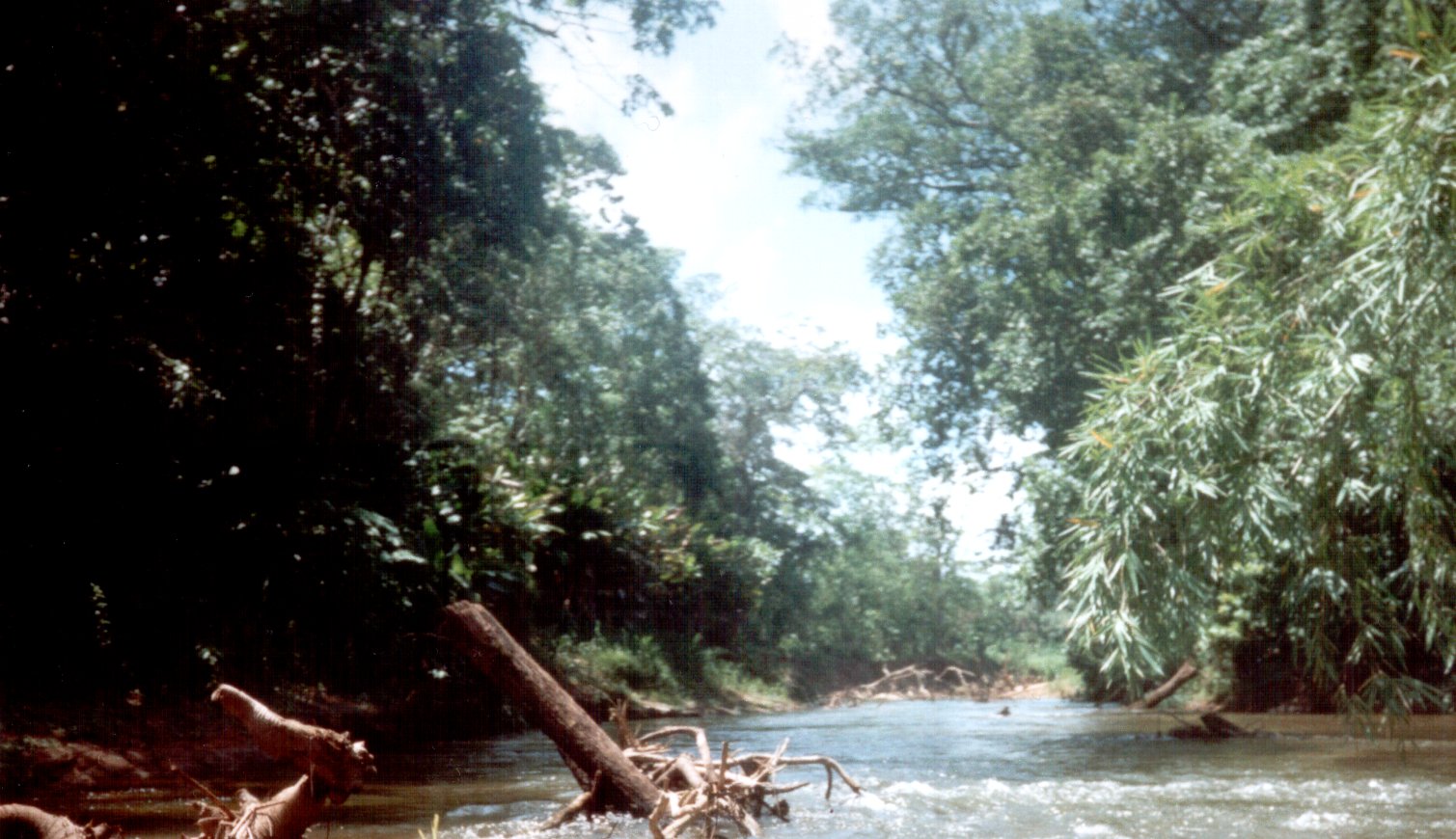
關於Río Plátano Biosphere Reserve
The Río Plátano Biosphere Reserve is in Honduras.
Río Plátano Biosphere Reserve旅遊指南
城市概覽
It is recommended that at least one in the travel party speaks Spanish. This will help you keep prices down and smooth out the process.
History
Landscape
Flora and fauna
Climate From before Christmas until June is the dry season. Less mosquitoes and hotter.
如何抵達
By boat Boat services depart with great infrequency from La Ceiba and Trujillo. These are cargo barges that makes stops along the coast to sell merchandise to local stores. Ask at the docks. By land from La Ceiba First off, you have to get on a chicken bus bound for Tocoa that leaves early in the morning from the bus station in La Ceiba. In Tocoa, there are pickups leaving every morning around 9AM. They gather across the street from the market place by the bus station. All of them will try to sell you a ride in their own pickup, but don't let anyone grab you bag until you have negotiated a fair price. Prices for the 5-6 hours very bumpy pickup ride vary between L300 and L500 (lempiras), depending on negotiating skills, luck and if you get to ride inside the car or up back with the merchandise (it will be loaded badly). Car robberies are common on this route, make sure to hide credit cards and camera memory sticks as well as your passport in case of bad luck. The pickup trucks stop in Batalla, which is just across a narrow strait of water from Palacios. From here, you can get a collectivo-boat to take you where you would want to go. Don't pay anymore than L200 to get to Belen or Raista. To Las Marias "Collectivo" Once you are in the Belen-area you can ask around for the next boat heading to Las Marias. With bad luck you might have to wait up to 4 days, but usually there leaves a motorised canoe at least 3 or 4 times a week. The one way "collectivo"-price here should be no more than L800 max, L500 is the common price. It is a bit more expensive to go upriver than down. Making the reverse journey should cost between L300 and L500. Use your negotiating skills without being too rude. It is only fair they charge outsiders a bit more than locals that pay even less than the prices stated here. "Expresso" If you are short on time and have the money to spend, it might be worth considering hiring a private boat. This will cost between L3000 and L4500, is roundfare, and usuall
當地交通
Inside the reserve there are no roads and all transport is done by boat. The local boats are called "Pipante" and are hollow tree trunks sometimes motorised by outboard engines. They are a more pricey form of transport than the inboard engine alternative called "tuck-tuck". For some travels you don't even need a motor. Quad wheelers and motorcycles trafficate the beaches. It is also possible to fly.
必看景點
Petroglyphs can be seen in the upper reaches of the Río Plátano. Archeologists suspect a hidden town somewhere around this place in the jungle. The Rio Platano Biosphere Reserve is the home of unique wild life such as toucans, monkeys, parrots, rare butterflies, and sea turtles. Terrain includes jungle, forest, and beach land. Some communities even offer tours of archeological sites! Travellers also get to see how indigenous residents live their everyday lives.
體驗活動
There is so much to do in the Biosphere Reserve! Tours through the indigenous communities of the La Ruta Moskitia Ecotourism Alliance allow travellers to view beautiful natural environments. Travellers have the opportunity to engage in authentic cultural exchanges with the indigenous communities of Belen, Raista, Brus Laguna, Yamari Savannah Cabanas, Plaplaya, Batalla, Les Marias. These cultural activities include storytelling, dancing, drumming, singing, and craft making. Travellers can also kayak, swim, hike, and canoe to explore the land and waters of the biosphere. Tour operators
Travelling down the Rio Platano. There is a tour operator that offers a 14-day raftride through the whole reserve. This is the only way of getting access to the deeper parts of the reserve. They enter the park from the south. La Ruta Moskitia Ecotourism Alliance, [email protected], ☏ +504 406-6782. A collection of six indigenous communities that provide ecotourism products and services within the Rio Platano Biosphere Reserve. All of the ecotourism enterprises that are a part of La Ruta Moskitia are 100% community-owned and operated, and therefore all of the financial benefits of La Ruta Moskitia go directly to local communities. This organisation distributes packaged tours within the Biosphere Reserve including transportation to the reserve, lodging, food, drink, tours through the indigenous communities, and hiking, kayaking, and other outdoor opportunities!Awards and recognition of The La Ruta Moskitia Ecotourism Alliance includes the World Travel and Tourism Council's Tourism for Tomorrow "Investor in People" award in 2008, the Virgin Holidays Responsible Tourism Award "Best Park or Protected Area" in 2007, and the Conde Nast Traveller's coveted Green List in 2006. Also, La Ruta Moskitia was recognised as one of National Geographic Adventures "Best Adventure Travel Companies on Earth.", and recommended by Lonely Planet and Outside Magazine. US$425-1,125. Trips departing fr
購物
Gold prices in Las Marias average L200 per gram of rivergold. That is about half the normal price fetched in cities. Be aware however that the supply is steady but a bit slow - and don't expect to be able to buy great quantities at once. One riverminer fetches on average 1 gram on 2-3 days of good work.
美食
In the Great Pine Savannah, home to the Yamari Savannah Cabanas and the Bus Laguna, travelers enjoy fresh seafood dinners. Other areas allow tourists to watch how their meals are being made such as the Batalla community where traditional ‘casaba’ bread is made. In a lot of these communities one should expect a staple diet of yucca, rice, beans and platones with very little variation. It might be a good idea to bring some spicy sauce from the city.
飲品與夜生活
Travellers can access alcoholic drinks in most communities. One should however be a bit self-conscious about how much one drinks and where and when. Alcoholism here is by far the major social problem, and locals have a tendency to mimic the behaviour of visitors. In the village of Las Marias drinking doesn't, as of yet, pose as big a problem as along the coastal communities. Let's try to keep it that way. Think twice before consuming alcohol, and if you to, try to set a responsible example.
住宿
In the small town of Las Marias it is possible to stay with the indigenous people. Most of the host communities are part of the La Ruta Moskitia Ecotourism Alliance, which provides lodging for travelers. Lodging is typically in the form of small cabanas with comfortable single beds or larger ecolodges. Showers and flush toilets are available at all locations.
Hospedaje de Tinglas. One of the first hospedajes along the river as one approaches Las Marias. Meals available (L70). Don Tinglas has a radio, and make frequent trips to the coast, that tend to be a bit more pricey than other providers (abou
城市概覽改寫自 Wikipedia,旅遊指南來自Wikivoyage (CC BY-SA)。照片來自 Wikimedia Commons.