
Palmyra
Syria · Asia
關於Palmyra
Palmyra was the only oasis in Syria and perhaps the only truly tourist town.
Palmyra (the Roman name) was known as Tadmor to the Syrians. Both meant the same thing - date palm. The name came from the lush oasis adjacent to the city which was home to some million date palms.
Palmyra is listed as a UNESCO World Heritage site; all six Syrian UNESCO-listed heritage sites are 'endangered' as of 2013.
Palmyra旅遊指南
城市概覽
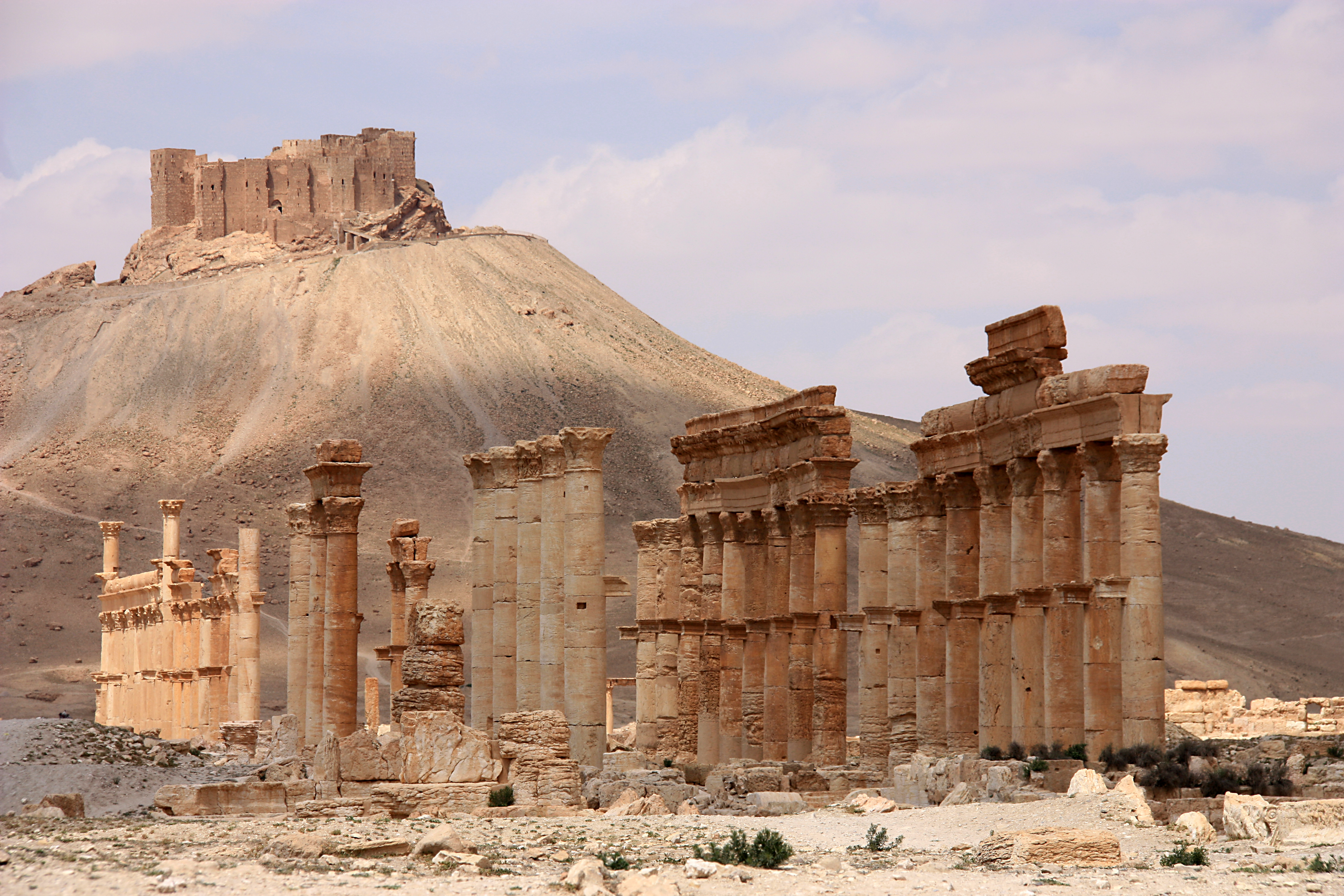
Palmyra sat on the standard tourist trek around Syria. Intense competition for business amongst local outfits made the experience somewhat overwhelming to the traveller who had come from the North and had enjoyed a relatively 'quiet' trip thus far. The major tourist attraction of the area was the stunning ruins - the most famous and well-preserved of which were the Temple of Bel, the colonnade, the funerary towers, the hypogeum of 3 brothers, and the Arab castle. All were within a few kilometres of each other. Much of this irreplaceable heritage was deliberately destroyed by ISIS during armed conflict in 2015. Although Syria's directorate of antiquities and museums makes hopeful statements about rebuilding at least part of the lost heritage using the original pieces, Palmyra is landmine-infested and no longer a tourist destination. The Lion of Al-lāt was restored in 2017 and can now be found at the National Museum of Damascus.
如何抵達
Direct minibuses run to downtown Palmyra (Tadmur) regularly from southern station in Homs (50,000 SYP = 4.5 USD, 2h30). There are also big long-distance buses to Deir-az-Zur passing Palmyra, having stop on the bypass, approx. 4 km NE of Palmyra Museum, departing from northern station in Homs (100,000 SYP = 9 USD, 2h30). (Dec25) Palmyra was easily accessible from Damascus by bus departing the Harasta bus terminal. Buses ran nearly hourly in both directions during the hours of daylight. Buses also ran from Homs (150 km) and Deir-az-Zur. As of Dec25 there no direct buses from Damascus but you can probably catch a bus to Deir-az-Zur passing around. For bike tourists, Palmyra was about a three-day trip from either Damascus or Deir-az-Zur. One needed to bring plenty of food as shops were few and far between; water was available at semi-regular intervals from police stations, military installations and at private houses on request. As of Dec 2025, no special permission is needed to access Palmyra.
當地交通
The best method was to walk. The town was not large and the historic site was built in a time when walking was the main form of transportation, so it was not too spread out. Bear in mind that the heat can be truly scorching; plan to visit at dusk and early morning to see magnificent sunrise and sunsets. Camel rides were offered. Tour buses abounded; locals did offer rides if you were willing to haggle.
必看景點
Many of the historic sites have been destroyed or severely damaged. Anyway there is still so much to see. Mines from the war are supposed to be removed. The historic sites are very large, so it's recommended to stay full day or even overnight. All sites are freely accessible 24/7, no admission fees. As of Dec25 there are very few tourists (locals say less than 20 tourists per day).
1 Great Colonnade at Palmyra. (updated Dec 2017) 2 Temple of Bel. Founded in 32 AD and dedicated to the Mesopotamian god Bel. While severely damaged in 2015 and the main building destroyed, its exterior walls and gate still stood. (updated Dec 2017) 3 Palmyra Castle (قلعة فخر الدين المعني). A castle built by the Mamluks in the 13th century. While damaged in the conflict, the castle is still structurally intact. (updated Dec 2017) 4 Roman Theatre at Palmyra. (updated Dec 2017) Funerary Towers. (updated Dec 2017) Hypogeum of Three Brothers. (updated Dec 2017) 5 Palmyra Museum. Damaged during the Civil war, closed as of Dec25. (updated Dec 2025)
體驗活動
Camel ride. Camel race. If you visited Palmyra around October/November time you might have been lucky enough to be there for the week of camel racing. This was an exciting day out, especially if you had gotten a lift in one of the many vehicles travelling round the track, alongside the camels. There was a camel beauty competition and racing with and without riders - although it was recommended to go with someone who could explain what was going on. Evening in the desert. Spend an evening in the desert, in a Bedouin tent with traditional music, food and wonderful hospitality - just ask at your hotel or your tour group leader. After the ruins, this was definitely the highlight of any trip to Palmyra. A drive away from the ruins is a natural sulphuric water lake (take care as at certain times of the year it is pretty dried up!) and a camp site was nearby. Sunrise and sunset view. Just outside of Palmyra, go for a walk up to the top of the sandstone cliffs at sunrise or sunset - truly stunning! You could have taken a taxi to Palmyra castle or walked [1] there. 1 Hike and trail run. See the external link for the GPS track of the route. This loop ran from the middle of town up to Palmyra castle to view the sunrise or sunset. The first half of this loop was on sidewalk and paved road. The second half, descending from the castle, was on a trail going through the Great Colonnade. 2 Run laps. See the external link for the GPS track of the route. The route was relatively short, so could be run several times to get more distance in. It was on a wide and well lit sidewalk. It was suitable even for a night run in December as it got dark early.
購物
There were no ATMs (that accepted international cards - there was one for Syrian cards) in Palmyra or even a full-service bank. Hotel Bel (on the main street) offered advances on Visa and MasterCard for a 20% commission. There was a local exchange office by the museum which changed foreign currency but did not change traveller's cheques. You would have needed to bring sufficient cash, Syrian pounds, US dollars, or euros for your time in Palmyra. As usual, the Syrian Commercial Bank offered terrible rates and added commission. You'd have gotten a better deal by checking the rates online then changing with the shop owners in the Souq. Souvenir shops abounded on the main street with all kinds of jewellery, handicrafts and other wares typical to the Bedouin places. Shopkeepers (in a town with few sources of income other than tourism) were masters in the art of making you part with as much money as possible, so it would have been wise to only carry as much money with you as you were willing to spend on souvenirs (and food - see below) to avoid being talked into spending all or most of the money you had for the rest of your trip in Syria. Typically souvenir shopping would happen around dinner, as many of the restaurants and shops were in the same main street and you would have happened to walk past them on your way to or from the hotels and restaurants.
美食
Traditional Palymra Restaurant -- very bad reputation, with several differently priced but identical menus, tendency to recycle uneaten food, etc. New Palmyra Restaurant / Pancake House on the main street for most tourists, al-Quwatli. This was a traditional Palmyra restaurant - catering for the tourist hordes. The owner was well connected with an army of scouts corralling tourists into the restaurant. For the adventurous traveller, fake ISIC student cards were available for purchase for €7.50, although they are of poor quality and little use in the Middle Ea
城市概覽改寫自 Wikipedia,旅遊指南來自Wikivoyage (CC BY-SA)。照片來自 Wikimedia Commons.