
Otavalo
Ecuador · Americas
關於Otavalo
Otavalo is a city in the North of Ecuador. It has about 50,000 inhabitants and is the capital of the canton of the same name. Otavalo is world-famous for its indigenous population, the Otavalos, many of which are travelling around the world to sell their famous handicrafts or play in Andean Folk music groups. The Otavalos are considered the economically most successful indigenous group of Latin America, and many of the grandest houses and largest pick-up trucks in Otavalo are owned by Otavalos. However, a great percentage of the Otavalos, especially in the surrounding villages, live in poverty and are victims of racial discrimination. Otavalos are easily recognized by their traditional dress: white pants and a dark poncho for men; a dark skirt and a white blouse with colourful embroidery and colourful waisteband for women. Both sexes wear their hair long (the men usually platted).
Otavalo旅遊指南
如何抵達
From Quito Otavalo is approximately 2 hours north of Quito on the Panamerican Highway. Buses to Otavalo leave from the Terminal Carcelén in the North of Quito and may disembark at a small bus terminal in Otavalo along Calle Atahualpa & Jacinto Collahuazo. Some buses have onward destinations (e.g. Ibarra) and only stop in the outskirts of Otavalo. The bus ride costs $3.10 (September 2023). To get to Terminal Carcelén From the Centro Histórico or La Mariscal, take a taxi, or take the Ecovia bus to the last station, Río Coca, and then take a taxi ($5-6 (Jan 2018)) or local bus to Terminal Carcelén. You may also catch a taxi from Quito Airport at a price of between $50-60. If tight on time, it saves you the time to head to Quito and backtrack towards Otavalo.
From the north If you come from Tulcán near the Colombian border, buses will probably drop you off at the Pan American highway. From there, it's a 10-minute walk to the center. The "Otavalo" and "Las Lagos" bus companies running between Quito and Ibarra to the north of Otavalo will drop you off at the bus terminal in Otavalo. Outbound buses for Quito and Ibarra(0.65USD) leave from the same terminal about every 15 minutes.
當地交通
Taxis will take you anywhere within town for $1. Some 'taxis' appear to be white/gray pickup trucks and will drive passengers from outskirts of town into the city. Negotiate with the driver if you want to go to places outside town. To Peguche waterfall, the rate is about $2,50, to Mojanda Lake, you will pay about $10. There are also plenty of buses going to nearby communities and towns, most of them leaving from the main terminal.
必看景點
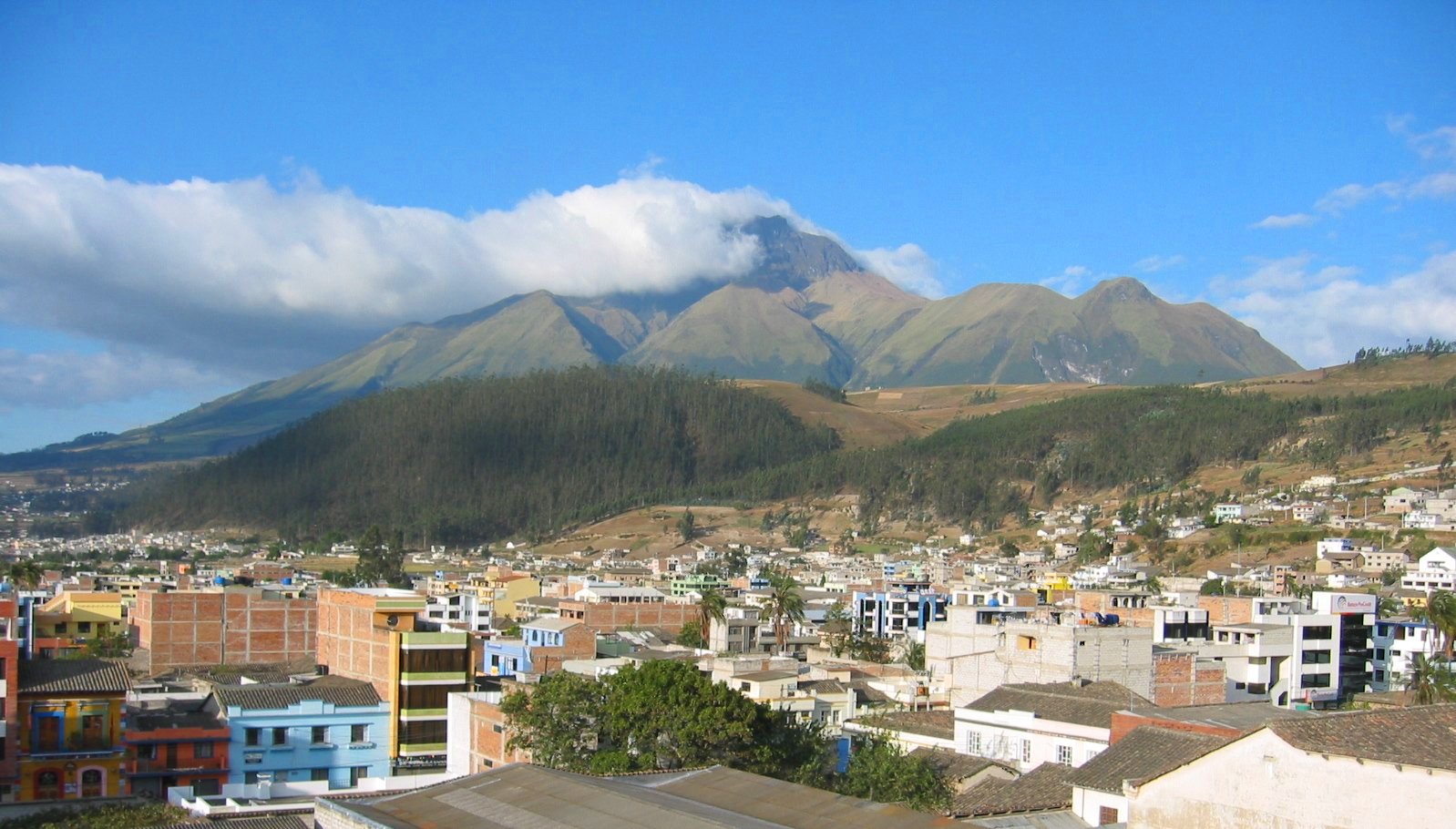
Town Markets. Every Saturday there is a Mercado Artesanal at the so-called Plaza de Ponchos between calle Sucre and Jaramillo, where indigenous and mestizo people from Otavalo and surrounding communities sell their handicrafts. You will find a wide range of weavings, jewelry, clothes, wood and stone carvings, paintings, hats, and all kind of kitsch from pretty much any corner of Ecuador and neighbouring Peru and Colombia. Most vendors will claim that their goods are all hand-made at home, but you will soon get a feel what´s machine-made mass production and what´s a real quality handicraft. Although Saturday is the main market day, purchasing handicrafts on any other day is possible and a far less hectic experience. If you want something more authentic or just want to stock up on your groceries, try the town's largest food market Mercado 24 de Mayo (open all week). There is also an animal market Mercado de Animales, previously in the northwest of town across the Panamarican Highway, and later moved to 5km North of Otavalo, where local farmers buy and sell their livestock. This market is quite an experience, but not recommendable for people who care about animal rights (unless you are planning to protest about the way those animals are treated there). Peguche Waterfall is a beautiful waterfall with a height of 18 m, situated at 3 km from Otavalo. After the waterfall, the river takes the name of "Jatun Yacu" or "Big Water". This is a sacred place for the Indians as they have a close relationship with nature, especially mountains, water and certain trees. Lagoons, springs and waterfalls are considered places full with powers, where the natives carry out ritual baths of purification or pacts with the spirits of the place. Entrance Fee: $1 (Sep 2023) Imbabura Mountain, 4610 m high, is 60 km north of Quito, near Otavalo and San Pablo Lake. In local legend it is considered the father of the indigenous people and culture: the "Taita” (father) as they call him, is the protect
購物
You will find many vendors who sell exactly the same, so shopping around to get the best price for your desired souvenir is all too easy. Bargaining is accepted, but as most prices are a bargain anyway, pushing the price down is not as integral to the market experience as in Oriental bazaars. Also, try to buy souvenirs directly from the people that produce them, i.e. in the surrounding villages, as many people in the market are resellers who pay pity-prices to the producers. Some of the surrounding towns and villages specialize on certain materials for their handicrafts, e.g. Cotacachi (leather) or San Antonio (wood), so you certainly get more choice and probably better prices there than at the Otavalo market.
美食
You will find restaurants with national and international cuisine all over town. However, restaurant locations, names and owners change quickly and it is best to ask fellow travellers and locals for their latest recommendations. Prices range from $1.50 for a set lunch with soup and main course, to $7-9 for a dinner in one of the nicer restaurants. There are also a few purely vegetarian restaurants in town, and some restaurants have a range of vegetarian options available. However, vegetarians are not common, so you do run the risk of just having chicken pieces being taken out of the 'caldo de gallina', and served as vegetable soup. More adventurous diners may want to try one of the many food stalls around the handicraft market, at the market "24 de Mayo", or at the "Feria Imbabio". The roast pork and the fried tilapia offered there look delicious (and they really are), but make sure that the stalls fulfill basic hygiene requirements. You might also find the traditional roast guinea-pig ("cuy asado") there. Give it a try, its really yummy, although it doesn't have much meat on it. For those with a sweet tooth, try the "Pie Shop" at the southern corner of the Plaza de Ponchos, or the café on the third floor of the cinema "Sisa" on Calle Calderon between Calle Bolivar and Sucre, which also serves excellent espresso-style coffees.
Taco Bello, Bolivar & Mejia Lequerica 523. The restaurant may be named after the famous fast food chain, but expect much higher quality food. Hearty, delicious, inexpensive Mexican food. Various combination plates for $2-3 (with vegetarian options). Fantastic, fresh guacamole and salsa bar. $2 lemon margaritas. Good Mexican food is extremely hard to find in Otavalo (and Ecuador in general), so this place is a real gem. The owner, Carlos Suarez, is friendly (and also speaks English).
飲品與夜生活
Popular drinking spots in the center of town include "The Red Pub" on Calle Morales between Calle Sucre and Jaramillo, and "El Fauno" just opposite. On weekends you will find a quite lively nightlife along the northern end of Calle "31 de Octubre", with an array of clubs, peñas, and bars.
住宿
Finding accommodation in Otavalo is no problem at all, even on busy weekends. All over Otavalo and in neighbouring town and villages there are some 50 establishments offering accommodation for all budgets, from simple dorm beds in backpacker hostels, to luxury-style suites in centuries-old haciendas. The only time of year when you should consider booking at least a week in advance is the time of the Inti Raymi (Sun Festival) around 21 June and during the Yamor-festivities in early September. There are a number of bu
城市概覽改寫自 Wikipedia,旅遊指南來自Wikivoyage (CC BY-SA)。照片來自 Wikimedia Commons.