
Mount Hagen
Papua New Guinea · Oceania
關於Mount Hagen
Mount Hagen (Tok Pisin: Maun Hagen) is a city in and the provincial headquarters of the Western Highlands province of Papua New Guinea.
It had an estimated population of 46,250 in 2013, making Mount Hagen the third-largest city in PNG. It is the retail and commercial hub of the entire Highlands region, as many large stores have moved into the area in the last few years and bringing with them boosted income, more jobs, and more tourists and expats.
Mount Hagen旅遊指南
城市概覽
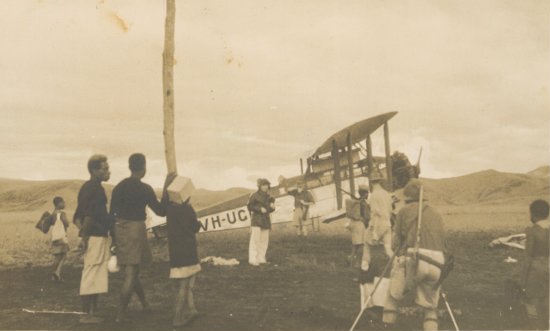
Because explorers were told, "There's no one up there (in the Highlands)," Mount Hagen was unknown to everyone except the Melpa people and surrounding tribes for thousands of years. Then in 1933 the Leahy brothers, Mick and Dan, flew over the heavily populated and fertile area known as the Waghi Valley and then organized a foot patrol to explore further into the interior. They had discovered Mount Hagen.
The city takes its name from Mount Hagen, an extinct 3765-m-tall volcano 24 km (15 mi) to the northwest. The volcano takes its name from former German colonial official Curt von Hagen. Until the 1990s, Mount Hagen was a fascinating and largely peaceful place to visit, with PNG Highlanders still walking around in traditional costumes. Now, it is radically different from the Mount Hagen of former years. While still interesting and exciting to visit, the traditional costumes are reserved for special occasions such as the Hagen Show (see right) and modernization has swept the city. Sure, you can still buy bilums, woven baskets, colorful artwork, and other local crafts, but these sellers are becoming fewer and further between. These changes are at the expense of more modern conveniences, stores, restaurants, and hotels. You can purchase relatively the same items (and even a few more) at stores in Mount Hagen in comparison with Lae, the largest seaport in Papua New Guinea at the beginning of the Highlands Highway on the Huon Gulf. Mount Hagen has become rapidly urbanized, a number of nicer restaurants and stores have opened up since 2018. Nicer hotels, a nice Western medical clinic, and upgrading of existing infrastructure have brought a lot more people into Mount Hagen from several surrounding provinces and it continues to become the dominating force in the Highlands, as people come to shop, trade, sell, hang out, and work in the growing city. The city sits at an elevation of 5,502 ft (1,677 m) above sea level with a pleasant climate year round, with temperatures betwe
如何抵達
By plane Mount Hagen's Kagamuga Airport (HGU) is an international airport, and is the second-busiest airport in Papua New Guinea behind Port Moresby's Jacksons International Airport. Papua New Guinea's two major airlines (Air Niugini and PNG Air) serve the airport, as do a few smaller carriers including MAF and Hevilift. These operate charter flights to cities such as Port Moresby, Goroka, Lae, Madang, or remote bush locations. There are no regular international flights to the airport. Port Moresby is the only airport in PNG with regular international flights.
Air Niugini connects Mount Hagen several times daily with Port Moresby. From here, Air Niugini flights can be taken all over the country anywhere that Air Niugini services. Air Niugini is the preferred airline for tourists travelling to and around PNG, as they follow strict schedules and are fairly reliable. They also have a broader network and wider fleet. Prices are a bit more expensive than PNG Air's prices, but definitely worth it. As of 2023, Air Niugini's planes are breaking down, and it is trying to fulfill its normal schedules with fewer planes until new aircraft arrive. In 2023 - 2024, cancellations are plaguing the entire network. PNG Air flies domestically to Port Moresby and a couple of other towns. It is the only airline in PNG to offer routes between cities without going through Port Moresby. It has service from HGU to Goroka, Lae (Nadzab Airport), Madang, Tari, and Kiunga. Prices are cheap, but flights are not reliable. Delays and cancellations are frequent and abrupt. If flying with PNG Air, check for notifications about your flight, and inquire often as to the status of your flight (no flight board in Mount Hagen and the board in Port Moresby is not updated immediately). They won't tell you if you don't ask repeatedly. Not for the fussy or impatient! Weather moves through Mount Hagen every afternoon around 2-4PM, with rain usually accompanied by thunder and lightning. Planes in PNG are not
當地交通
This is a tricky topic to cover because, there is not much to cover! Besides the Highlands Highway and Kum Road (major road south of the Highlands Highway) there are not really road names in the city. Sure, all of the roads have names, but there are no street signs saying which road is which (except along the highway) and nobody knows the names of the roads. To make matters worse, Google Maps (which has the names of all the roads) is not accurate a lot of the time. Don't rely on Google Maps to give you directions to a restaurant or hotel, it will make you get lost, if anything! The easiest way to get directions to where you are going is to ask the locals. When they give you directions, listen carefully. The directions are based on landmarks, so always pay attention when listening (to know what the landmark is) and when driving to your destination (to look for the landmark and make your turn). The town isn't that big (only about 4.0 mi (6.5 km) from west to east, and only about a mile (1.6 km) wide, and there aren't many businesses or attractions in the countryside, so it's relatively hard to get lost. The Highlands Highway roughly bisects the town, so you can always ask which side of the Highway your destination is on. Most businesses are on the north side of the highway and most residences and guesthouses are on the south side of the Highway.
The Public Motor Vehicles (PMVs) deserve a mention here. Most guidebooks for Papua New Guinea (especially Lonely Planet) heavily rely on and promote the use of PMVs to navigate around the country on its limited road network. Do not follow that advice: no matter where you are, PMVs are not safe to ride in, particularly in the Highlands. Do not hop on one of these (that is, large Hino trucks with tarps over the bed and sides, the large, 27-seater Toyota Coaster minibuses, or smaller 15-passenger Toyota HiAce vans) on your own, and only with a local you can absolutely trust - which is very few. Arrange transportation with your h
必看景點
While Mount Hagen is PNG's third-largest city, there isn't really much here to see. However, these items following are the most interesting if you're looking for entertainment.
1 Mount Hagen Market, intersection of Kum Road and Highlands Highway (off Highlands Highway, just east of town.). This is the main produce market in town, but also sells some local crafts. Local fruits and vegetables, some of the best and freshest in the world, are sold here. Common produce sold here includes: sweet potatoes, local greens, cabbage, lettuce, carrots, pineapple, papaya, cucumber, bananas, oranges, green onions, peanuts, corn, pumpkin, potatoes, strawberries, capsicum, tomatoes, watermelon, taro, broccoli, and more. These vegetables come right out of the garden and are brought to market. The land is also very fertile and makes for some large and tasty fruits and vegetables. (updated Mar 2023) 2 Hagen Show, 58H4+C23, Korn (head east toward the airport; turn left at the stoplight toward the airport,
城市概覽改寫自 Wikipedia,旅遊指南來自Wikivoyage (CC BY-SA)。照片來自 Wikimedia Commons.