
Jeita
Lebanon · Asia
關於Jeita
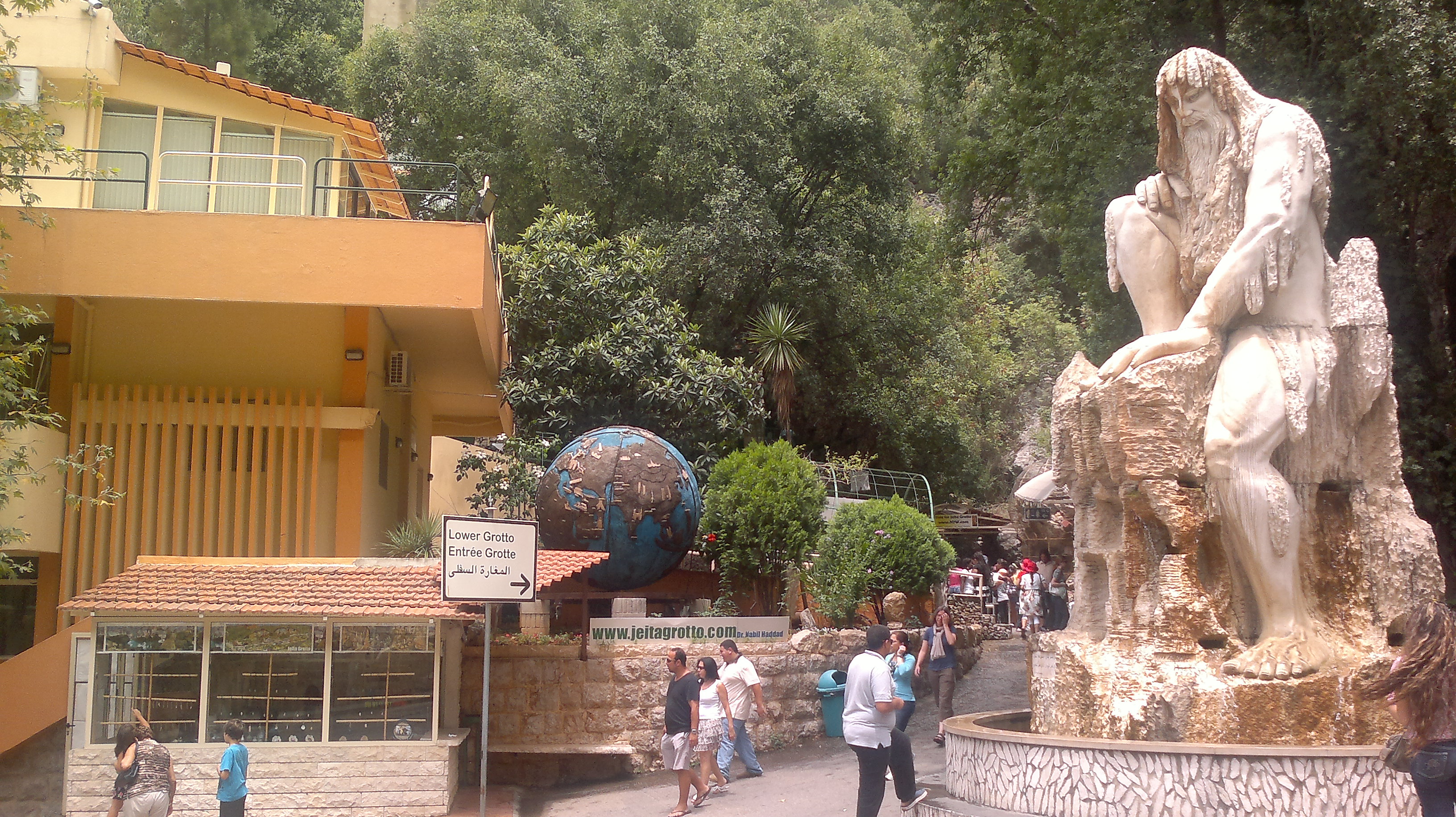
Jeita, or Jeita Grotto, is a cave located in Lebanon about 18 km north of Beirut.
Jeita旅遊指南
城市概覽
History Few caverns in the world approach the astounding wealth or the extent of those of Jeita. In these caves and galleries, known to man since Paleolithic times, the action of water has created cathedral-like vaults beneath the wooded hills of Mount Lebanon. The modern discovery of the underground river of Jeita dates to 1836 and is attributed to Reverend William Thomson, an American missionary who ventured 50 metres into the cave. Reaching the underground river, he fired a shot from his gun and the resulting echoes convinced him that he had found a cavern of major importance. In 1873 W.J. Maxwell and H.G. Huxley, engineers with the Beirut Water Company, and their friend Reverend Daniel Bliss, president of the Syrian Protestant College (later the American University of Beirut) explored these caverns. In two expeditions carried out in 1873 and 1874 they penetrated 1,060 metres into the grotto-principal source of the Nahr el-Kalb that supplies Beirut with water. They were finally stopped by "Hell's Rapids", where the river flows in torrents over razor sharp rocks. Like explorers everywhere, Dr. Bliss, Mr. Maxwell and the other engineers could not resist recording their names and the year on "Maxwell's Column", a great limestone pillar 625 metres from the entrance. About 200 metres further on, in the so-called "Pantheon', they wrote their names and details of the expedition on paper, sealed it in a bottle and placed it on top of a stalagmite. The action of the lime- impregnated water has since covered the bottle with a thin white film, permanently fixing it to the stone. Between 1892 and 1940 further expeditions were carried out, mostly by English, American or French explorers. These efforts brought them to a depth of 1,750 metres. Since the 1940s, Lebanese explorers, notably the members of the Speleo-Club of Lebanon founded by the first Lebanese speleologist Lionel Ghorra, have pushed even deeper into the Jeita grotto. Their methodical exploration reveal
如何抵達
You can get to Jeita by car. A paid parking area is provided. Open Tuesday through Thursday from 9AM to 6PM and Friday through Sunday from 9AM to 7PM. Closed on Mondays, unless it is a national holiday.
當地交通
Jeita is split into two parts: the upper grotto and the lower grotto. In the upper grotto you will get around on foot but in the lower grotto you have to go by boat because there is a lake inside. From the entry you can take a short ride up the mountain in one of four Austrian cable cars. If you prefer land transportation, a Disney-like "train" pulled by a small replica of a steam engine makes regular runs up and down the hill between the parking area and the upper galleries.
必看景點
Plan on about two hours for the tour, which includes a boat ride through the lower galleries, the visit to the upper galleries on foot and a film presentation. In summer you can visit both the upper and lower galleries while enjoying the refreshingly cool temperature inside the caves. The lower section is sometimes closed in winter when the water level is high, but the extensive upper galleries are open all year. The Lower Galleries This part of the cavern takes you to a beautiful underworld millions of years in the making. Both the 600-metre boat trip on a subterranean lake is only a sampling of the system that has been explored for almost 6,910 metres. The first impression is the sound of rushing water and a sensation of clean cold. But the roar of the waterfall at the entrance gives way to profound silence as you glide deeper into the cave. An effective new lighting system illuminates expert rock climbers-and marvel at the columns and sculptures fashioned by those great architects-water and time. The Upper Galleries The approach to these dry galleries through a 120-metre long concrete tunnel does little to prepare you for the surprising world beyond. Formed several million years before the lower caverns, this section shows what the entire cave system was like before geological conditions displaced the subterranean river to its present level. For 650 metres you wind your way through different levels of the caverns, contemplating the flowing stone draperies and other formations. Perhaps the most dramatic sight is the yawning canyons and sink holes, some seen at a drop of over a hundred metres. Near the entrance to the upper galleries is an air conditioned theater which has scheduled showings of a film about Jeita in several languages. Check which time the language you want is shown so you can coordinate the film with your visit to the cave.
購物
There are some souvenir shops selling Lebanese handicrafts.
美食
The facility has several restaurants, snack bars and restrooms.
住宿
There is no possibility to stay over night in the caves but Beirut is only 18 km away.
順遊推薦
Probably you're just coming here on a day-trip from Beirut.
城市概覽改寫自 Wikipedia,旅遊指南來自Wikivoyage (CC BY-SA)。照片來自 Wikimedia Commons.