
Jardines de la Reina National Park
Cuba · Americas
關於Jardines de la Reina National Park
Jardines de la Reina National Park (officially Parque Nacional Jardines de la Reina) is a protected archipelago of more than 600 small islands in the Caribbean Sea off the southern shore of Central Cuba. It is a popular scuba diving destination known for its rich abundance of coral reefs with diverse marine life including numerous species of shark, sea turtle, and tropical fish.
Jardines de la Reina National Park旅遊指南
城市概覽
The park is quite large covering a surface area of 217,000 hectares. It is one of the largest marine parks in the Caribbean, stretching for 135 km.
History Christopher Columbus discovered the archipelago in 1494 and named it in honor of the Queen of Spain, Isabelle I. It remained uninhabited and lightly visited ever since. In 1996, much of the area was declared a protected reserve and in 2010, it was established as part of the Cuban national parks system.
Landscape The park lies offshore to the south of Cuba's central coastline. It is a cluster of small coral sand islands called cays. There are more than 600 of these small islands, most very low and flat with clusters of palm and pine trees. Soft sandy beaches line most of the islands. Coral reefs fill the shallow waters between the islands.
Flora and fauna
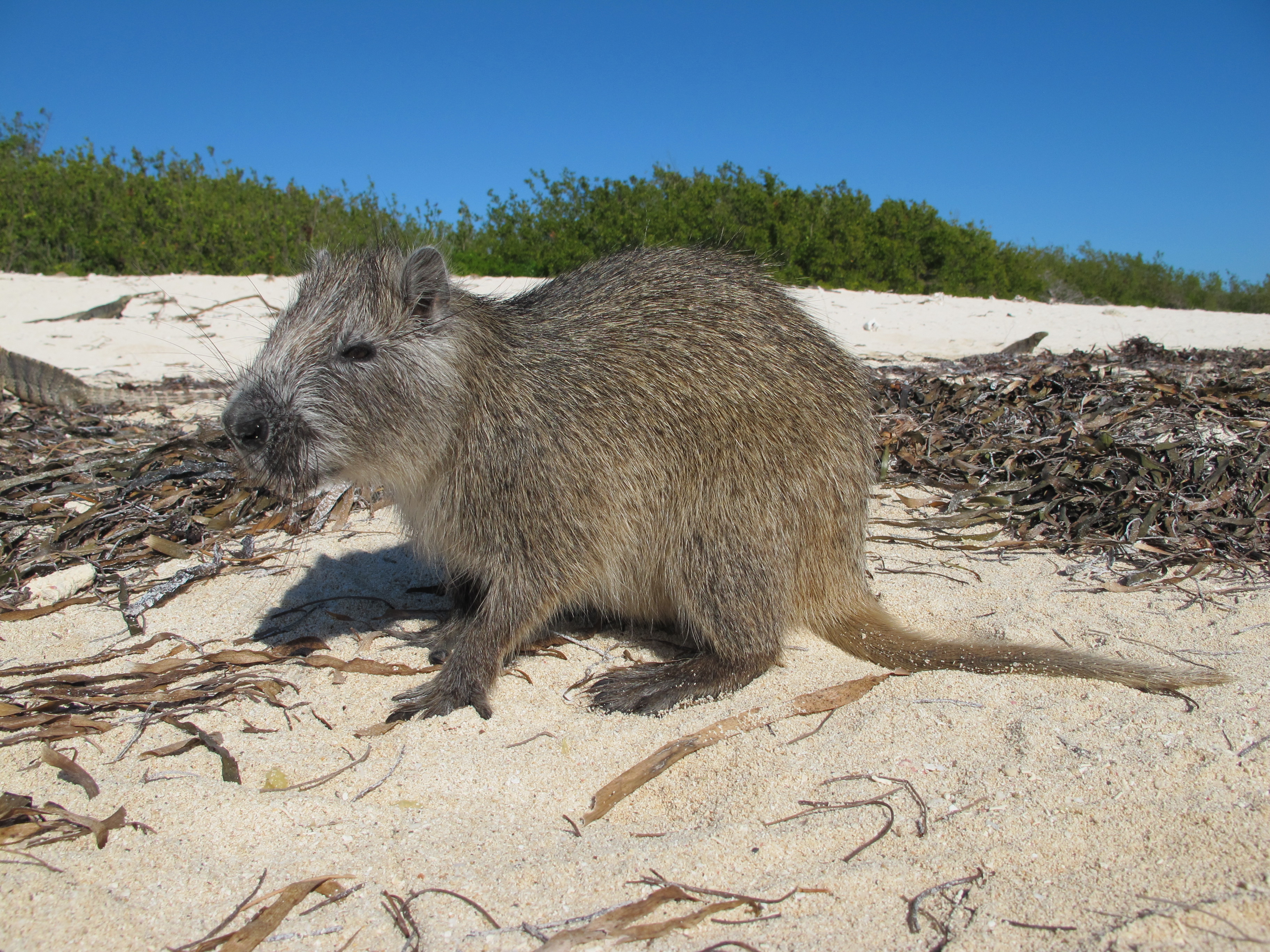
Plant life on the islands and cays of the park consists of palm and pine trees, shore grasses and beach grapes, and mangrove swamps along many shorelines. Animal life is mostly iguanas and non-migratory aquatic birds, including pelicans, spoonbills, gulls, and herons. An interesting animal endemic to Cuba and other Caribbean islands is the jutia, a large rodent that somewhat resembles a rat, though it's more closely related to a guinea pig or a capybara.
Climate
如何抵達
It's an archipelago, so you'll need to take a boat. Most travelers arrange a dive trip or fishing trip through a tour operator who hires the boat and arranges bus transportation to a port, usually Jucaro, which lies northwest of the archipelago. From Havana, a bus to Jucaro takes 5-6 hours. Divers will generally board a live-aboard cruiser to get out to the park. The cruiser will be home for the length of the trip. Fishermen will sometimes board a speedboat or other fast craft to get into the archipelago. The faster craft can make the trip in 2-1/2 hours while the live-abord cruisers will take about 5 hours.
體驗活動
Fishing: The park was a favorite fishing spot of former President, Fidel Castro. Only catch-and-release fly fishing is allowed in the park. Anglers can catch various types of grouper as well as bonefish, snapper and others. Scuba diving: The park is famous as one of the world's most pristine coral reef archipelagos with healthy coral reefs and high concentrations of groupers and endangered shark species.
城市概覽改寫自 Wikipedia,旅遊指南來自Wikivoyage (CC BY-SA)。照片來自 Wikimedia Commons.