
Inca Trail to Machu Picchu
Peru · Americas
關於Inca Trail to Machu Picchu
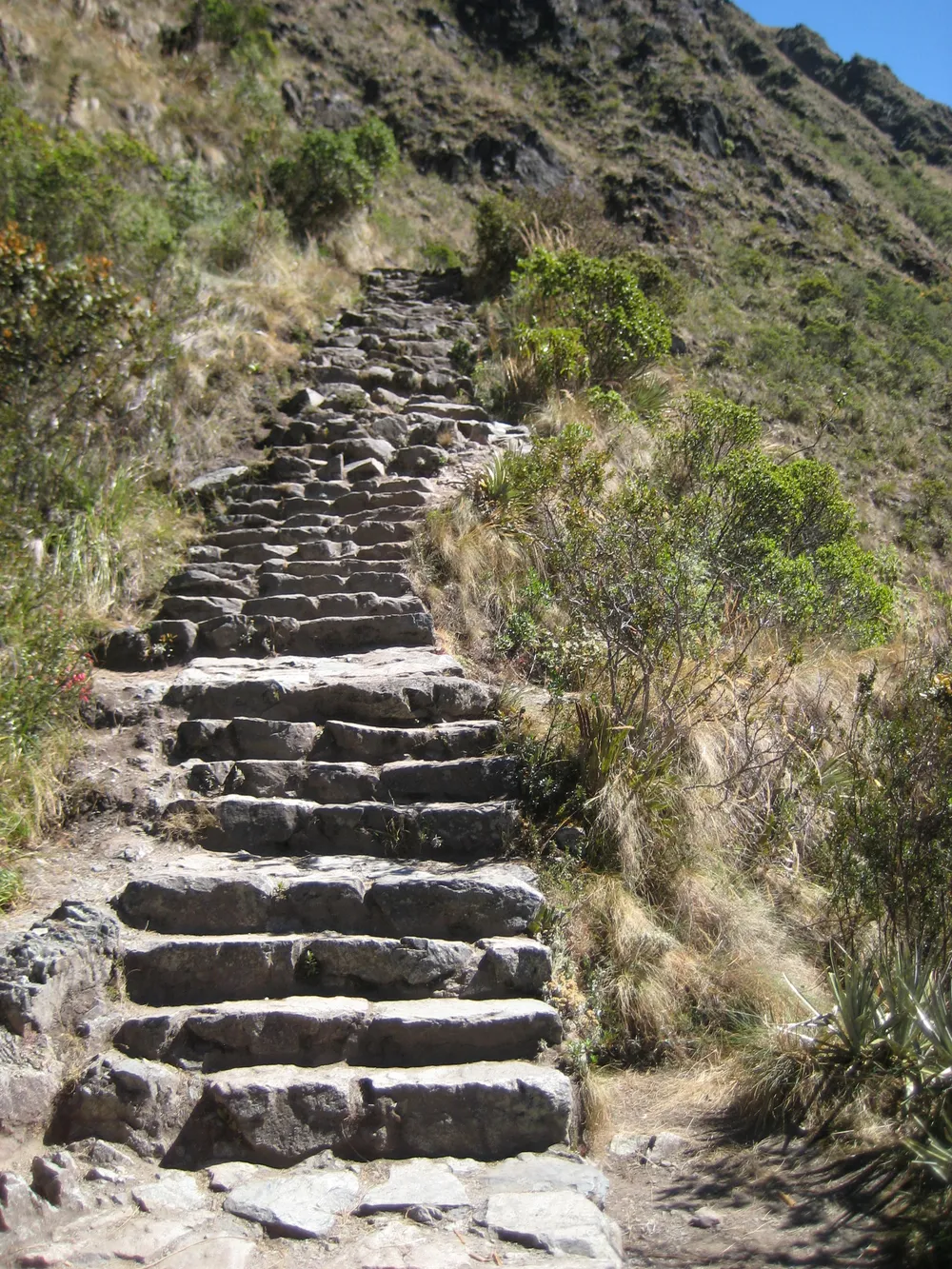
The Inca trail to Machu Picchu, the "Lost City of the Incas", is a world-famous trek in Peru. It's the best known part of the Inca road system, which was listed as a UNESCO World Heritage site in 2014. The hike takes you past staggering mountain scenery and many impressive Inca ruins, through ecosystems ranging from mossy forests to stark peaks. For much of the trail, you're walking on the very stone paths laid by the Incas hundreds of years ago.
Treks vary significantly in style, from budget backpacking to high-end glamping, but typically consist of 4 days and 3 nights on the trail itself. While the main route is fixed, timing and campsites vary. The trail requires reservations months in advance, and all trekkers must be part of a tour group, which includes porters and a guide. In addition to keeping you safe, organized, and on schedule, guides have extensive knowledge of the ruins, their history, and the variety of plants and animals that can be found along the trail.
Visits generally start from Cusco, the capital of the Incas. Due to the need to acclimatize to the altitude for a few days, the trek itself must be part of a longer trip, usually a few days in Cusco and the Sacred Valley; see Inca Highlands.
Inca Trail to Machu Picchu旅遊指南
城市概覽
Many countries have mountain ranges with beautiful scenery and Peru itself is richly blessed in this respect with many other areas for hiking. However the scenery is only one of the elements responsible for the magic of the Inca Trail. Can there be any walk anywhere in the world with such a combination of natural beauty, history and sheer mystery and with such an awe-inspiring destination? The various Inca ruins along the way serve to heighten the hiker's sense of anticipation as he or she approaches what would surely find a place in any new list of archaeological wonders of the world - Machu Picchu. The ruins on the trail are all many times less crowded than Machu Picchu, and most are open for exploration without the ropes and blocked-off areas at your final destination. If you're lucky, you'll also see colorful flowers and birds, and possibly even other animals on the trail. At the height of the Inca Empire, their road system was the most extensive transportation system in South America, stretching from what is now Colombia all the way to central Chile. The branching network of roads, many of them paved with stones, totaled close to 40,000 kilometers. Unfortunately, with the conquest of the Inca Empire by the Spanish in the 1500s, most of the roads have been destroyed or left to deteriorate. Many of the surviving portions are unmapped and little explored, but a few sections have been cleaned up and restored. The most famous of these is the Inca Trail, which allows you to walk in the footsteps of the Incas, on the same stone paths that they laid and used to get to Machu Picchu hundreds of years ago. The trail is 45 km/26 miles from start to finish, but it feels like more: you gain and lose hundreds of meters of altitude multiple times, and much of the trek is above 3,000 meters where oxygen is noticeably thinner. Acclimation to the altitude is a must, and good physical condition advised. The journey winds through the valleys and hills of the surrounding area, takin
如何抵達
See Inca Highlands. You first need to spend a few nights in Cusco (and before that, preferably a night or two in the Sacred Valley) to acclimatize to the altitude. From Cusco, you can take a train, bus, or private car to the trailhead. This will likely be arranged by your tour group, so you just need to get to Cusco. Some tour companies may also be able to pick you up from Ollantaytambo or Urubamba instead of Cusco. Since these are closer to the trailhead, this option lets you get a couple extra hours of sleep before starting the trail.
順遊推薦
Machu Picchu, of course. Aguas Calientes, if spending the night. Ollantaytambo, other major Inca ruin, and on the train back Other sights in and around the Sacred Valley and Cusco.
Other treks Many alternative treks in the area, some also ending at Machu Picchu, are run by some of the same companies.
Keep hiking, by long, demanding hike to Choquequirao (similar ruin to Machu Picchu, much less-known), then short (2-day) hike down to Cachora and bus back to Cusco. Salkantay Trek, passing by the staggeringly tall Salkantay peak on the way to Machu Picchu Two-day Inca Trail, where you only hike past a few ruins, for people who want a taste of the Inca Trail but aren't ready for a big four-day trek
城市概覽改寫自 Wikipedia,旅遊指南來自Wikivoyage (CC BY-SA)。照片來自 Wikimedia Commons.