
Ilhabela
Brazil · Americas
關於Ilhabela
Ilhabela is an archipelago and a municipality in the North Coast of São Paulo.
Ilhabela旅遊指南
城市概覽
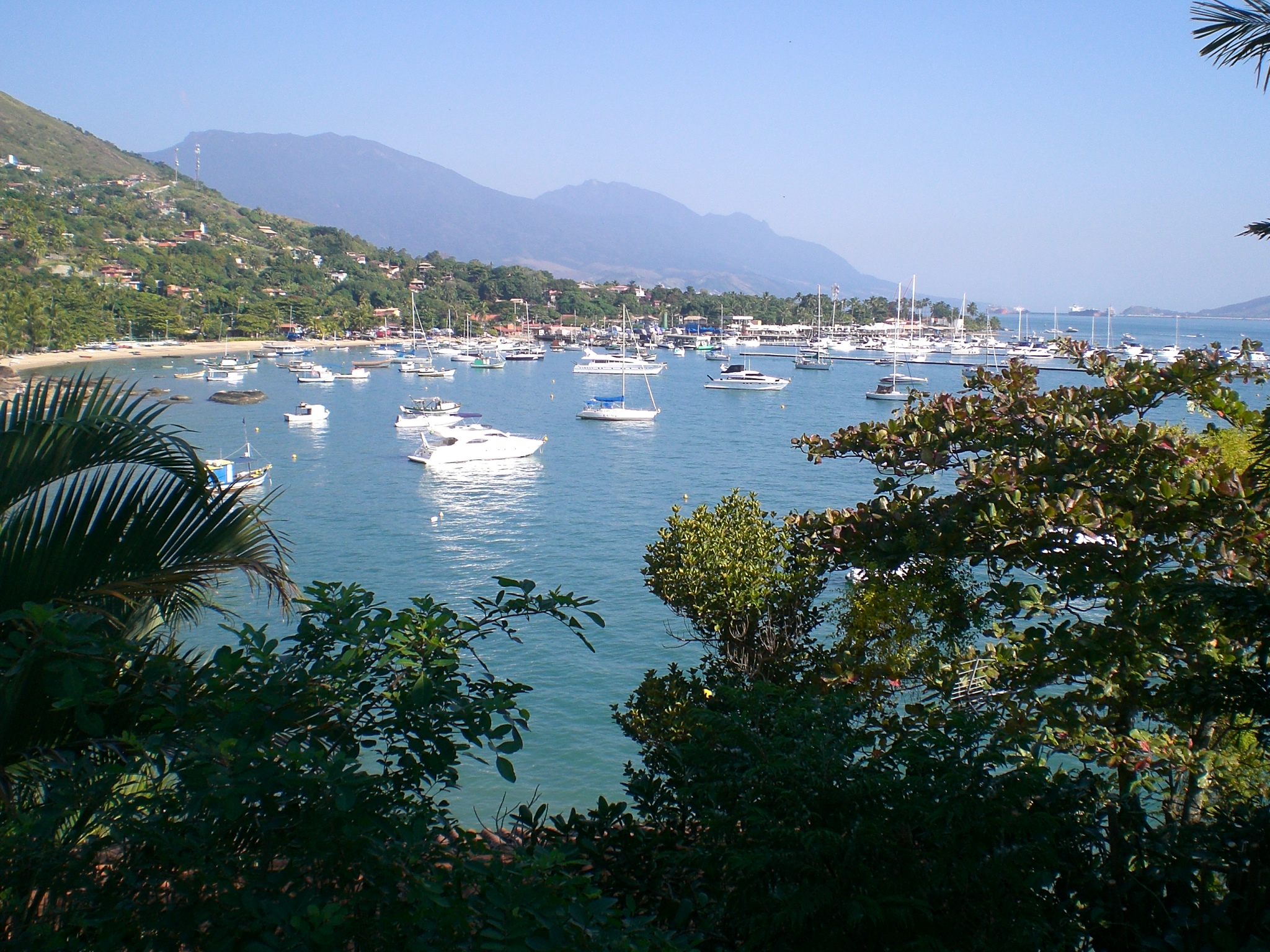
Ilhabela is considered one of the natural paradises of the São Paulo coast, along with Ubatuba (Ilhabela means literally "beautiful island" in Portuguese). It is known for its forest-covered mountains, its amazing beaches, its savage trails - and difficult not to mention, also its vicious sand flies. In pre-colonial times, the largest island of the archipelago, São Sebastião, was called Maembipe by Native Brazilians, who used the island for trade and prisoner exchange. The island was discovered in 1502 by the Portuguese, and although settlement began shortly thereafter, the village of the island was officially founded only in 1806, with the name of Vila Bela da Princesa ("Beautiful Village of the Princess"). The municipality would finally be named "Ilhabela" in 1945. In 1977, the majority of the archipelago's area was declared a state park and a UNESCO Biosphere Reserve.
如何抵達
To get to Ilhabela it is necessary first to go to São Sebastião (the city on the coast, not the island), where a ferry boat, located at the end of Al. São Sebastião (downtown) departs. The bus from São Paulo is about R$70, and ride sharing about R$35-40. There are buses from São Paulo that stop at the ferry boat point, if you are not up to walk 1 km from the São Sebastião intercity bus terminal.
1 São Sebastião - Ilhabella Ferryboat terminal (Travessia São Sebastião - Ilhabella), Av. Antônio Januário do Nascimento, s/n - Centro, São Sebastião, toll-free: 0800 773 3711. Open 24 hr. From here you can catch a ferryboat to/from Ilhabela. Ferry boats depart every 30 min. between 06:00-00:00, and every 1 hour between 00:00-06:00. The duration of the crossing is 15 min. In high season, a queue of up to 1 hour for vehicles is not uncommon. Pedestrians and cyclists free; cars R$11-17; motorbikes R$6-9. (updated Dec 2017)
當地交通
Since construction in Ilhabela is mostly restricted to the West coast of the São Sebastião island, there is really just one avenue and getting around, by bus or by car, should be simple. The coast has many slopes, making cycling not a very attractive option. Walking is fine, as there are plenty of sidewalks and other infrastructure for pedestrians, but the occasionally long distance between towns can be a problem. Additionally, the municipality operates several bus services that run the length of the island (one-way R$4 without / $R2.50 with IC card). While not as comfortable as traveling by car, the bus provides a cheaper alternative for those looking to get around the island. There are also a couple of non-pavimented roads that give access to remote points of the island, like the Castelhanos beach in the East coast. To reach the other side of the coast, you do not necessarily need a 4WD—the road is a proper but unpaved track. Note that only in the morning you are allowed to go west to east, and in the afternoon to go east to west on the Ilhabela-Castelhanos road, which is controlled by the national park staff at the entrance. The rest of Ilhabela can only be reached by boat or by trails in the rainforest.
必看景點
Northwest beaches The beaches of the Northwest coast are easily accessible using the main avenue and the non-pavimented road in the north. Most have calm waters and are adequate for nautical sports. They occasionally suffer from pollution originated in the mainland.
1 Armação (Praia da Armação), Armação (12 km north of ferry). Suitable for windsurf and kitesurf. Contains a charming church, Capela Imaculada Conceição, and some kiosks and restaurants. 2 Pedra do Sino (Praia do Pedra do Sino), Garapocaia (between Siriúba and Poço). One of the most famous beaches of Ilhabela, it gets its name from its rock formations, which produce a bell-like sound when they hit each other. With shallow and calm waters, and white sands surrounded by coconut trees. 3 Ponta Azeda (Praia da Ponta Azeda) (accessible from Praia do Pinto). Small and with calm waters. 4 Siriúba (Praia do Siriuba), Av. Leonardo Reale, 2986 - Siriúba (8 km north of the ferry). Quiet beach surrounded by coconot trees, with calm waters. 5 Barreiros (Praia de Barreiros) (7,5 km north of ferry). Beautiful beach with 600 m extensions and calm waters. Before reaching the beach there is a nice view of the São Sebastião channel. 6 Itaquanduba (Praia de Itaquanduba). Small and quiet beach, with calm waters. Mostly frequented by locals. Pequeá. Close to downtown and good for sailing. With bars and restaurants. 7 Jabaquara. Quiet, scenic bay on the north side of Ilhabela, known for its clear, calm waters, dark sand, and lush green hills rising steeply behind the shoreline. (updated Jun 2026)
Southeast beaches The beaches of the Southeast Coast are difficult to access and mostly desert. Many have strong waves, being indicated for surfing.
8 Caveira (Praia da Caveira) (south of Serraria island). Diving point. Only accessible by boat. 9 Enchovas (Praia das Enxovas) (50 min. trail from Bonete). One of the most beautiful spots of the island. With thick and yellow sands, rocks and a river. 10 Indaiúba (Praia de
體驗活動
Sailing and surfing. Ilhabela is called "the capital of sailing" for good reason, as the calm waters and strong winds between the main island and the continent are perfect for nautical sports such as sailing, kitesurf and windsurf. (updated Dec 2017) Scuba diving. There are a good number of places indicated for scuba diving. (updated Dec 2017) Boat rides. For those who want a more relaxed time, an option are the boat rides to remote beaches, fishing spots and the smaller islands. (updated Dec 2017) 1 Parque dos Castelhanos, toll-free: 0800 113560. Cars to Castelhanos: 08:00-14:00, from Castelhanos: 15:00-18:00 (15 km to the beach). The park gives access to the beach(es) on the other side of the island. (updated Mar 2019) 2 Waterfalls (Água Branca Trail). The Parque dos Castelhanos offers some refreshing waterfalls to take a dip right at its entrance. There is also a great bird observation tower. 4 km, 1 hr. (updated Mar 2019)
Trekking and mountain biking Besides the full south, east, west jungle Bonete Trail, the island offers many shorter hikes, e.g. Pico do Baepi. Also, inside the island, trekking and mountain biking shall give plenty of adventure for those who seek it.
3 Bonete Jungle Trail (Trilha do Bonete, 44 km) (Take a bus along the western coast to the most southern point, from here it is 44 km by Bonete, Castelhanos and back to Cambaquara. You might be able to skip the last 16 km across the hills by taking one of the many 4WD that bring tourists back to Cambaquara in the afternoon.). If you need a break from the constant Brazilian hassle and concern for your life, this is where you need to head. You can see monkeys, all kinds of birds, lush jungle forests, beautiful beaches, picturesque waterfalls, and take a dip in one of the many river pools. You should do the full trail, because you really do not want to take the bus twice. There are some camping site along the trail, both backcountry as well as serviced ones.S
城市概覽改寫自 Wikipedia,旅遊指南來自Wikivoyage (CC BY-SA)。照片來自 Wikimedia Commons.