
Huaraz
Peru · Americas
關於Huaraz
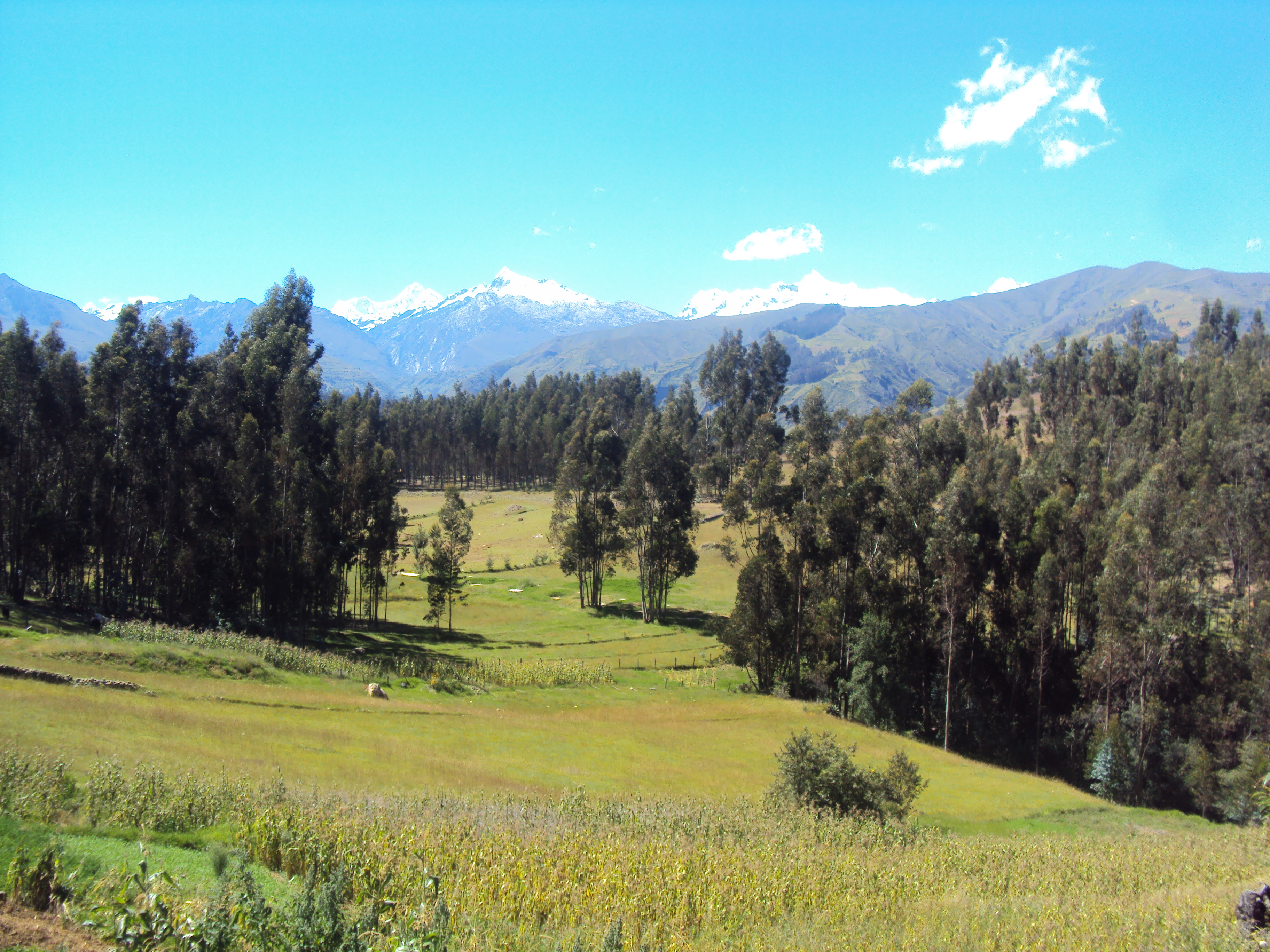
Huaraz is a large town in the Cordillera Blanca region of Peru's Central Sierra.
Huaraz旅遊指南
城市概覽
Huaraz stands tall at 3100m; travellers from Lima might need a day or two to acclimatize to the change in atmosphere. See Altitude sickness for advice and more information. July is a good time to visit the region; the temperature is perfect for walking and the sky is free from clouds and rain. It's also a good time as the July period has many of Peru's annual event celebration dates. The town puts on a tremendous night of entertainment each year for most of the days, featuring live music and more. Well worth a look if you are in the region. A town of 100,000, it blends a mix of modern and native culture. The town has many markets and shops catering to tourist needs and local needs. The food markets are especially interesting and are a great starting point for getting supplies for expeditions. Be sure to shop about before purchasing/hiring (especially for mountaineering gear) as often a better price can be found elsewhere with a bit of bargaining. The town has many places offering cheap internet access; although a bit slow, the connection is usually reliable. The town has a big post office and a few banks. Huaraz also has a mix of old and new restaurants offering a variety of dishes. Cuy (guinea pig) is a regional dish; perhaps something to say one has tried but not something to make a diet of! There are a few night clubs and many bars open late. Common sense would advise people not to travel alone at night, but one feels safe in the city where the locals were very willing to help out where possible. Like many places in Peru, it's not wise to take much money with you at any one time if you can possibly avoid it.
如何抵達
By bus Huaraz is approximately 8 hours coach drive from Lima; it's simple and a reasonably cheap and reliable service. Movil Tours, Ormeño, Cruz del Sur and CIAL are most frequently recommended bus companies. When you arrive you will find out that ´captadores´ are trying to bring you to lowly recommendated hostels and places. They spread bad words about the hostel you are willing to go to. Do not believe any of these popular phrases like: that hostel is always full, that hostel is far away. Especially at Cruz del Sur it is tough to leave. These 'captadores' get commission for each night you stay at the place that they recommend. There are several daily buses to and from Chimbote & Trujillo. Movil Tours & Transportes Linea are the best (US$14, 7 hours to Trujillo), followed by Chinchaysuyo & Comite 14, all of which only travel by night, & continue to Trujillo. All night buses travel on the tar sealed road from Huaraz to Pativilca (Caral is near there) to the Panamerican Highway, midway between Trujillo & Lima. Transportes Linea , America Express & others run from Trujillo from 06:00 or earlier to catch the 8-8.30AM bus of Turismo Huaraz & Yungay Express from Huaraz via Caraz & the spectacular Cañon del Pato. It's a rough 8-hour bus ride, the buses are basic for the unsealed road (Caraz to Chimbote) and may be overcrowded between Caraz & Huaraz. The views are stunning. Price is around S/25 (soles). If you have your own vehicle, obtain permission (and confirmation of entrance times if maintenance is in progress) from Proyecto Chavimochic in Trujillo (Telefax +51 44 272286) or Viru to leave the Panam (485 km north of Lima) via the well kept Brasileiros maintenance road alongside the canal to the north bank of the Santa River to Cañon del Pato. It is possible to cover Trujillo to Caraz in 5 hours (and photo stops) on this straighter, smoother road. Almost 40 tunnels are large enough for all but the largest tourist buses. There are also day buses between Huaraz & Chimb
當地交通
In Huaraz, taxis are cheap and fast for getting about the town. Be wary of dubious taxi drivers and cabs. Peru does have a problem with taxis in some places, and tourists have been known to be mugged or assaulted in them. Women should be careful not to travel alone, especially in taxis and especially at night. Huaraz is, however, a comparatively safe city — for men and women — and is easily maneuvered by the seasoned traveller, particularly those who can speak Spanish. However, just as in any part of Peru, staying aware of your surroundings and avoiding potentially dodgy situations is advised. Also if you need to rent a car to go out of the city, are a variety of companies that make this service, the most prominent being Andes Renta Car Huaraz. www.archuaraz.com You can contact trough email [email protected] or call +51 43422423 or 943626780 in order to get information about the cars, trucks, prices, etc. Andean Rent a Car offers a good service with a drivers that know the routes.
必看景點
Archeological Sites. Within walking distance of Huaraz is the Wari ruin of Wilcawain. Monumento Nacional Wilcahuaín is a small Wari tuin that dates bakes to 600 to 900 AD. This temple complex is virtually undamaged, providing a unique opportunity to see a complete pre-Columbian building in Peru. It is an imitation of the temple at Chavín, in the Tiahuanaco style. Wilcahuaín means 'grandson's house' in Quechua. The ruin was originally filled with mummies who were kept dry by using a sophisticated ventilation system. It is not only interesting in itself but can be visited on a great acclimatization hike that leaves right from town. It is easiest to take a combi there (uphill) and walk back via an old Incan trail (approximately 2 hours). Huaraz is also the departure point for tours to see Chavín de Huántar, the center of a cultural and artistic revolution in Peru that took place between 600 and 300 BCE. Museums in Huaraz contain many fine examples of Chavin sculpture and older Cupinisque pottery.
Puya Raimondi. Puya Raimondi are the biggest pineapple (bromeliad) plants of the world. They bloom with 50-75 years once for 9 months with 8,000-10,000 niches and a flower altitude of up to 10 m height, then they die. They grow between 3500 and 4700 m altitude. The Museo Regional de Ancash, The Museo Regional de Ancash houses the largest collection of ancient stone sculptures in South America. It gives information about all the cultures that have inhabited the Cordillera Blanca region. It is small but interesting, it has a few mummies, some trepanned skulls (an ancient form of surgery involving cutting into the skull) and a garden of stone monoliths from the Recuay culture (400 BC to AD 600) and the Wari culture (AD 600 to 1000). A pottery collection, textiles, and metal works cover the Wari, Chimú, and Inca cultures.
體驗活動
Find the practical map guide in most of the bars or laundries.
Trekking - The region is a trekkers paradise; it features breath taking views and an escape from the hive of people seen in other famed trekking locations like the Inca trail. Although one could do it on ones own, it's advisable to get a guide and run it through a specialist company. There are many companies offering these services. The House of Guides (Casa de Guías) offers professional free information, and maps for a price. They have a check i
城市概覽改寫自 Wikipedia,旅遊指南來自Wikivoyage (CC BY-SA)。照片來自 Wikimedia Commons.