
Haiti
Haiti · Americas
關於Haiti
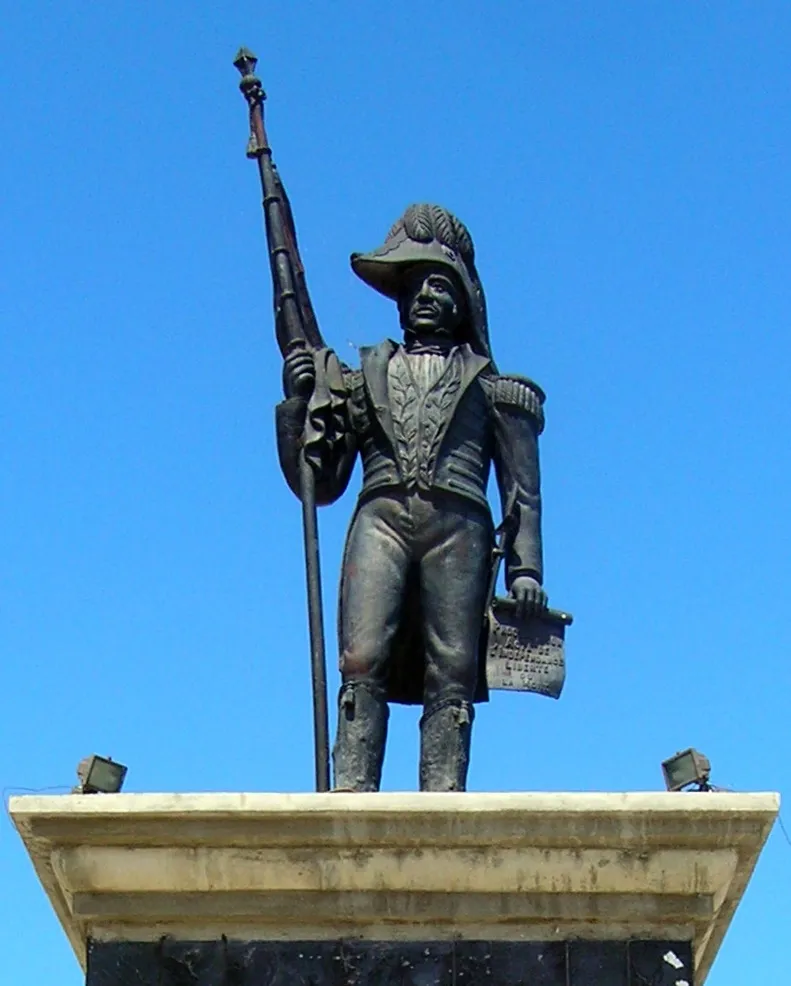
Haiti (Haitian Creole: Ayiti, French: Haïti) is a Caribbean country on the western half of the island of Hispaniola. The poorest country in the Western Hemisphere, the country suffers from a myriad of social, economic, and political problems and since the 1950s, it has been in the news for all the wrong reasons. However, for those with patience and an open mind, Haiti reveals a rich culture that is unique among post-colonial nations. This is the only country in the world that was established by a successful slave revolt, the first country in the Americas to abolish slavery, and all of the country's first leaders were former slaves. Haiti has a sizeable diaspora around the world, and many influential figures including W. E. B. Du Bois, Jean Baptiste Point du Sable (the founder of Chicago) and former Canadian Governor-General Michaëlle Jean were of Haitian origin.
Haiti旅遊指南
城市概覽
It is extremely helpful when traveling in Haiti to have a local contact, through a church, a hotel, or just through making friends with someone. Experiences like dining locally, riding on a tap-tap, or strolling through one of the insanely crowded outdoor markets are great fun and very worth doing but are much safer and easier if you have a trusted Haitian to go along as a guide and interpreter. Much of Haiti is struggling. It is the poorest country in the Western hemisphere, long beset by government corruption, and now imperiled by violent criminal gangs. Hurricanes are fairly frequent and there are some earthquakes.
Climate Tropical and semiarid where mountains in the east cut off trade winds, Haiti lies in the middle of the hurricane belt and is subject to severe storms from June to November. Experiences occasional flooding, earthquakes and droughts. When traveling to Haiti it is very important that you bring a first aid kit. Be sure to include a lighter, flashlight (due to Haiti’s constant power outages), an antacid such as Pepto-Bismol (Bismuth subsalicylate), instant ice packs, an analgesic such as ibuprofen (known for example as Motrin), and paracetamol, water purifying tablets (just in case), bug spray, sunscreen, antihistamine (Benadryl), etc. Be sure to not drink the water or any drinks made with the water unless you are on an American-run base with guaranteed purified water.
Terrain Mostly mountainous, with a wide, flat central plain to the north. The highest point is Chaine de la Selle at 2,777 m (9,111 ft). Deforestation is extensive, and the mountains appear positively denuded compared to those of the neighbouring Dominican Republic. Deforestation began in the colonial period when the French demanded extensive monocropping of cash crops. This problem was exacerbated by the need to pay the French the indemnity it demanded for the loss of its former colony and slaves. In addition, most cooking on the island is done over charcoal, which provided a
如何抵達
Visa requirements Haiti has open borders, which means that citizens of most countries can enter the country without a visa. The government is keen on improving Haiti's global image and is actively promoting the tourist industry. Visa-free privileges are not extended to citizens of Colombia, Cuba, Dominican Republic, Iran, Libya, Panama, Syria, Vietnam and Yemen.
By plane International travelers will arrive in Haiti at Port-au-Prince (PAP IATA) at the Aéroport Toussaint L'Ouverture or Aéroport International Cap-Haïtien (CAP IATA) in the North. The plane tickets can be purchased via many online ticketing sites and agencies. Domestic flights are usually between $125-$132 return from and to Port-au-Prince, cheaper between Port-au-Prince and Jacmel. A really cheap, dependable and popular airline is Sunrise Airways. In addition to avoiding rather dangerous and inadequate public transportation system by bus and tap-taps, flights offer a safe passage into and out of Port-au-Prince from other parts in Haiti. Airlines such as American Airlines, and JetBlue, serve Port-au-Prince from the US. Air Transat, Air France, Caribair, and among others, also offer international flights to and from Port-au-Prince. MFI (Missionary Flights International) fly to Cap also from Florida, but only registered non-Catholic Christian missionaries are welcome aboard. Other international airlines serving Cap-Haïtien include Sky King, Turks and Caicos Air and Pine-apple Air.
By road
From Santo Domingo, Caribe Tours runs a once-daily bus to Petionville (in the hills above Port-au-Prince) that leaves at 11:00. A ticket costs $40 one-way, $26 USD tax and 100 DR. Unfortunately, this bus drops you off in Petionville after dark so make prior arrangements with a trustworthy person to meet you and transport you to your lodging. There is also a crowded border crossing between the Dominican Republic and Haiti in Dajabón/Ouanaminthe. The border is open only during the day. From here you can catch loca
當地交通
By car Cars may be rented through Hertz, Avis, etc. Taxis in Haiti are usually in the form of SUVs or trucks, as most of the roads are long overdue for repairs, in addition to plethora of unpaved roads one faces while travelling in Haiti. The price is often fair (i.e., 450 gourdes from Port-au-Prince to Léogâne), but offers safety and comfort that cannot be found in riding tap-taps or buses.
By bus
"Tap-taps" are the most economical way to travel in Haiti. Haitian tap-taps are modified trucks or vans and are ubiquitous throughout Haiti. A raised wooden canopy-like cabin usually sits over the truck bed while wood benches are attached to the bed and serve as seats. Tap-taps are frequently painted bright colors, feature images of popular celebrities and elements featuring popular culture, and often bear a religious slogan, such as Jesus vous aime ("Jesus loves you"). In Port-au-Prince, most routes cost 10 gourdes ($0.25). They are also quite convenient as they will stop anywhere along the route: simply yell "merci!" to get the driver to stop. However, they are sometimes overpacked and can be quite dangerous to ride in the mountain roads where the road conditions are less than ideal. First time travellers who do not speak conversational Creole are advised not to travel by tap-tap without assistance. There are also school bus versions of tap-taps used for longer voyages. These are often modified school buses. A more comfortable alternative for long distance travel are minibuses. These congregate at various lots throughout the city, organized by destination. Seats to Jacmel, for example, cost about 150 gourdes (30 Haitian dollars, $3.75), while the more comfortable front seat may go for 200 gourdes ($5).
必看景點
Haiti's heritage is shaped by the world's first independent Black republic, blending West African traditions and French colonial influences. It boasts unparalleled historical monuments, a vibrant arts scene, and rich spiritual traditions of Vodou. Haiti is the birthplace of liberty in the Caribbean, and sites like the Citadelle Laferrière and ruins of the Sans-Sousi Palace are both recognized as UNESCO World Heritage Sites. Port-au-Prince has some landmarks, structures and statues, such as a large pair of hands holding the earth. Many of these are close to the airport. This city is the largest in Haiti and was the most affected by the earthquake. You will still see evidence of the disaster, such as crumbling buildings, but much reconstruction has taken place. When you go a short distance outside of the city, you will have a better idea of the devastation. There are still people living in the "tent village," which extends for about two miles and is made up of small tarps draped over sticks stuck in the ground. As you go on, you may pass one of the mass graves dug after the earthquake, but you probably will not realize it is a grave. It's on the side of a small mountain, and the grass has grown over the turned earth. There are no markings but you wi
城市概覽改寫自 Wikipedia,旅遊指南來自Wikivoyage (CC BY-SA)。照片來自 Wikimedia Commons.