
Gwaii Haanas National Park Reserve and Haida Heritage Site
Canada · Americas
關於Gwaii Haanas National Park Reserve and Haida Heritage Site
Gwaii Haanas National Park Reserve and Haida Heritage Site (often shortened to Gwaii Haanas) is a national park reserve in Haida Gwaii in British Columbia. Gwaii Haanas protects an archipelago of 138 islands, including traditional territory of the Haida Gwaii First Nations (Indigenous) people.
Gwaii Haanas National Park Reserve and Haida Heritage Site旅遊指南
城市概覽
The reserve covers an area of 1,470 km2 (570 sq mi), and was established in 1988. It is in the southernmost Haida Gwaii (formerly known as Queen Charlotte Islands), 130 km (81 miles) off the mainland of British Columbia. The largest of the islands is Moresby Island and the southernmost being Kunghit Island. Gwaii Haanas came first in a survey of US and Canadian national parks in National Geographic Traveler magazine, recognized for its pristine environment and sustainable management practices.
History
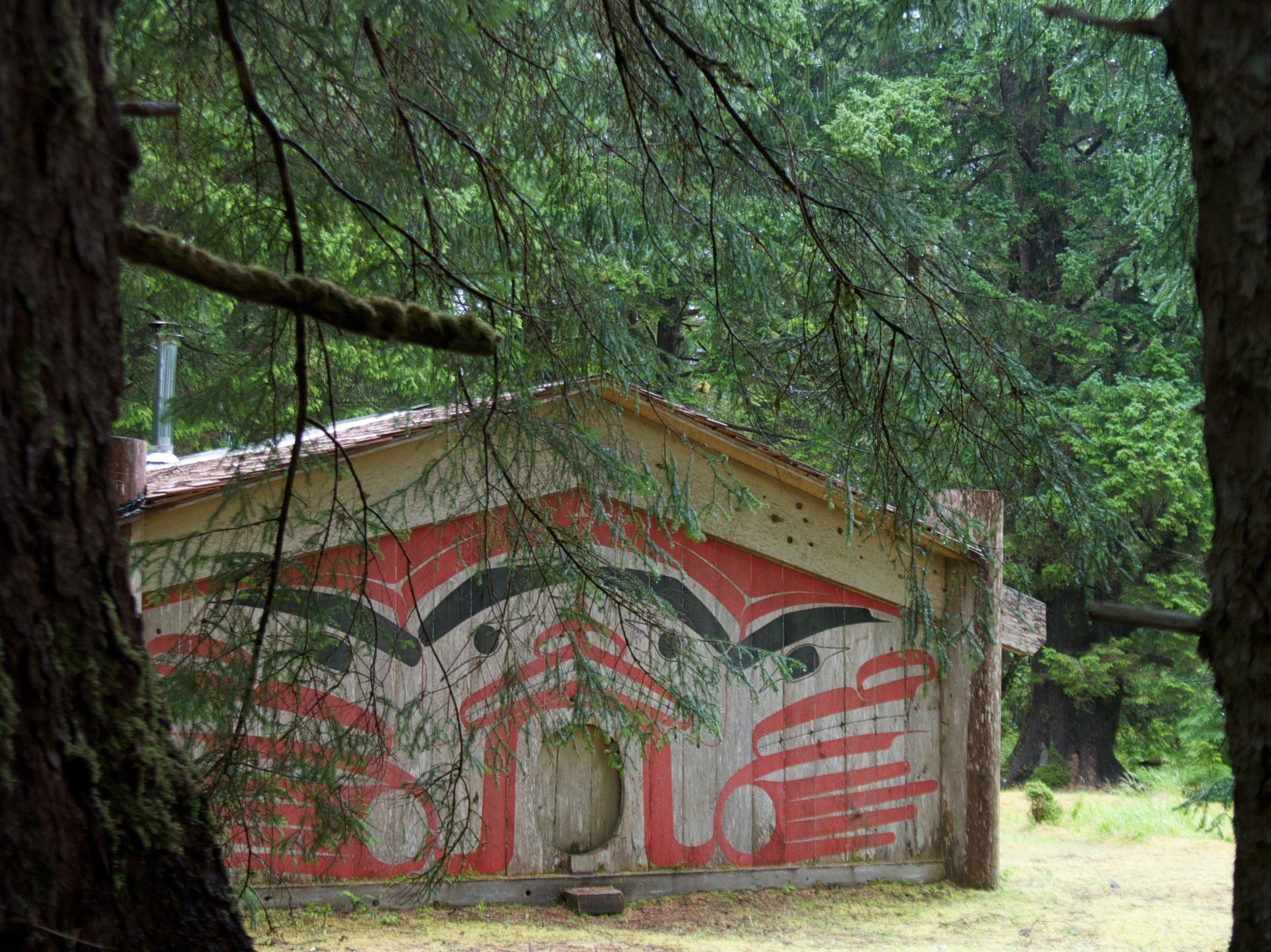
Ninstints (Nan Sdins) or SG̱ang Gwaay Llnaagay on Anthony Island, located in the southernmost part of Gwaii Haanas, just west of Kunghit Island, was declared a UNESCO World Heritage Site and a National Historic Site of Canada in 1981. The remains of a Haida village on the eastern side of the island - SG̱ang Gwaay Llnaagay - represent an outstanding example of a traditional Northwest Coast First Nations village site, complete with standing totem poles and the remains of cedar longhouses. Haida people have a continuing presence at SG̱ang Gwaay and four other village sites between May to September as part of the Haida Gwaii Watchmen Program. Between two and four Watchmen live at each site serving as guardians to protect the natural and cultural heritage of these sites. Other historical villages within the boundaries of Gwaii Haanas included Cumshewa, Clew (Tanu) and Djí-gua.
Landscape The landscapes of Gwaii Haanas vary from deep fjords to rugged mountains, salmon spawning streams to sub-alpine tundra. Close to 90% of Gwaii Haanas is forested, 9% is alpine and sub-alpine tundra. The remaining 1% is made up of lakes and wetlands. As water drains from the highest mountains, including the rugged San Christoval Range with peaks over 1,100 metres (3,609 feet), it helps fill over 40 freshwater lakes. In turn, this water drains through more than 100 salmon spawning streams. The reserve includes the Hotspring Island, with a hot spring.
Flora and fauna
Flora The west
如何抵達
Gwaii Haanas is a remote location, accessible by sea kayak, boat or chartered floatplane only. The park reserve has no roads and is accessible only by boat or seaplane. Most visitors – both independent travellers and people on guided tours – use communities on nearby Graham and Moresby Islands as a starting point. All visits to Gwaii Haanas require trip permits, with excursions lasting anywhere from a day to a week or more.
必看景點
1 SGang Gwaay (a UNESCO World Heritage Site). An island off the southern Haida Gwaii. The island has the remains of a village of the Haida community of 300 people and many remaining totem poles. The village was ravaged by disease in the 1880s.
住宿
Camping Gwaii Haanas has no formal campsites, but many small pebble beaches, sandy stretches, and headlands. Please leave each place as you found it, and try to stay out of sight and sound of other groups. Some areas are permanently or temporarily closed to camping/access. Whenever possible, camp on the sand or rock above the high tide line to minimize impact to local vegetation. Choose a spot for gathering and cooking that is least likely to damage shoreline vegetation. Camp away from the mouths of streams, especially during salmon spawning season (mid-August on). Use a portable stove to cook your food. Keep any campfires below the high tide line and away from drift logs. Use driftwood for your firewood, not understory branches. Keep the fire small so it burns to ash and the next incoming tide will wash it away. Remove charcoal and scatter any rocks used for a hearth. Do not stir the ashes into the sand and gravel, as they will then take longer to wash away. Wash your dishes in the ocean with biodegradable soap and sand as a natural scrubber. After eating, immediately burn food scraps or bag them securely for packing out. Return fish entrails to the sea. Bears and other animals are quickly attracted to kitchen waste, even if it has been buried. Improperly handled food waste can create a dangerous situation for the next camper. Bring ropes and a food storage system to hang food out of reach of animals. Reduce the amount of garbage you create. Plan meals so that you don’t have a lot of uneaten food. Choose packaging that is lightweight, compact, and reusable. Pack out all garbage. Burn toilet paper and paper in your campfire, but do not burn cans, foil, or plastics, or throw these and other garbage into the ocean. For your time, use the intertidal flush. Make your deposit as close as possible to the water line, and cover with a rock afterwards so others do not step on it. Micro-organisms in the marine soil effectively decompose faeces. If you have no alternati
城市概覽改寫自 Wikipedia,旅遊指南來自Wikivoyage (CC BY-SA)。照片來自 Wikimedia Commons.