
Caraguatatuba
Brazil · Americas
關於Caraguatatuba
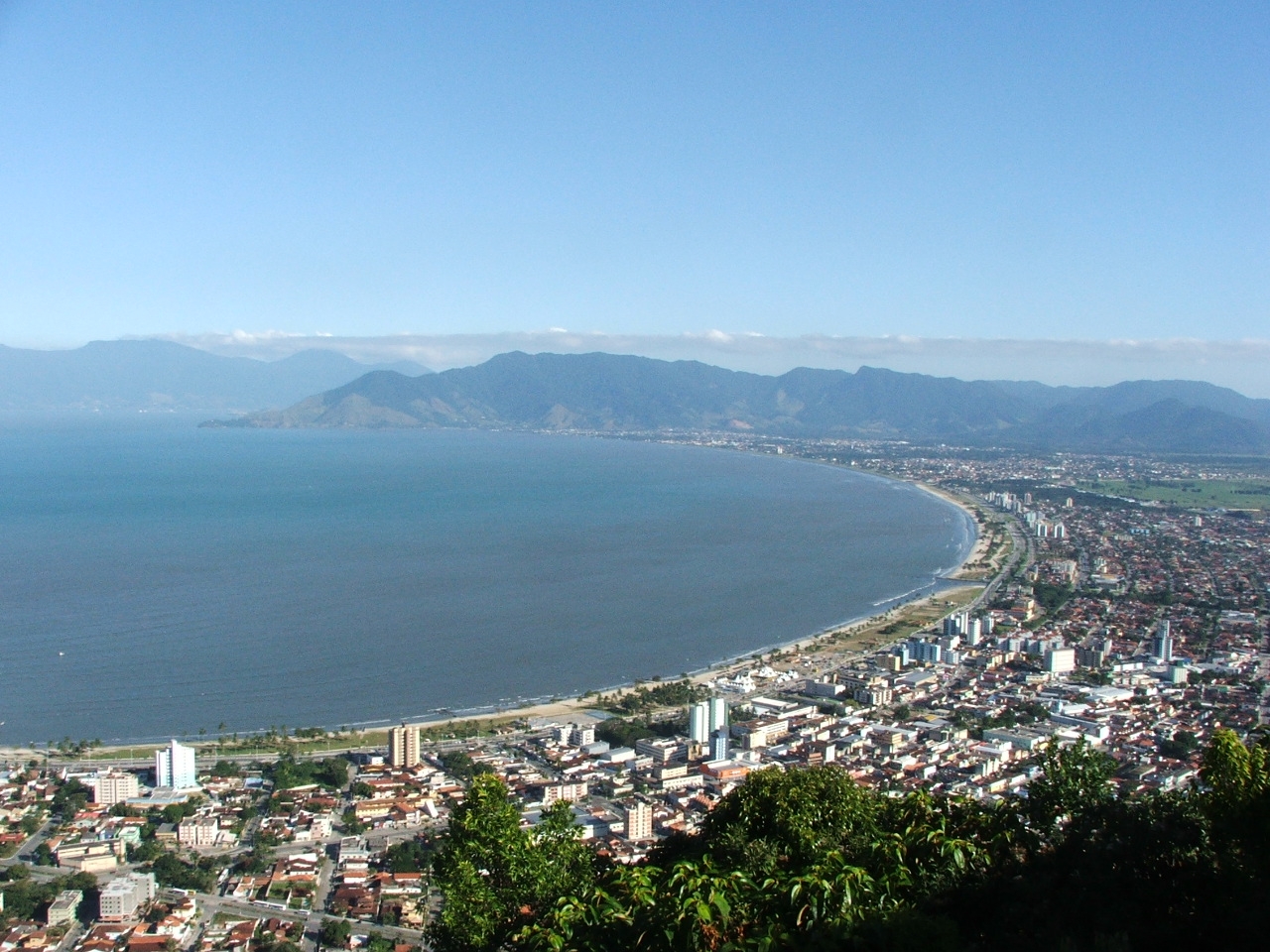
Caraguatatuba is a beach town in the Brazilian state of São Paulo. It is often referred to as simply Caraguá.
Caraguatatuba旅遊指南
城市概覽
The city's name comes from the Tupi language and refers to the abundance of caraguatá, a spiny bromeliad native to the area. Caraguatatuba is the largest city on the São Paulo north shore and is a jetsetter of high society of São Paulo — in the summer the city becomes one of the biggest hotspots in the country with more than 1.5 million tourists. The urban area and farmlands are within the coastline and valley areas, while the majority of its northern bounds are heavily forested and few roads reach the area.
如何抵達
By bus From São Paulo on Litorânea bus company, departing from Tietê Bus Terminal. R$34.60, 3 hours. From São José dos Campos on Litorânea from the main bus terminal. R$19.30. Hourly departures. From Ubatuba and São Sebastião on Litorãnea or Praiamar bus lines, from the main bus terminal or any bus stop along the way.
By car Tamoios Highway (Rodovia dos Tamoios) - Connects to São José dos Campos to the north. BR-101 passes through town, connecting it to Ubatuba and São Sebastião.
必看景點
Dr. Candido Motta Square The Praça Dr. Candido Motta is the site of several historical monuments, big and small, which are protected by municipal law.
Imperial Palms. In 1941, with the completion of construction of the primary school, at the request of then-Mayor Braulio Pereira Barreto, two Imperial Palms were planted in the grounds of the former School Group, whose building today houses the Pólo Cultural Adaly Coelho Passos. There are only one palm tree hw, which measures more than 20 meters high, and is appreciated by the passerby. The other, located on the street corner with Paul Harris street, fell in March 2010, due to strong winds on two consecutive days, which according to official sources, reached 120 km/h. Church of St. Anthony. Began as a chapel in the 17th century. Since then, it has been elevated to the category of parish church and has been continually upgraded. Obelisk - Tap. This obelisk commemorates the start of a new phase of sanitation in Caraguatatuba, with distribution of piped water, though untreated, which was inaugurated by the President of the State of São Paulo, Altino Arantes, in 1919. 1st Centennial Monument - Sundial. The monument was part of the celebrations of the first centenary of the city. Commissioned to engineer Accacio Villalva, in 1957. It's another obelisk, with a needle-shaped base, measuring three meters high, fitted with a sundial. Bandstand. The first bandstand was built in the 1930s by Dona Belmira Nepomuceno. The small square needed a space for presentations of popular festivities. In 1971, the management of the then Mayor Silvio Luiz dos Santos, the old bandstand was demolished and replaced by a new one. In 2005 it was again renovated, gaining a new look. Every reform aimed to preserve one of the most important historical sites of the city that for decades has been the meeting place of the community, where there are many cultural events such as the presentation of the Municipal Band Carlos Gomes. Musical Lu
體驗活動
Events Caraguá a Gosto. Mullet Festival (Festa da Tainha). Early July. No, not that kind of mullet - this food festival celebrates the flavors of the fish known as tainha, or in English, "mullet". Shrimp Festival (Festa do Camarão).
購物
Crafts Fair (Feira de Artesanato), Praça Diogenes Ribeiro de Lima.
美食
Bar do Japa, Rua Antonio Roberto de Almeida n85 - Prainha. Parodi Pizza Bar, Rua Antônio Roberto de Almeida 484 - Prainha. Pizza from a wood-burning oven and Brazilian pop music.
住宿
Hotel Areia Branca, Av. Dr. Arthur Costa Filho, 615 - Centro, ☏ +55 12 3882-2133, fax: +55 12 3882-1712. CaraSol Hotel, Av. Ipiranga, 151 (Martim de Sá beach), ☏ +55 12 3882-6008. 1 Hotel Pousada Vivendas do Sol e Mar, Rua Thomaz Totti, 95, ☏ +55 12 3884-2998, [email protected]. Hotel Vitória Caraguá, Av. Presidente Castelo Branco, 129 - Centro, ☏ +55 12 3882-5559, [email protected].
順遊推薦
Hostels and private rooms are offered:
in the south and west: São Sebastião – 30 km. The beaches of São Sebastião are a mixture of rustic paradisiac nature with first class night life. Contains one of the most famous beaches of the São Paulo coast, Maresias. Ilhabela – 35 km. It is an archipelago with various savage beaches and ecotourism options. Camburi and Boicucanga – 70 km. It is considered by Paulistas as one of the best beaches on their coastline. There are also quite a few small restaurants and bars along the road going through Camburi. Camburizinho beach is right next door. Bertioga – 120 km. A laid-back sea-side town with excellent beaches. It's one of the safest towns of the São Paulo coast. From there to Guarujá, Santos or São Paulo.
in the north(-east): Ubatuba – 50km. Beautiful beaches are the main attraction of this place, as well as its well-preserved nature. You can do mountain biking and trekking. One of the best places in Brazil to practice surf, nautical sports, diving and birdwatching. Paraty – 120 km. A fully-conserved 18th-century colonial town by the ocean, hidden by tall jungle-covered mountains which used to be a hideout for pirates after the Portuguese ships; a must-see for people interested in history and culture; also good for rainforest hiking and kayaking.
城市概覽改寫自 Wikipedia,旅遊指南來自Wikivoyage (CC BY-SA)。照片來自 Wikimedia Commons.