
Blue Mountains National Park
Australia · Oceania
關於Blue Mountains National Park
The Blue Mountains National Park is a large, world Heritage-listed national park occupying much of the Blue Mountains region of New South Wales. The park has many cliffs, plateaus, valleys, waterfalls and something a trip to Sydney is never complete without. Blue Mountains National Park is also New South Wales' most visited national park receiving over 8 million visitors in 2018.
Blue Mountains National Park旅遊指南
城市概覽
History
Landscape
Flora and fauna
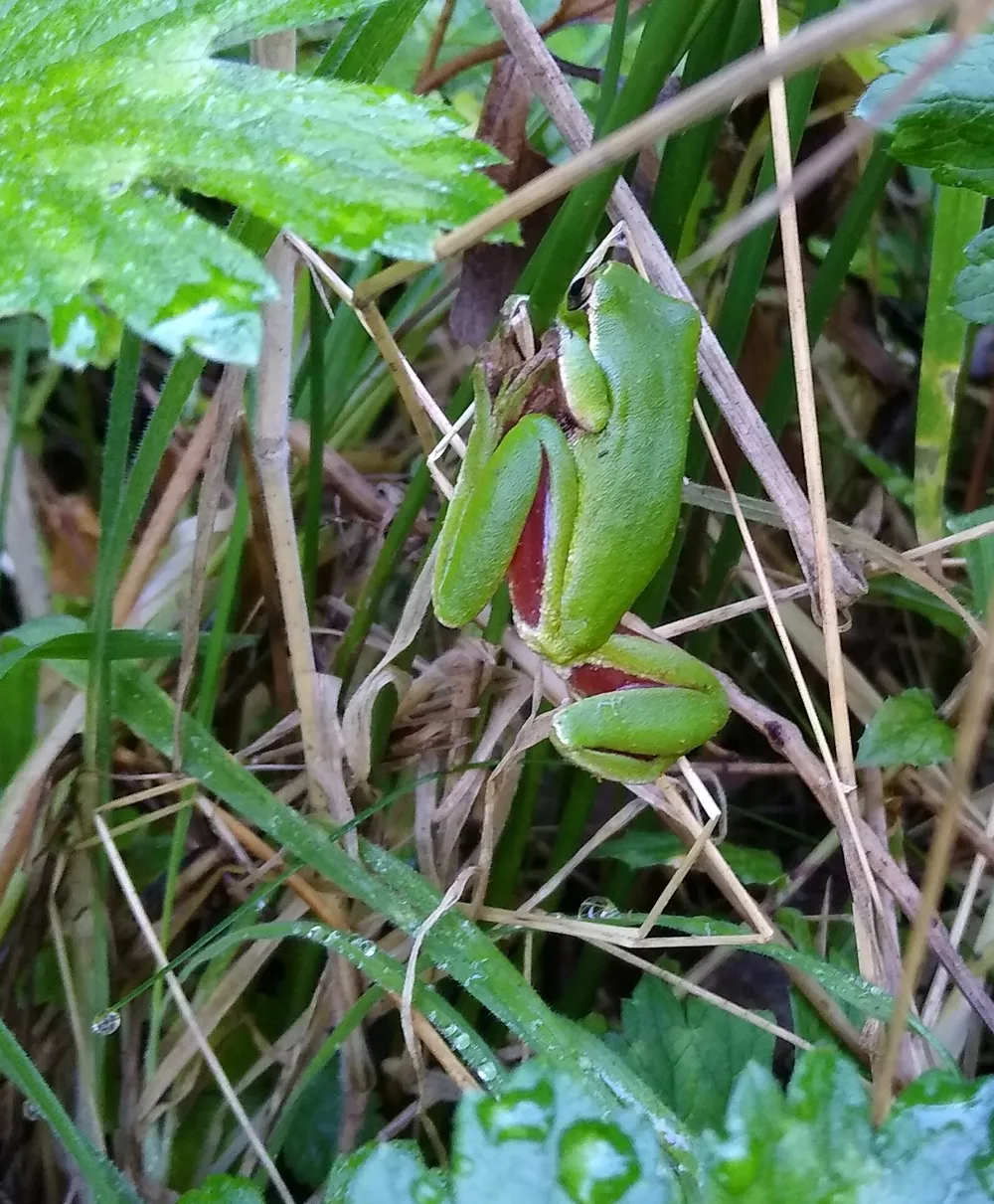
The park is home to many kangaroos and other wildlife. When walking in the bush, especially in the summer, be aware of snakes. In the open forests, the Australian echidna is relatively common. Presumably some koalas, which were still common in this area around 1900s, are still in the park. Species that are nocturnal and therefore difficult to observe include brushtail possum and various flying squirrel possums unless you choose to camp. The denser forests are also inhabited by bandicoots, broad-legged bag mice, swamp wallabies, and giant gliders. The largest marsupial predator is the giant quoll, which also inhabits dense forests. Especially in the more open areas, where grasses and woody coexist, there are nudibranch wombats, red-necked wallabies, mountain kangaroos and eastern grey kangaroos. The region's largest predator is the dingo, which is a feral dog. There are also foxes, cats, horses and cattle in the park, which are not native and were introduced by the British, and have a negative impact on the local wildlife.
Climate
Visitor information Park website 1 Echo Point Information Centre, Echo Point Rd, Katoomba, ☏ +61 1300 653 408. 9AM–4PM. Although it's 10 metres outside the park, this visitor centre has everything about the Echo Point and the surrounding Katoomba region of the park. (updated Jan 2022)
如何抵達
By car
Most roads are gravel roads, but are gazetted formed roads. Check your rental agreement if you are renting a car. There's a few ways to get into the key areas of the park...
Along Great Western Highway Glenbrook — Turn off left into Rose St to enter into Glenbrook. At the T intersection of Burfitt Parade, turn left and follow that street down into Bruce Rd. Follow that road down past the bridge over the railway. Park at the National Parks & Wildlife Office to get your pass. Katoomba — The easiest path to get to Echo Point: Once you enter into Katoomba from Parke St, turn left on the first roundabout, and then straight along the second. Turn right onto Lurline St, and follow that street until the end. You should get to the corner of Echo Point Rd and Cliff Dr. Blackheath — When you enter Blackheath, turn right onto Grovetts Leap Rd. The entry is the Blue Mountains Heritage Centre.
Along Bells of Line Road Lower Grose Valley (Vale of Avoca Lookout) — After driving into Kurrajong, turn left onto Old Bells of Line/Grose Vale Road. Follow it until you turn right on Cabbage Tree Rd, and drive until you reach the end carpark. The road is mostly sealed until you enter the park, where it comes unsealed. Mount Wilson — Turn right into Mount Wilson Rd.
By bus Some buses run to Katoomba close to Echo Point. See the Katoomba article for information. Other buses also run to Blackheath, although this is not that common.
當地交通
The Main Western Line has frequent trains that run from Penrith to Lithgow and Bathurst, with stops at various towns in the Blue Mountains. Bushwalking tracks are within short walking distance from the Katoomba, Leura, Blackheath, Lithgow, Wentworth Falls, Woodford, Glenbrook, and other train stops along the Main Western Line.
必看景點
When bushwalking, try not to miss the beautiful flora (plants) and fauna (animals). You will find a lovely and colourful range of flowers. If you ever come across animals, you should never do anything to hurt them, as they will not like to be disturbed. Another thing to consider when going bushwalking is that you make sure you don't step on any animals' homes and you should never make new trails and cause erosion.
Lookouts 1 Echo Point (Echo Point lookout), Echo Point Rd, Katoomba. Unless you have come to this park several times before, a trip to Blue Mountains National Park is never complete without viewing the spectacular views of the Three Sisters rock formation from this lookout. There are a lot of tourists, although the platforms are well structured to give you a great view. There are numerous walking trails from here, include a 30-minute walk to the Three Sisters themselves. Signs can be mixed: either only in English, or sometimes also in Chinese. Free, although parking at $5 an hour. (updated Jan 2022) 2 Sublime Point lookout, Sublime Point Walking Track, Leura, ☏ +61 2 4780 5000. (updated Jan 2022) 3 Govetts Leap lookout, Cliff Top Track, Blackheath, ☏ +61 2 4787 8877. (updated Jan 2022)
4 Evans lookout, Evans Lookout Rd, Blackheath, ☏ +61 2 4787 8877. Overlooking the sandstone cliffs of Grose Valley, Evans lookout is just one example as to why the views of the Blue Mountains can never get boring. The lookout includes a carpark nearby, along with some toilets. The lookout also has trails to the nearby Govetts Leap lookout as well as the Grand Canyon. (updated Jan 2022) 5 Pulpit Rock lookout, Pulpit Rock Track, Blackheath, ☏ +61 2 4787 8877. (updated Jan 2022) 6 Nepean lookout, Nepean Lookout Trail, Glenbrook Area, ☏ +61 2 4588 2400. 8:30AM–7PM (daylight saving time), 8:30AM–6PM (at other times). Most people think of the Blue Mountains being confined to the Upper Blue Mountains areas with plateaus, cliffs, valleys and waterfalls. What's not known about
體驗活動
The Blue Mountains National Park has many interesting things to do.
Bushwalking
This is a very popular pastime in the Blue Mountains and there are a number of well-maintained trails that will offer you the opportunity to go down into the valley floor, viewing the changing vegetation as you descend. Lyrebirds can be found in the undergrowth in the valley. They imitate the sounds of other birds, so you will probably need to keep your eyes open for them but they are quite a find for any bushwalker to come across. With many things to do, and many places to explore, why wouldn't you try it some time.
Sightseeing There are a number of amazing sites to see just from the main highway and major roads. The Three Sisters is one famous site that every visitor to the Blue Mountains must stop and see. There are fabulous views from many vantage points and it is evident on a clear day why the mountains are called "blue", as the Eucalyptus shimmer in the distance, creating a hazy blue as far as the eye can see.
The Zig-Zag Railway
At Lithgow, you will come across the famous Zig-Zag Railway. This train is a switchback form that was built in the 19th century as a tourist attraction. At the time it was built, it was a major engineering feat.
購物
The only sort of shop is at the discovery centre (see #See) or at Echo Point Visitor Centre. However, there are plenty of shops in the towns that make up the Blue Mountains.
住宿
In addition to staying in the Blue Mountains National Park itself, many visitors stay in the various towns dotted along the Great Western Highway, particularly in Katoomba.
Lodging
Camping There are many camping areas in the national park, managed by several different National Parks and Wildlife administration centres.
1 Acacia Flat campground, Junction Rock to Blue Gum Walking Track (must be able to walk
城市概覽改寫自 Wikipedia,旅遊指南來自Wikivoyage (CC BY-SA)。照片來自 Wikimedia Commons.