
Barra Mansa
Brazil · Americas
關於Barra Mansa
Barra Mansa is a city of 185,000 people (2020) in the Valley Region of the state of Rio de Janeiro.
Barra Mansa旅遊指南
城市概覽
Climate The rainy season is between October and April, with December to March being the wettest period, and May to September being the driest.
如何抵達
The Comendador Geraldo Osório Bus Station, at Avenida Joaquim Leite, 117 in the city center, offers several options to the traveler who wants to come and go to this city in the interior of the state of Rio de Janeiro.
Vitória: Viação Kaissara is the operator of the line to the capital of Espírito Santo. Cascavel: with lines operated by Viação Pluma. Rio de Janeiro: Viação Pluma operates the line to Rodoviária Novo Rio on Rua Francisco Bicalho in the capital of Rio de Janeiro. Campo Grande has a bus from Viação Cidade do Aço to the Campo Grande Bus Terminal in the West Zone of Rio de Janeiro.
當地交通
The city's urban bus lines are operated by the Consórcio Barra Mansa/TransBM, which is composed of the companies Colitur and Triecon:
Colitur operates in the region to the right of the Presidente Dutra Highway, and also on the left bank of the Paraíba do Sul River. Triecon operates in the region between the Paraíba do Sul River and the Presidente Dutra Highway, and also on the left bank of the Paraíba do Sul River.
必看景點
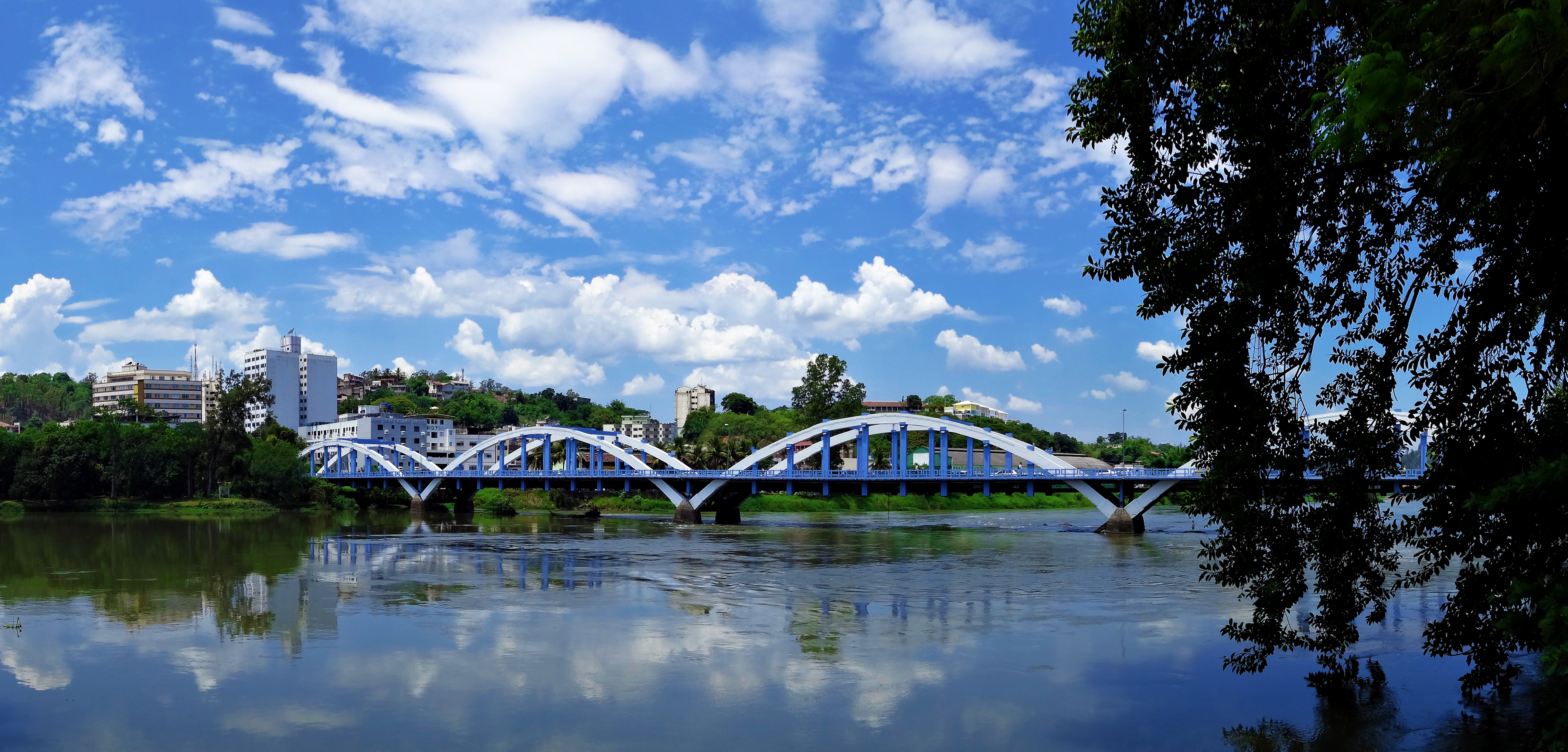
1 Ponte dos Arcos (Bridge of Arches), Rua Antônio Graciano da Rocha, 1219 - Vila Maria, 27313-280. The Barão de Guapi Palace is the headquarters of the Municipal Library and its garden became the Centenary Park, also known as Jardim das Preguiças due to the abundance of the mammal known as the sloth in its trees. Parque Centenário, or Jardim das Preguiças as it is known due to the abundance of sloths in its trees, is in the center of the city. It is the largest urban park in the municipality. Fazenda Bocaina, on Estrada Barra Mansa/Bananal, has rural architecture from the 19th century. It is in very good condition and has an access gate to the garden, whose locksmith work deserves special attention. Santo Antônio Farm, built in the early 19th century, has a floor plan and facade that are very characteristic of coffee farms. Criciúma Farm was built in 1872 by the coffee farmer and businessman, with commercial activities in France, Manoel Gomes de Carvalho (Baron of Rio Negro). Criciúma was one of the most important coffee producers in the region. Over the years, the historic building underwent minor modifications, maintaining some architectural lines reminiscent of the Rio Negro Palace in Petrópolis. Sant'Ana do Turvo Farm was built in 1826 by Joaquim Manuel de Carvalho (first Baron of Amparo). It was the largest coffee producer in the region, and was worked by 250 enslaved people. In good condition, it is one of the best examples of rural architecture from the 19th century, with 12 rooms, three lounges and other facilities. It is on the border with the district of Nossa Senhora do Amparo, which makes it considered part of that district. Fazenda Rochinha has been carefully restored to maintains the characteristics of the architecture of the end of the 18th century, when the so-called colonial style marked rural buildings. Since 1902, it stands out for the excellence of its artisanal cachaça, Rochinha, marketed throughout. São Lucas Brandão Farm belonged to Commande
購物
1 Figorelle Shopping, Avenida Joaquim Leite, 577 - Centro, ☏ +55 24 33284402. 08:00-22:00.
城市概覽改寫自 Wikipedia,旅遊指南來自Wikivoyage (CC BY-SA)。照片來自 Wikimedia Commons.