
Baja California Sur
Mexico · Americas
關於Baja California Sur
Baja California Sur (South Lower California) is the southern half of the Baja Peninsula. The state is known for its remote beaches, sport fishing, and breeding waters for whales and other marine mammals.
Baja California Sur旅遊指南
城市概覽
Baja California is one of the regions with the lowest rainfall in the world, so prehistoric settlement is concentrated in the vicinity of water holes along the coast. Even today, Baja California is sparsely populated, around ten people per square kilometer. Settlement is concentrated in the cities on the coast, of which Cabo San Lucas and San José del Cabo are among the fastest growing resorts in Mexico.
Climate The west side, facing the Pacific with its cool temperatures, is impressively more pleasant than the east side facing the Gulf of California. Here the water temperature is up to 26 °C and it gets very hot during the day. The east side should therefore not be visited until November.
如何抵達
Tourist Taxː As of January 2026, the state government of Baja California Sur imposes a tax of M$488 on all foreign travelers over age 12 who are staying in the state for more than 24 hours. The tax is referred to as "Embrace it". The tax can be paid by filling out a form available from the state government web site.
By plane La Paz International Airport (LAP IATA) Loreto International Airport (LTO IATA) Palo Verde Airport (SRL IATA) San Jose del Cabo International Airport (Aeropuerto Internacional de Los Cabos) (SJD IATA)
By boat Cruise ships frequently visit Los Cabos. Ferries cross the Sea of Cortez from ports in Sinaloa.
Baja Ferries, ☏ +52 612 123 6600, toll-free: +1-800-337-7437. Operates overnight ferries crossing the Sea of Cortez (Gulf of California) from Topolobampo and Mazatlan to La Paz on two separate routes. Ferries are large enough to transport multiple trucks, RVs and large vehicles. Sailings are generally overnight, departing at midnight. Check schedules and fares on the website. (updated May 2020)
當地交通
There is minimal public transportation in BCS and it is relatively complicated to use (e.g. Google Maps does not have the routes and schedules). Renting a car or using a car service is relatively convenient. Regional bus service between cities is good and is primarily provided by two companies: ABC or Aguila.
Rental Cars To rent a car, make a reservation (ideally prepaid) before arrival. After you have your bags, exit the airport building entirely – without talking to the salespeople inside the terminal who will swear they can call your car rental agency for you, but are actually trying to upsell you on tourism packages – and cross the street to the first median where the taxis line up. There you will see a variety of people with car rental agency shirts (Hertz, Avis, etc.). These representatives will have your name on a clipboard and can get you to the car rental agency quickly and at no cost. Once at your car rental agency's building (there is a different building for each company but they are all on the same street) you will have to go through a long check-in process and will be asked to prepay for insurance, gas, tours, etc. You can decline everything except for third party liability insurance which is mandatory in Mexico. Since this is mandatory, it may be worthwhile to book a car that has it included rather than added on after you are already captive to that rental company. Though the company will try to sell other insurance to you, your credit card (e.g. premium cards for U.S. customers) may already include a collision damage waiver or other insurance packages at no cost. There are a few tolls you may cross in BCS. Google Maps will warn you of them and they can be avoided by selecting the "avoid tolls" option in your navigation settings. Be sure to have some cash with you (e.g. 100 MXN) to pay the toll.
Car services Uber is widely available in Cabo San Lucas and at the airport. For other destinations, it may be preferable to get an airport transfer from
必看景點
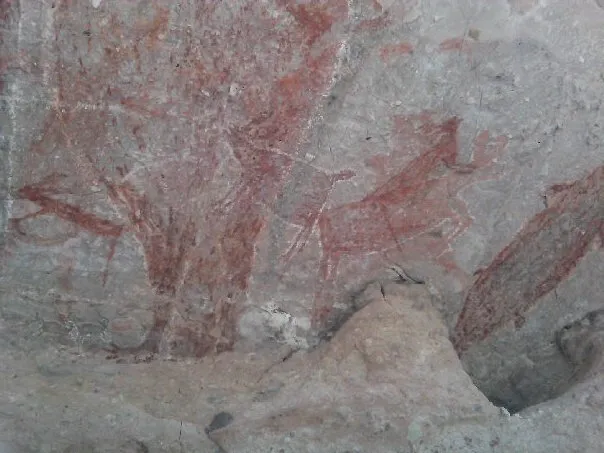
Some of the main attractions in this state are the beaches, whale sightings, observations of dolphins, sea lions and other marine species. The rock paintings of the Sierra de San Francisco are cave paintings and petroglyphs that form a set of pre-Columbian murals representative of the "Great Mural" style that flourished in the center of the Baja California peninsula. The cave paintings have been a World Heritage Site since 1993. The paintings are found in different parts of the Sierra de San Francisco, within the El Vizcaíno Biosphere Reserve.
體驗活動
Whale watching is a popular activity. The waters off Baja California are home to several species of great whales including Blue, Fin, Bryde's, Humpback, Orca, Sperm, and many others. This is perhaps the richest area in the world for whale and dolphin diversity. The Baja Whale Trail is an itinerary to some of Baja's most interesting whale habitats. Diving and snorkeling is excellent because of the fantastic diversity of marine life. The convergence of tropical influences from the south and temperate conditions from the north bring together an amazing array of species. Local dive shops and charters are available. Kayaking tours of the wilderness islands in the Loreto Marine National Park provide access to prime whale watching and snorkeling. Off-road driving is great fun for the motorsports adventurer. There are spectacular natural attractions including mountainous parks, sand dunes, and hot water springs that are almost impossible to reach without a 4WD vehicle. Baja is a classic off-roading destination. There are opportunities for surfing on many of the beaches on the Pacific coast, with the appropriate infrastructure such as surf schools and equipment rental. This region has long been regarded as one of the best places for fishing. Marlin, sailfish, tuna, yellowtail, wahoo, roosterfish, and dorado are abundant in the blue waters surrounding the peninsula. The Cabo San Lucas Flora and Fauna Protection Area is a protected area that is part of the UNESCO Natural Heritage that belongs to the group of islands and protected natural areas of the Gulf of California. The Arch of Cabo San Lucas and Cerro El Vigía are in this protected area. Bahía de Loreto National Park is a protected natural area that is located in the Bay of Loreto to the south of the city of Loreto where you can see dolphins, sea lions and manta rays. Cabo Pulmo National Park is a great place for diving, sport fishing, boating, rowing and kayaking. It is 63 km west of San José del Cabo. El Vizcaíno Bios
美食
Food in Baja California Sur is much like it is in northern Baja with a very loud emphasis on fish tacos. Fish tacos are sublime and a perfect complement to a sunny day on the beach. Although you find fish tacos everywhere around Los Cabos, La Paz and the small towns that dot the shores of the Pacific Ocean and the Sea of Cortez, the dish most probably originated in the north. Ensenada lays claim to inventing the fish taco, but so does the smaller town of San Felipe. More important though is how the taco is made. Most restaurants cut boneless filets into small chunks, dip them in batter, and fry them hot and fast, wrap it in a warm corn tortilla and top it with cabbage or slaw and add a sauce (often a c
城市概覽改寫自 Wikipedia,旅遊指南來自Wikivoyage (CC BY-SA)。照片來自 Wikimedia Commons.