
Salimgarh Fort
India · Asia
關於
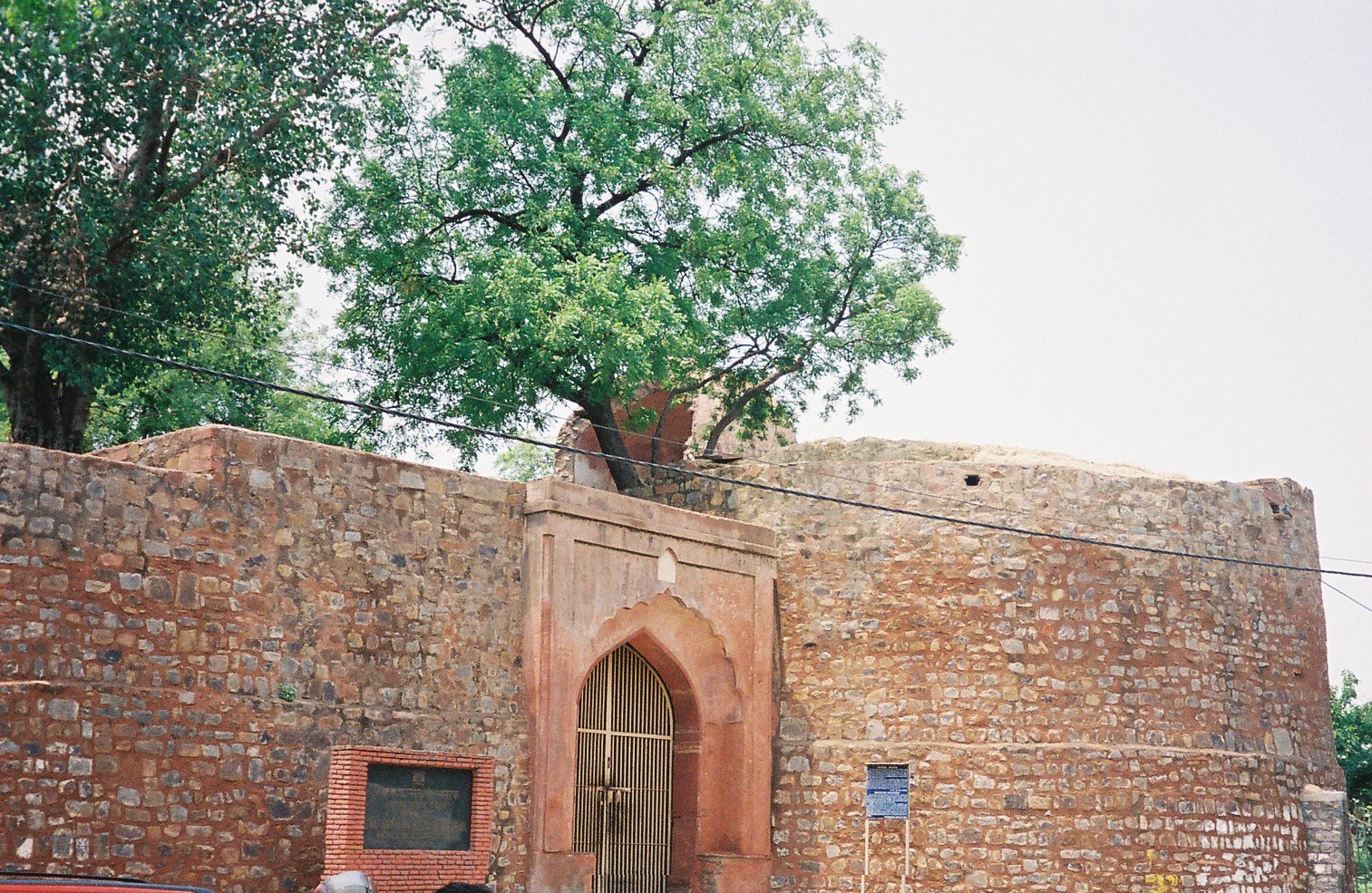
Salimgarh Fort (also known as Salim's Fort) was built in 1546 CE in Old Delhi, on what was then an island of the Yamuna River, by Salim Shah Suri, the son of Sher Shah Suri. The fort was constructed during a period when the Mughal Empire had been temporarily overthrown; in 1540 CE, Sher Shah Suri had defeated the Mughal emperor Humayun and established the rule of the Sur Empire rule in Delhi. The Surid dynasty continued until 1555 CE, when Humayun regained control by defeating Sikandar Suri, the last ruler of the dynasty.
During the Mughal period, particularly in later years, Salimgarh Fort continued to be of strategic significance. While constructing the Red Fort and the city of Shahjahanbad, several Mughal rulers, including Emperor Shah Jahan—who completed Shahjahanabad in 1639 CE—are believed to have camped at the fort. It is also said that Humayun camped there for three days before launching his successful campaign to recapture Delhi.
The Mughal emperor Aurangzeb later converted the fort into a prison, a practice that was continued by the British after they took control of the fort in 1857. Salimgarh Fort is now part of the Red Fort Complex. The complex was declared a UNESCO World Heritage Site in 2007, obligating the Archaeological Survey of India (ASI) to undertake well-planned conservation measures for its preservation.
內容改寫自 Wikipedia (CC BY-SA)。照片來自 Wikimedia Commons.