
castle of Meung-sur-Loire
France · Europe
關於
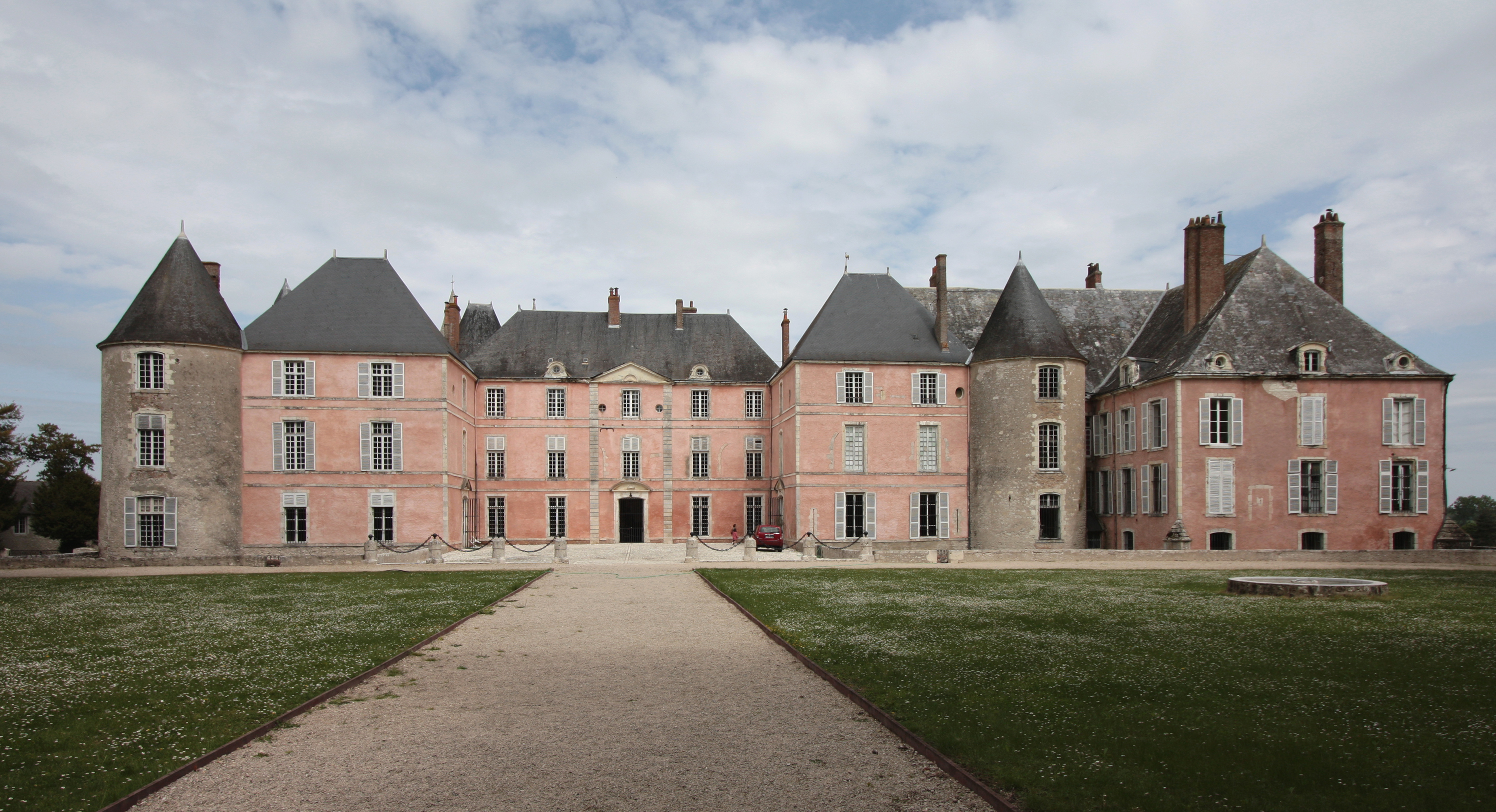
The Château de Meung-sur-Loire is a former castle and episcopal palace in the commune of Meung-sur-Loire in the Loiret département of France.
Built and remodelled between the 12th and 18th centuries, it served for most of its history as a residence of the bishops of Orléans. It is sometimes called the "château with two faces" because of the contrast between its medieval town-facing façade and its 18th-century classical garden façade.
The château, located next to the collegial church, was the country residence of the Bishops of Orléans. It was built and destroyed several times. The oldest still existing parts date from the 12th century and were built by Manassès de Seignelay (bishop from 1207 to 1221). Still standing is the main rectangular plan building, flanked by three towers, a fourth having been destroyed. The English occupied it during the Hundred Years' War. The rear façade was rebuilt in the Classical style by Fleuriau d'Armenonville (bishop from 1706 to 1733). Beneath the castle are dungeons, a chapel and various medieval torture instruments, including one used for water torture.
The château and its park have been protected as a monument historique since 1988, with a further classification in 2004, and the site lies within the Loire Valley cultural landscape inscribed on the UNESCO World Heritage List in 2000. It has been privately owned and open to the public since the second half of the 20th century.
內容改寫自 Wikipedia (CC BY-SA)。照片來自 Wikimedia Commons.